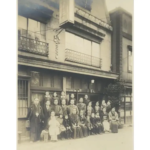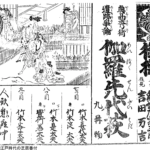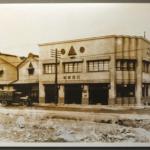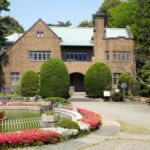


Founded in 1885 (Meiji 18)


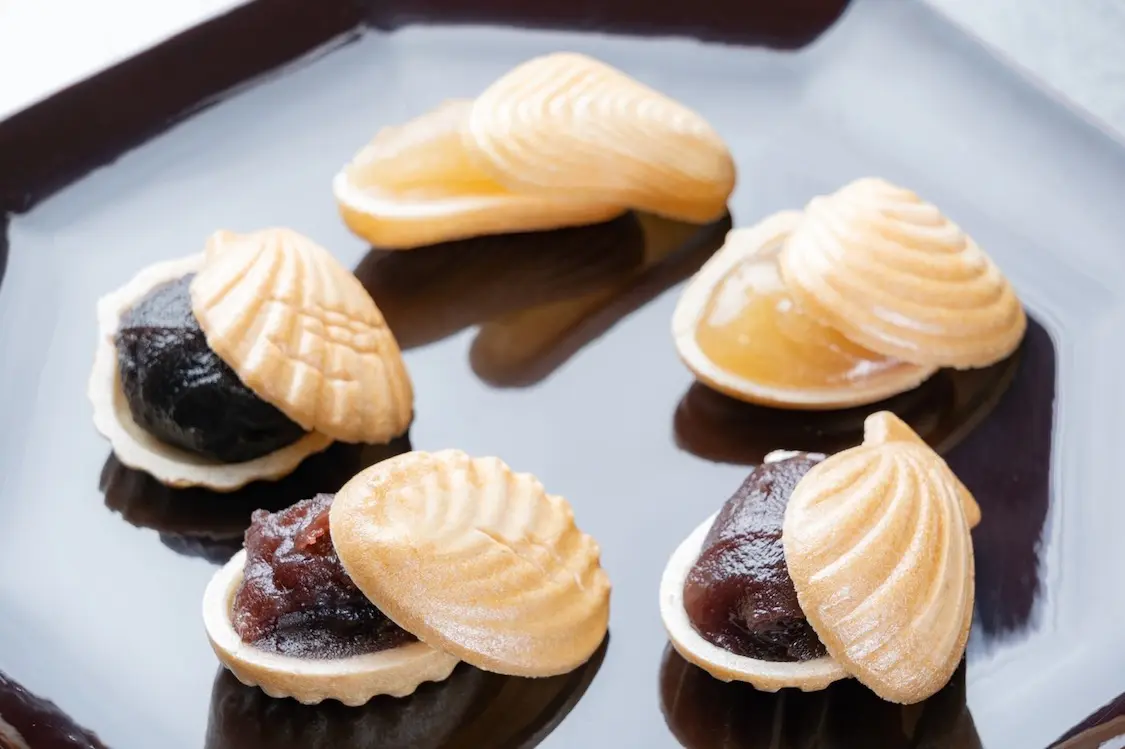
The specialty is “Enoshima Monaka,” loved and named by the famous writer Ozaki Koyo.
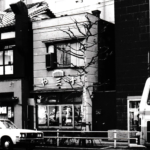
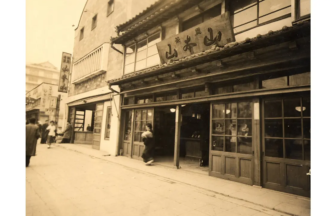
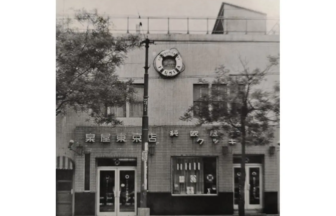
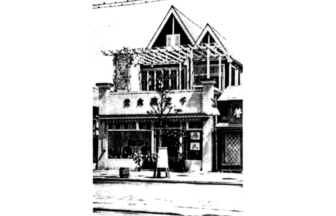
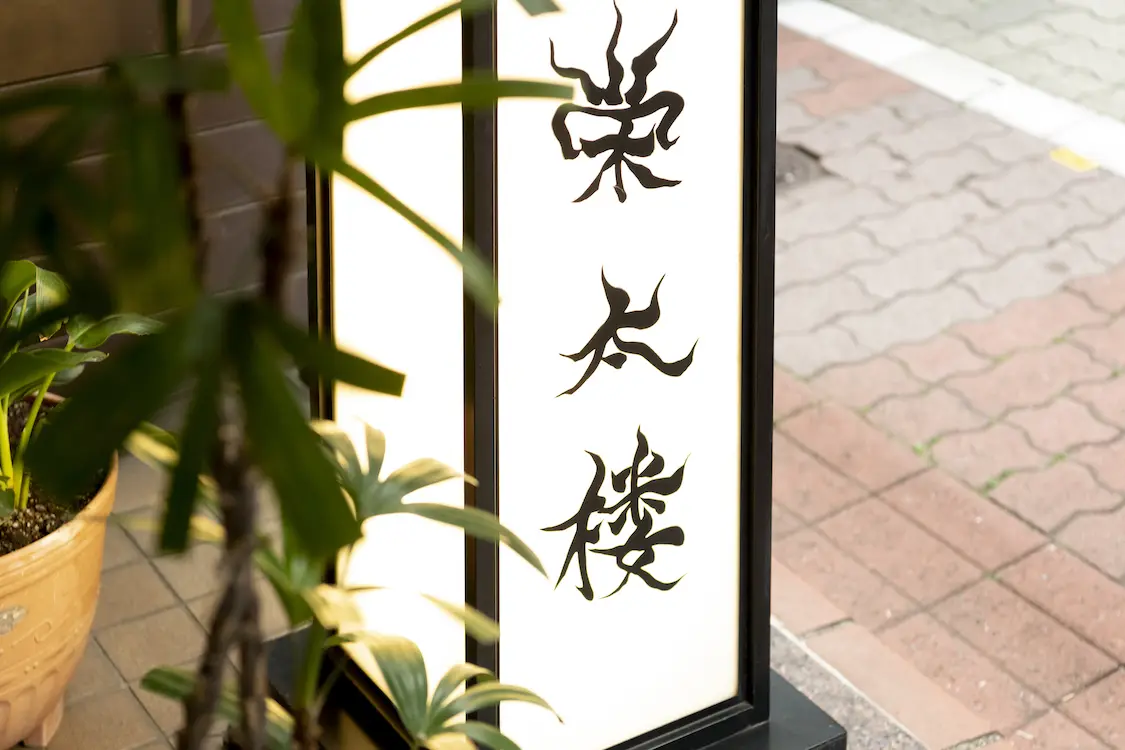
A Japanese sweets shop loved by many, from locals to tourists, located in Shiba Daimon. Many cultural figures visited, and it is said that the Meiji-era writer Ozaki Koyo visited frequently. The specialty “Enoshima Monaka” was named by Koyo, and the product’s lettering uses his handwriting. The shop sign was also created by the artist Taro Okamoto.
The current owner is committed to daily trial and error, from ingredients to proportions and methods, always seeking better taste. For example, the basic dorayaki recipe used a 1:1:1 ratio of eggs, sugar, and flour, but they adjusted it to feel lighter for today’s people. While preserving techniques inherited from previous generations, they continue to make sweets that everyone can enjoy, considering changing tastes over time.
In spring, sakura mochi; in summer, wakatake mizuyokan and shiratama zenzai; in autumn, kaki no ha mochi and chestnut steamed yokan; in winter, camellia mochi. The colorful sweets in the shop signal the arrival of each season.
History

In Meiji 18 (1885), the founder Chokichi Uchida trained at “Eitaro Sohonpo” in Nihonbashi, famous for Eitaro candies, and was allowed to open his own shop. To avoid taking customers from the main store, he deliberately chose Shiba, away from Nihonbashi. The shop logo adds the character “Shiba” to the Sohonpo mark, proving the founder’s training at the main store.
This Notable Item
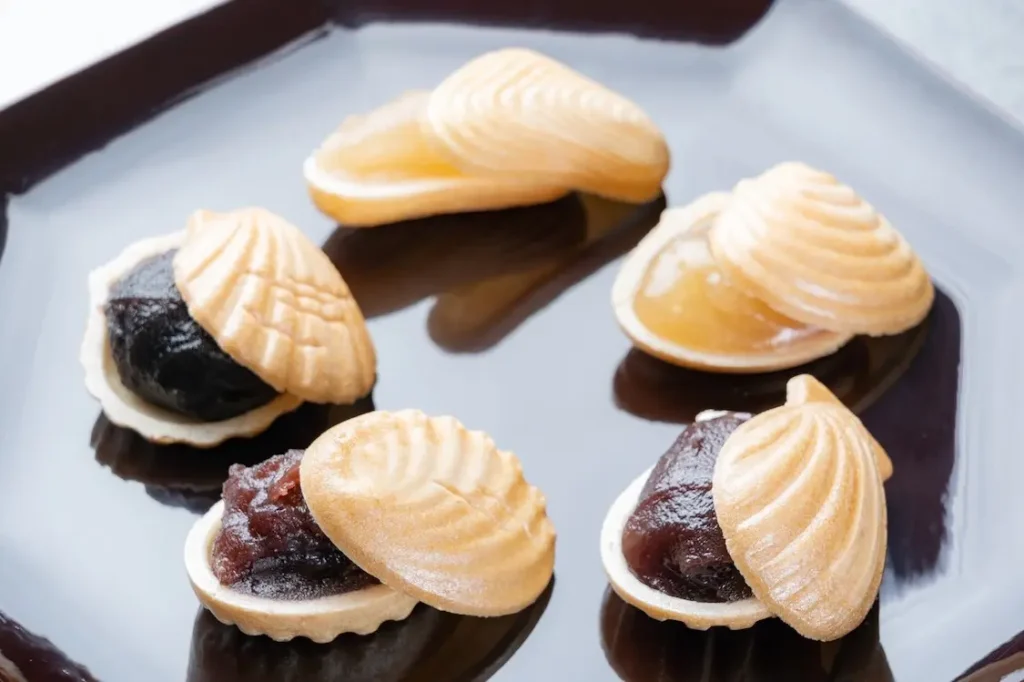
Enoshima Monaka
6 pieces 1,067 yen
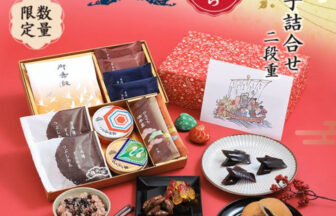
Born in Meiji 35 (1902), Enoshima Monaka is a bite-sized monaka with five shell-shaped wafers filled with five types of bean paste (red bean, white bean, sesame, smooth red bean, yuzu). The wafers use premium glutinous rice “Miyakogane,” and the bean paste uses carefully selected domestic ingredients.
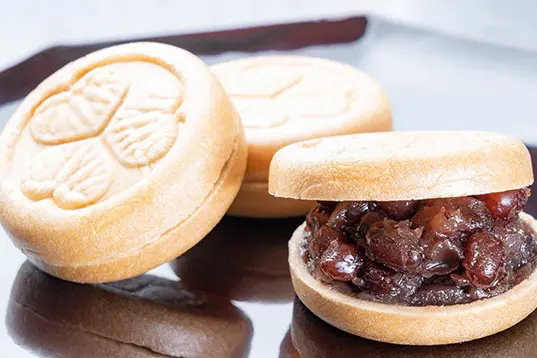
Aoi Tamazusa
6 pieces 1,977 yen
The bean paste uses only Tanba Dainagon from Kasuga Town, Tanba City, Hyogo, and the monaka is made from carefully selected ingredients. The surface is shaped with the Tokugawa family “Aoi” crest. “Tamazusa,” meaning “letter” or “love letter” in Manyoshu, is perfect as a gift for someone special.
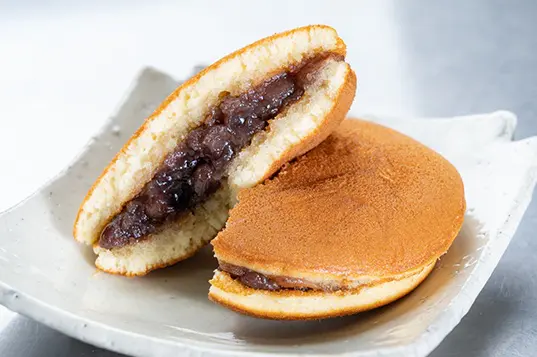
Dorayaki
6 pieces 2,117 yen
Dorayaki with large red beans from Hokkaido and soft wafers are a perfect match. Many repeat customers look forward to the seasonal changes in the baked stamps.
Spot Overview
| address (e.g. of house) | |
|---|---|
| phone | |
| Business Hours | |
| regular closing day | |
| Payment Method | |
| External Links |