

Founded in Meiji 22 (1889)
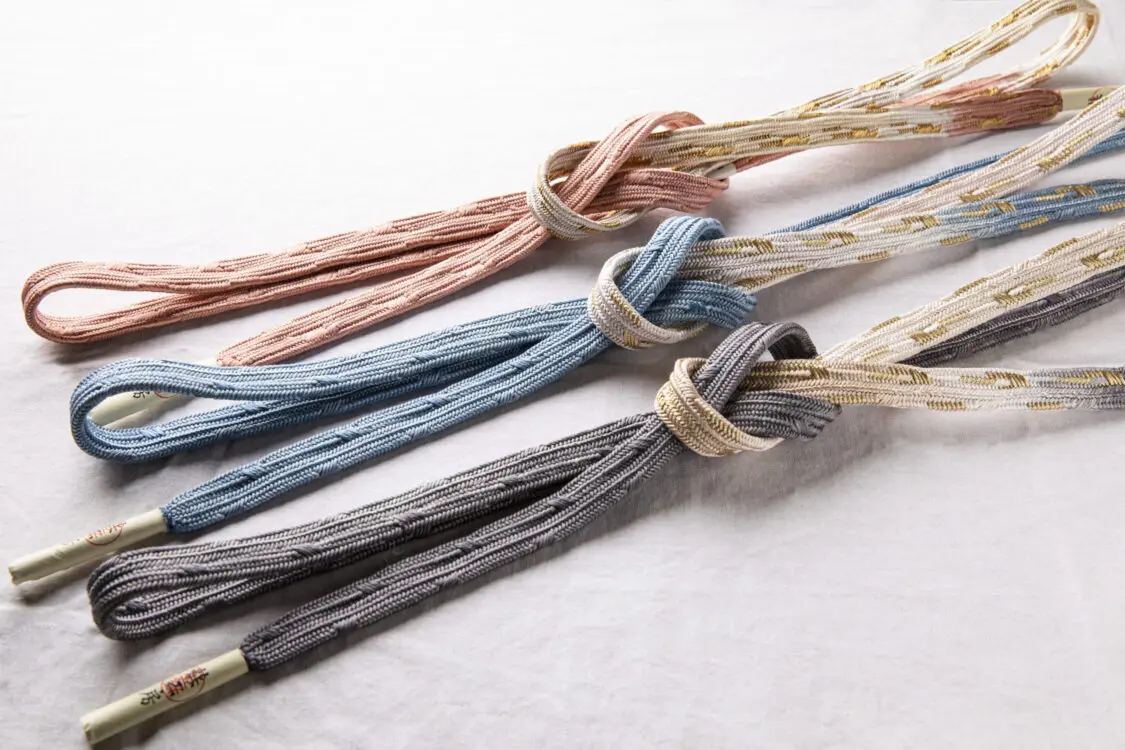
The evolving elegance of Edo. “Function and beauty” in the world of kumihimo.
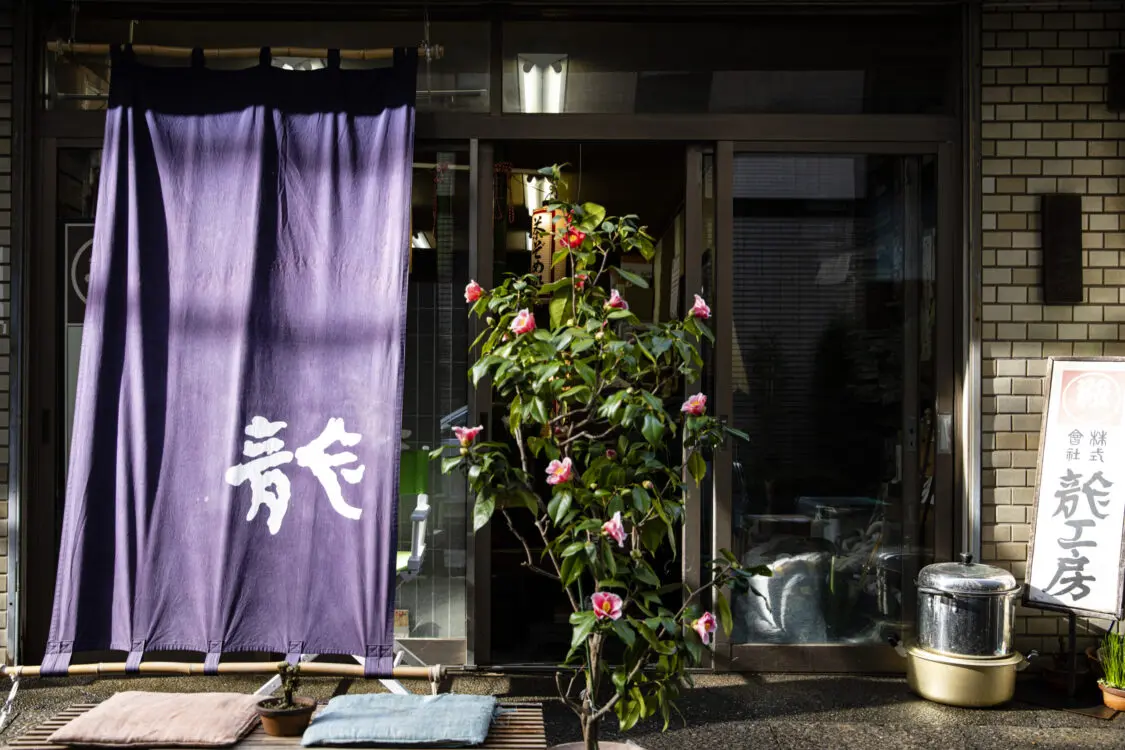
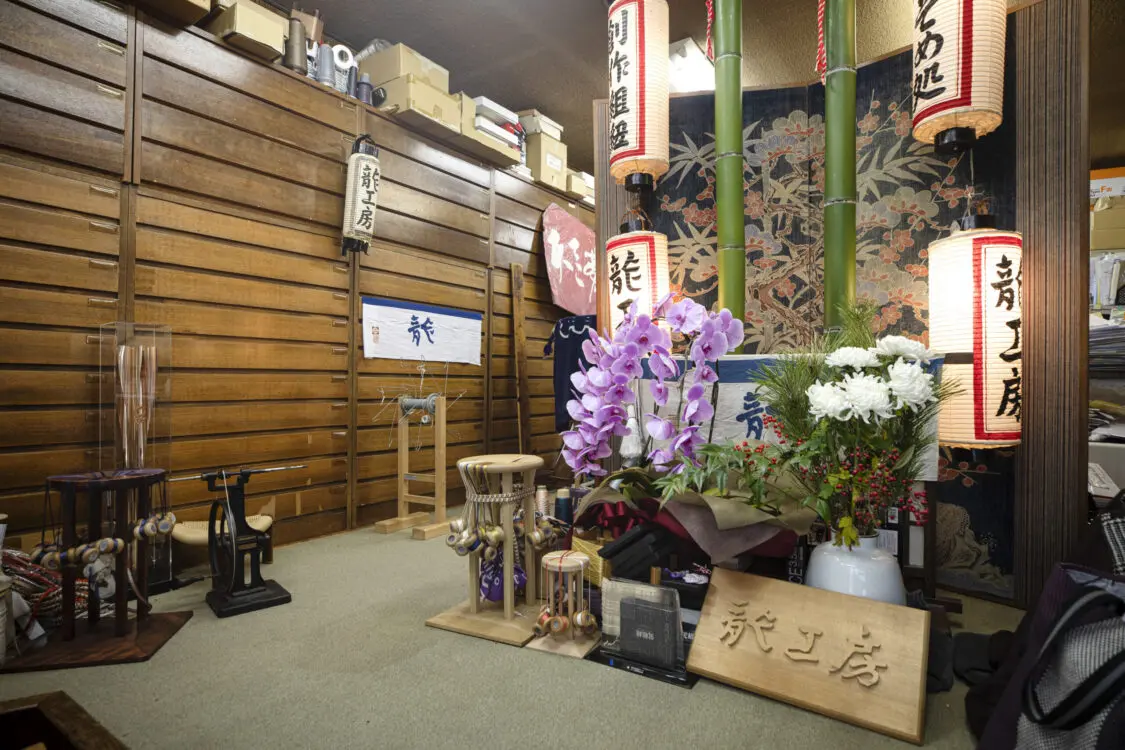
Ryu Kobo, one of Japan’s leading kumihimo studios, is a group of dozens of artisans and one of the few workshops that handles everything from dyeing silk threads for obijime to design and braiding.
Glossy silk threads dyed with natural pigments are hung in all directions on the braiding stand, gradually creating beautiful cords.The history of Japanese kumihimo dates back to the Asuka period, when it was introduced from the continent, and it has been used for garments and armor.
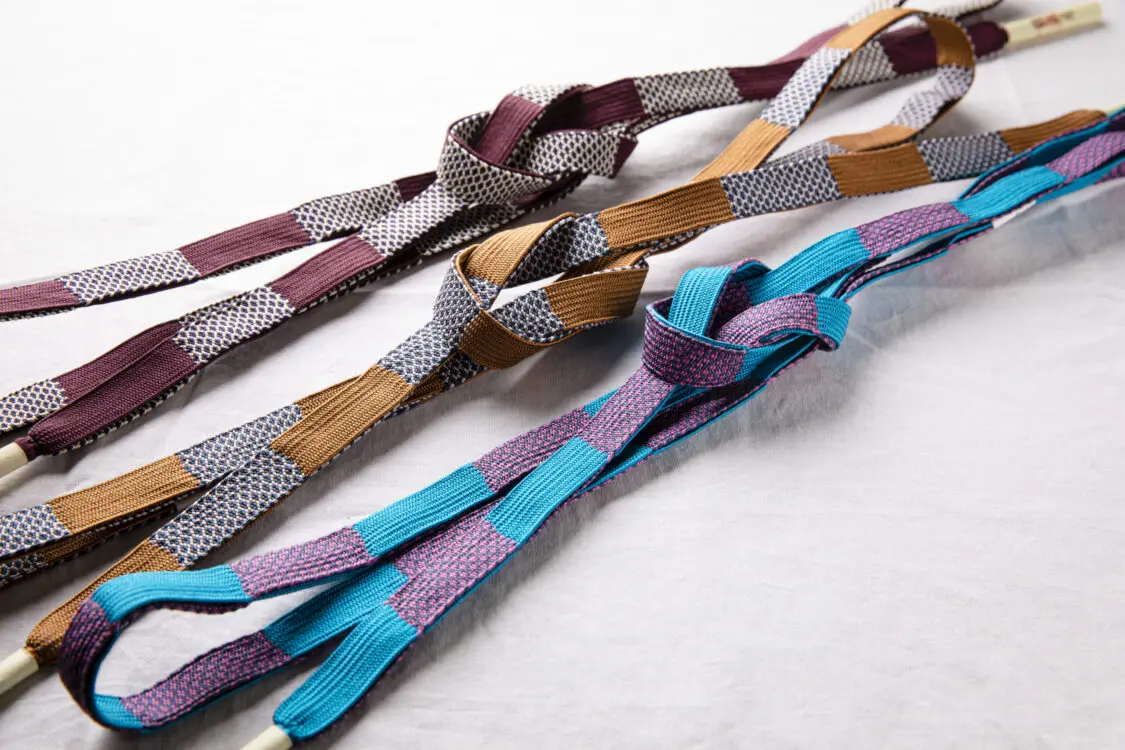
In recent years, the kumihimo we most often see in daily life is probably the obijime worn with kimono.The cord that runs neatly across the center of the obi is the obijime.Like a tie or pocket square with a suit, it sharpens the overall color scheme—truly a finishing touch that completes the look.Obijime is also very important for its function of keeping the obi from coming undone.For this reason, experienced kimono wearers pay close attention to obijime.The better the kumihimo, the more elastic it is, allowing the obi to be tied beautifully.Kumihimo is truly a rare craft in which function and beauty come together as one.
Ryu Kobo says that “materials account for 70 percent” of an obijime, and even though domestically produced raw silk now has a share of just 0.1 percent (according to the Ministry of Agriculture, Forestry and Fisheries, May 2023, “The State of the Silk Industry”), they remain committed to Japanese silk, dye it with plants, and finish it using more than 300 braiding techniques such as Yurugi-gumi, Ontake-gumi, and Sasanami-gumi.The delicate sheen varies by braiding method, and the dyed colors resonate in complex ways, making these obijime truly beautiful and enhancing any outfit.They are used as kimono accessories worn by members of the Imperial Household, who have deep ties to sericulture, and are also favored in the kabuki and tea ceremony worlds.
In addition to producing kumihimo, Ryu Kobo works energetically as a central presence in silk-related industries and culture, restoring historically valuable braids and promoting awareness to encourage the production of domestic cocoons and raw silk.In recent years, guided by the idea that “we braid everything except water and air,” they have also begun working with materials other than traditional raw silk.They are gaining attention and respect from renowned maisons around the world, and their work is increasingly seen in spatial designs such as hotel lobbies and luxury brand show windows.
History
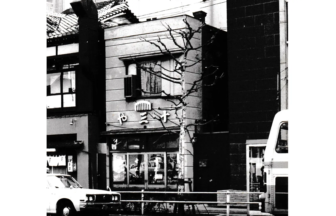
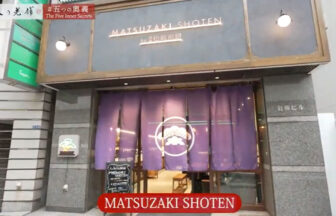
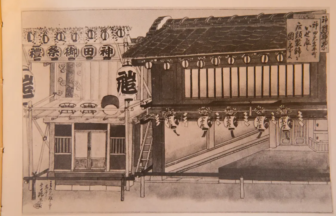
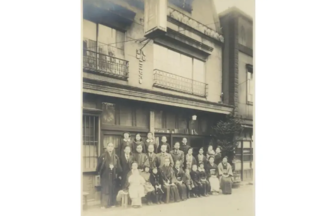
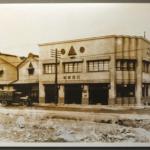
Founded in 1889 in Odawara, Kanagawa Prefecture.In 1963, Mannosuke Fukuda established Ryu Kobo in its current location in Nihonbashi Tomizawa-cho.They proposed the “Purely Domestic Silk” mark, carried out awareness activities to promote the production of Japanese cocoons and raw silk, and braided the medal ribbons for the Rugby World Cup 2019, continuing to share their work as one of Japan’s leading craft manufacturers.
The elegance of Edo continues to evolve.
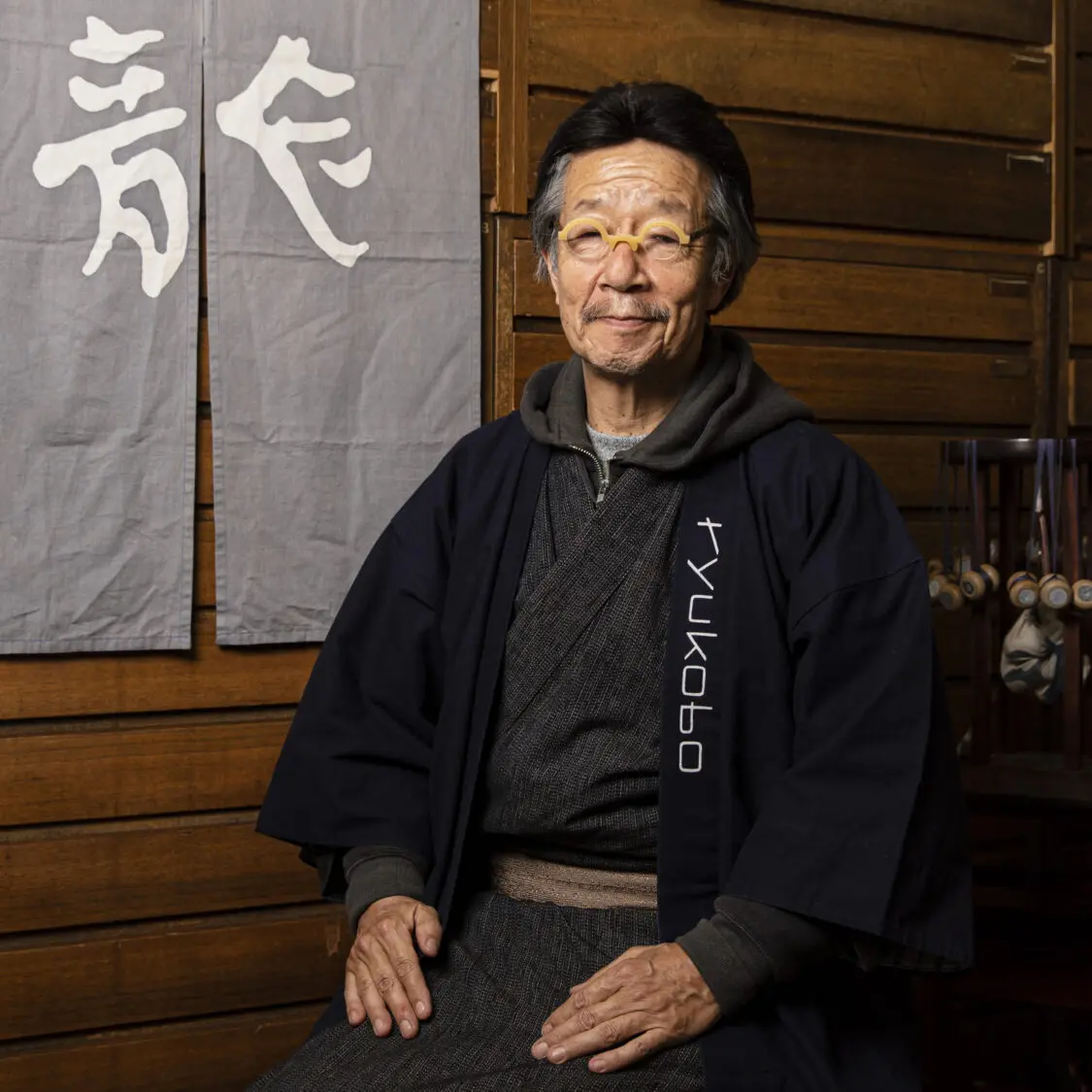
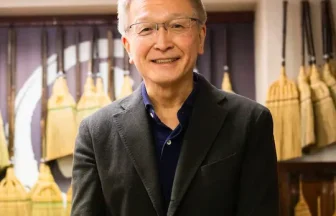
Takashi Fukuda
Fourth-generation head of Ryu Kobo
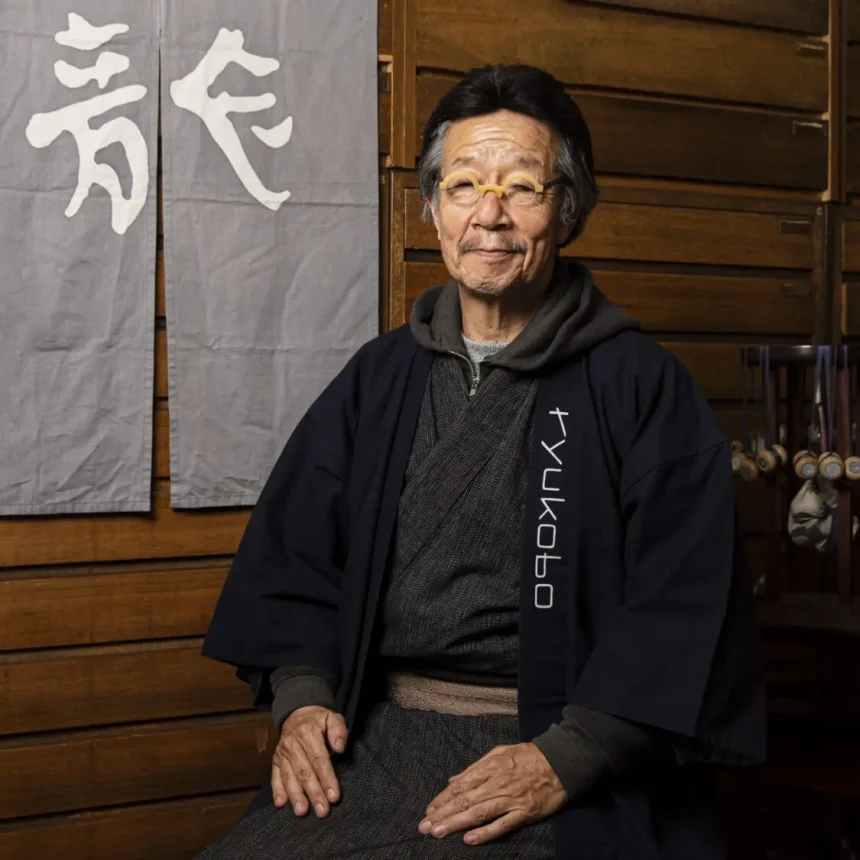
Cherishing the “respect for nature” expressed in the third generation’s words, “like picking flowers that bloom in the field,” he creates kimono accessories rooted in Edo aesthetics and committed to domestic silk and natural pigments.With the spirit of applying Edo elegance to the present day, he also braids new materials and collaborates with other industries, hoping to show the beautiful world of kumihimo to as many people as possible.
This Notable Item
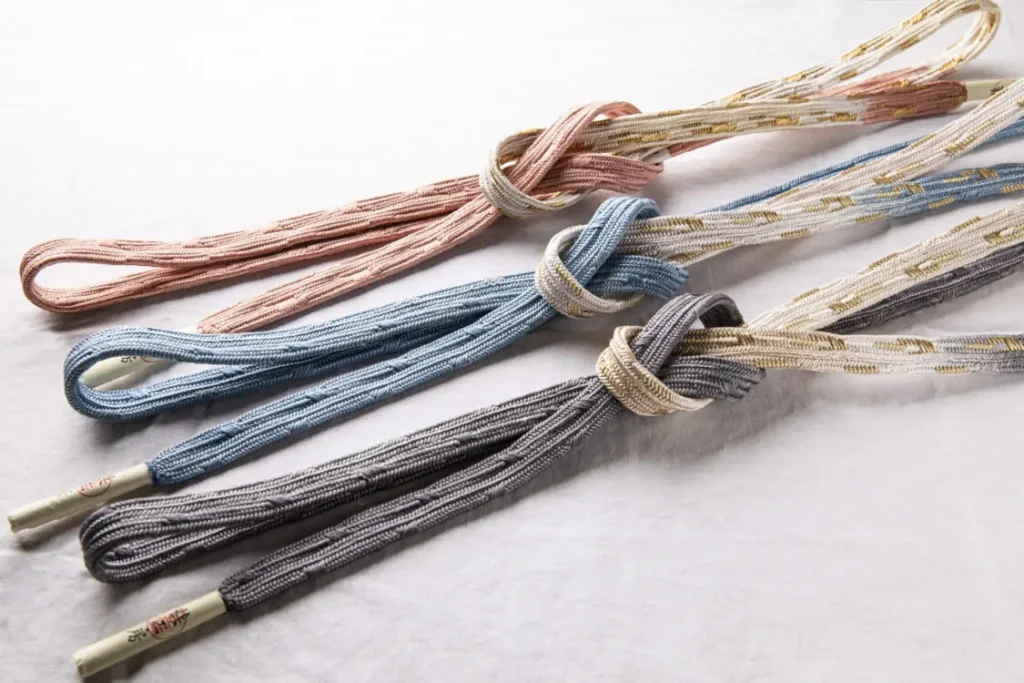
Kainokuchi Ukifune, graduated dyeing
Prices follow those of online shops and retail stores.
An obijime finished in the “Kainokuchi Ukifune” braiding style, featuring beautiful gradation and three-dimensional accents reminiscent of small boats floating on a river.This obijime is suitable even for festive and formal occasions.
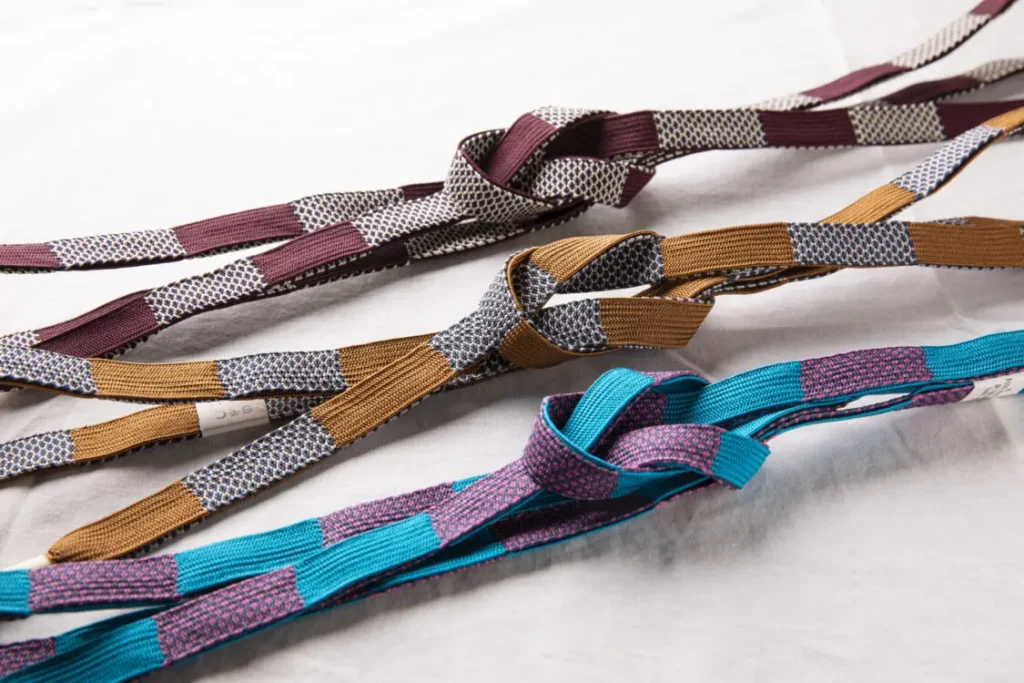
Nimaitonoko
Prices follow those of online shops and retail stores.
“Nimaitonoko” is a special braiding style that looks as if two obijime are layered together.Although it uses the formal Koma-gumi style, it is characterized by softness and ease of tying.Ryu Kobo’s distinctive, rich colors complete the outfit with refined elegance.
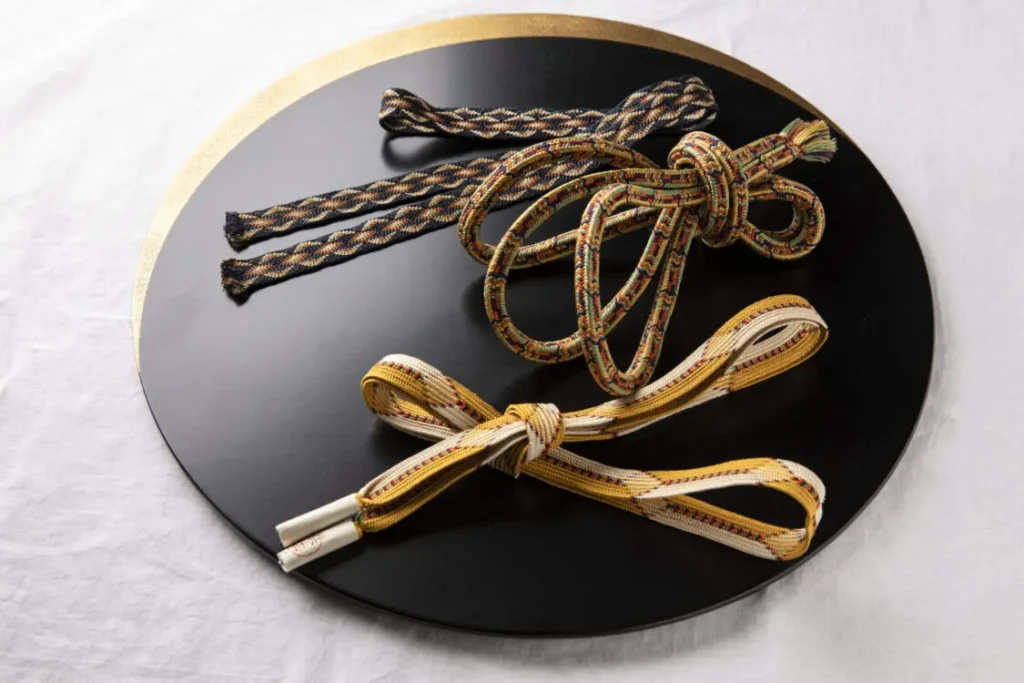
Kumihimo from about 100 years ago
Reference item
These are reproductions made about 100 years ago of ancient kumihimo such as “Chusonji-gumi,” once dedicated to the Konjikido Hall at Chusonji Temple, and the “Kyomaki-himo” used for the Heike Nokyo sutras.They play a role in reviving historical techniques and passing them on to the present.From left: Nijukara-gumi, Chusonji-gumi, and Heike Nokyo Kyomaki-himo
Spot Overview
| address (e.g. of house) | |
|---|---|
| phone | |
| Business Hours | |
| regular closing day | |
| Payment Method | |
| External Links |