

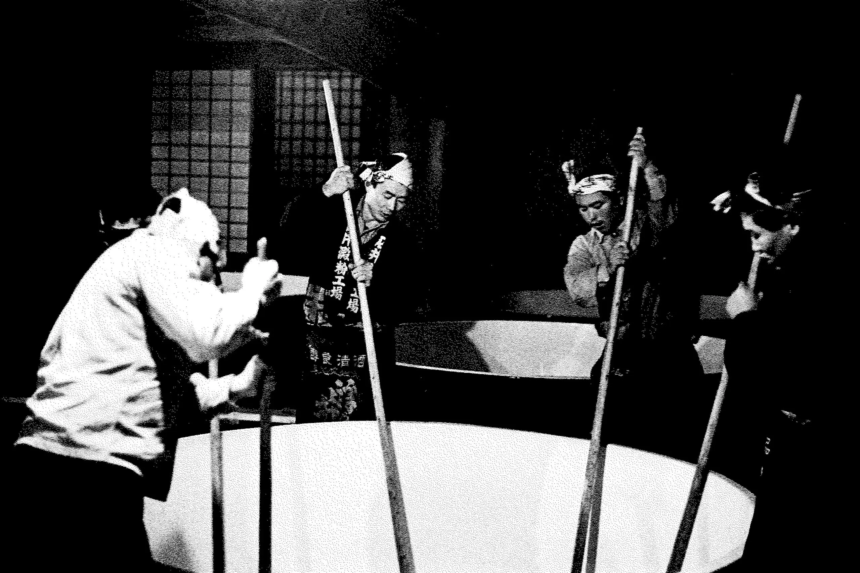
Founded in Genroku 15 (1702)
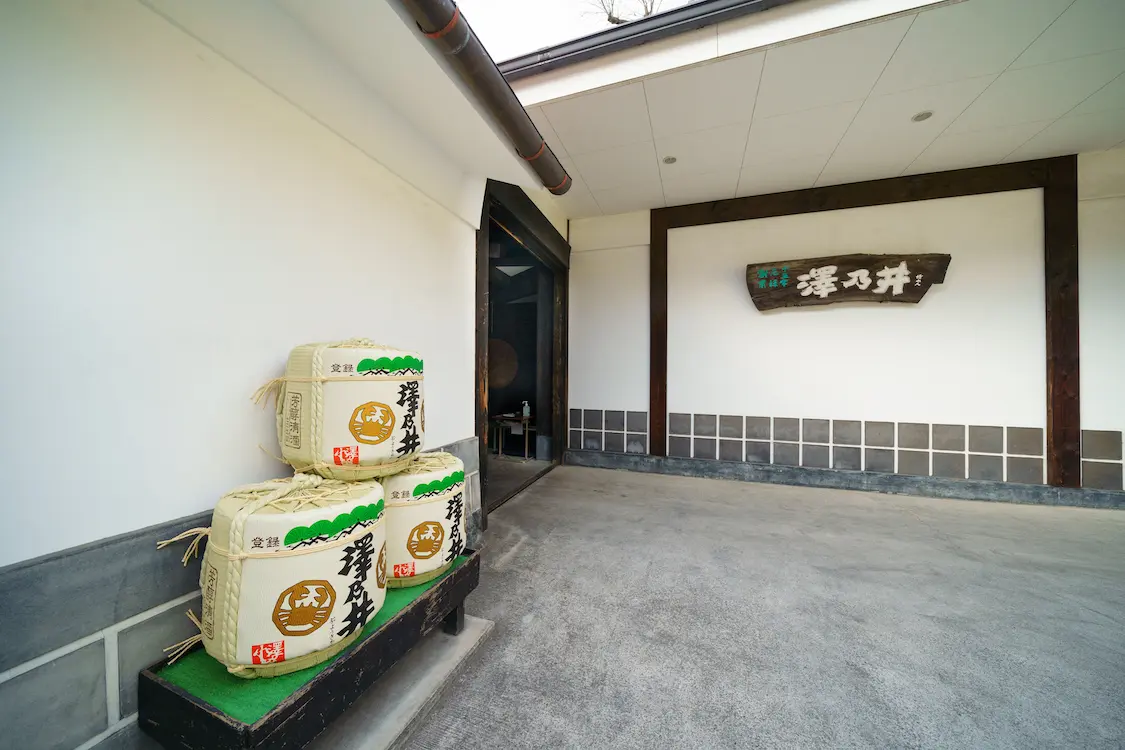
Experience the full Japanese sake culture in Tokyo’s premier area of famous water springs
About an hour and a half by train from Shinjuku, when you arrive at Sawai Station, you are enveloped by air so clear and nature so overwhelming, with a rich sense of greenery, that you may wonder, “Is this really Tokyo?”
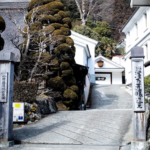
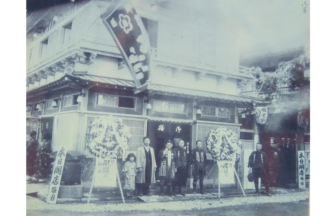
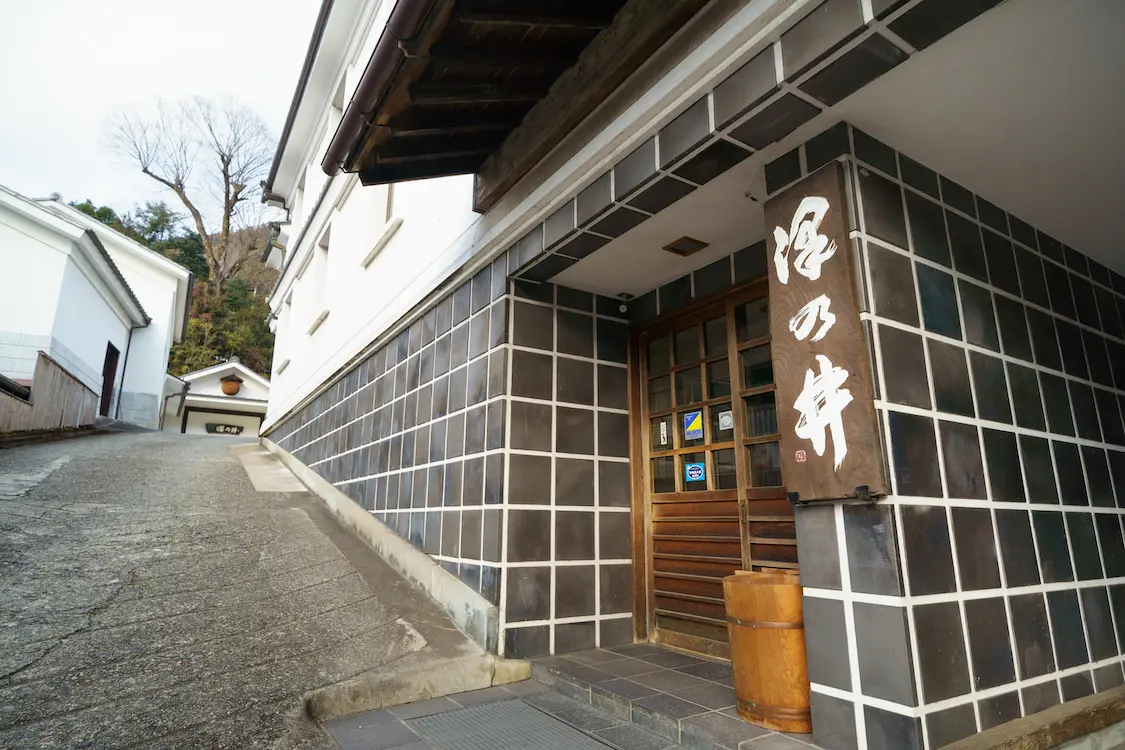
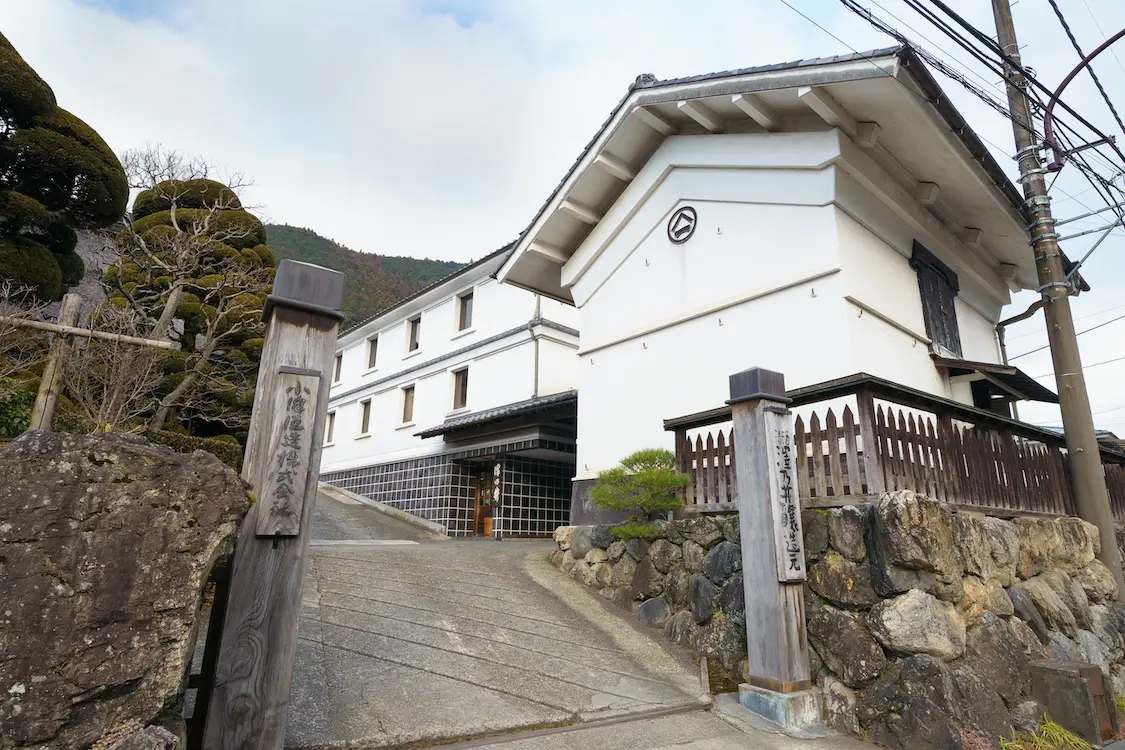
Descend the gently sloping road from the station toward the banks of the Tama River, and your journey into the depths of Tokyo begins. Within a few minutes’ walk, you arrive at “Ozawa Sake Brewery,” where the white walls bearing the words “Seishu Sawanoi” evoke history and dignity. It is said that nearly 60% of the sake distributed in Tokyo is made by Ozawa Sake Brewery, making it truly a representative of Tokyo’s local sake.
True to the place name “Sawai,” which inspired the sake’s name, this land has long been blessed with abundant spring water. Since Ozawa Sake Brewery began brewing here in Genroku 15 (1702), more than 300 years ago, water has continued to flow from the “brewery well,” hand-dug 140 meters into the Chichibu Paleozoic bedrock, nourishing the land and sustaining sake production to this day.
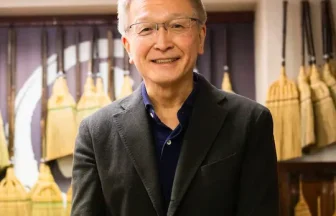
“The core of sake brewing is an offering to the gods. Protecting the water means protecting the mountains, so we believe it is our duty to preserve the surrounding mountains and forests to maintain the same environment even 100 years from now,” says Mikio Ozawa, the 23rd head of the family.
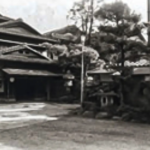
The “Genroku Brewery,” which can be viewed during the sake brewery tour, has been in use since the founding of the brewery. Looking up at the kamidana (household Shinto altar) at the entrance, along with the words of the head of the family, one can feel the greatness of nature, the centuries-long history of human effort, and a solemn feeling akin to prayer.
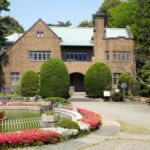
At Ozawa Sake Brewery, to convey its history and background, sake brewery tours began nationwide in 1966 (Showa 41), and the following year the “Seiryu Garden Sawanoi-en” was opened along the Tama River. Later, the garden included a shop selling Sawanoi sake, wasabi pickles, and sake manju, a tasting area, a restaurant featuring tofu made with brewing water, and a museum exhibiting paintings and crafts, attracting visitors and pioneering the role of a tourist-friendly brewery.
You can stroll around the nearby area, enjoy the seasonal plants and birds along the babbling stream, or relax on benches and open decks with light meals and sake, and enjoy sake tasting and shopping. At “Seiryu Garden Sawanoi-en,” where you can fully immerse your senses in nature, why not experience the “depth of Tokyo”?
History
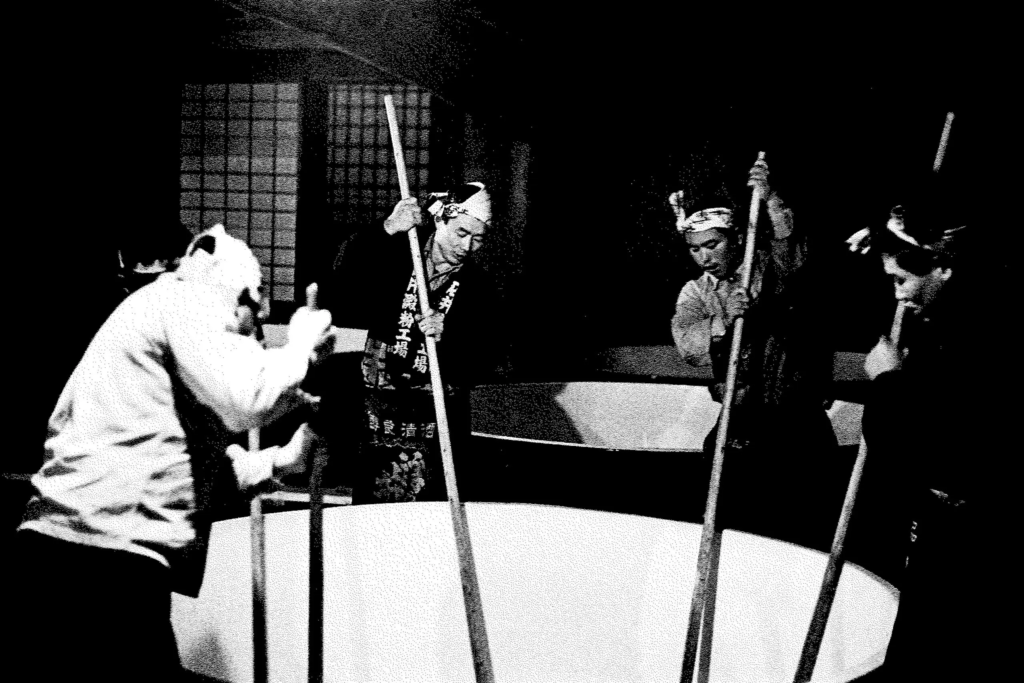
The Ozawa family (formerly the Anayama family), retainers of the Takeda of Koshu, moved to this area following the fall of the Takeda clan and began forestry and various businesses. Later, in Genroku 15 (1702), they started brewing sake, and from 1966 (Showa 41), the brewery has also gained attention as a tourist destination. In recent years, tofu made using the brewing water has also become a specialty.
Come here and discover the depth of Tokyo.
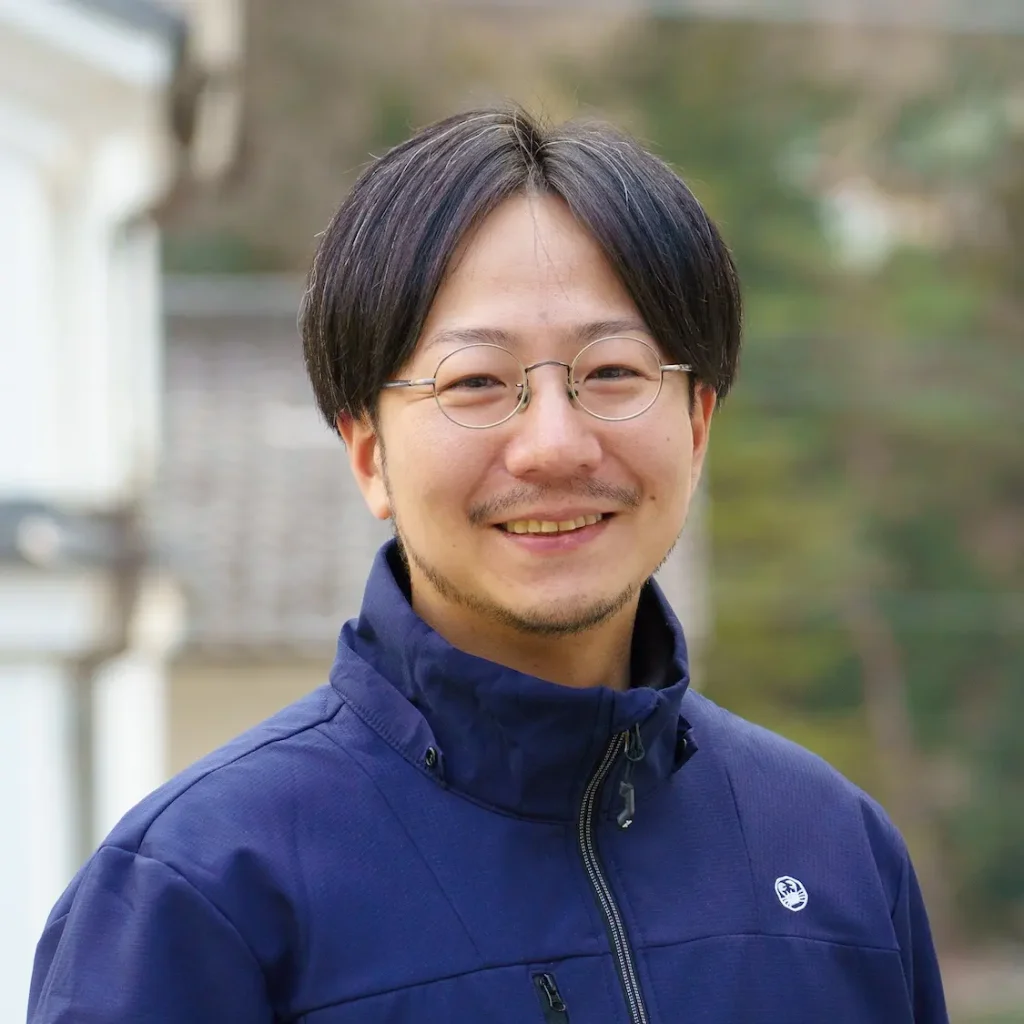
Mr. Mikio Ozawa
23rd Head of Ozawa Sake Brewery
Visitors are often surprised, saying, “I didn’t know a place like this existed in Tokyo.” By coming here, I hope they can truly experience an unknown side of Tokyo and its local sake. I would be delighted if it could serve as an opportunity to explore Tokyo more deeply.
Focus here
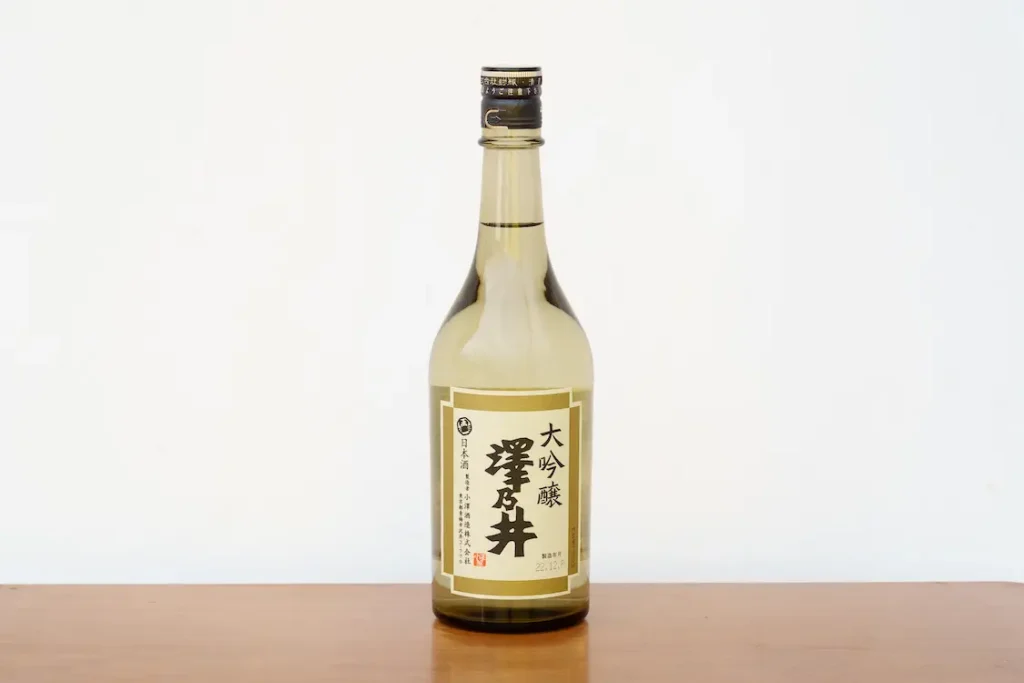
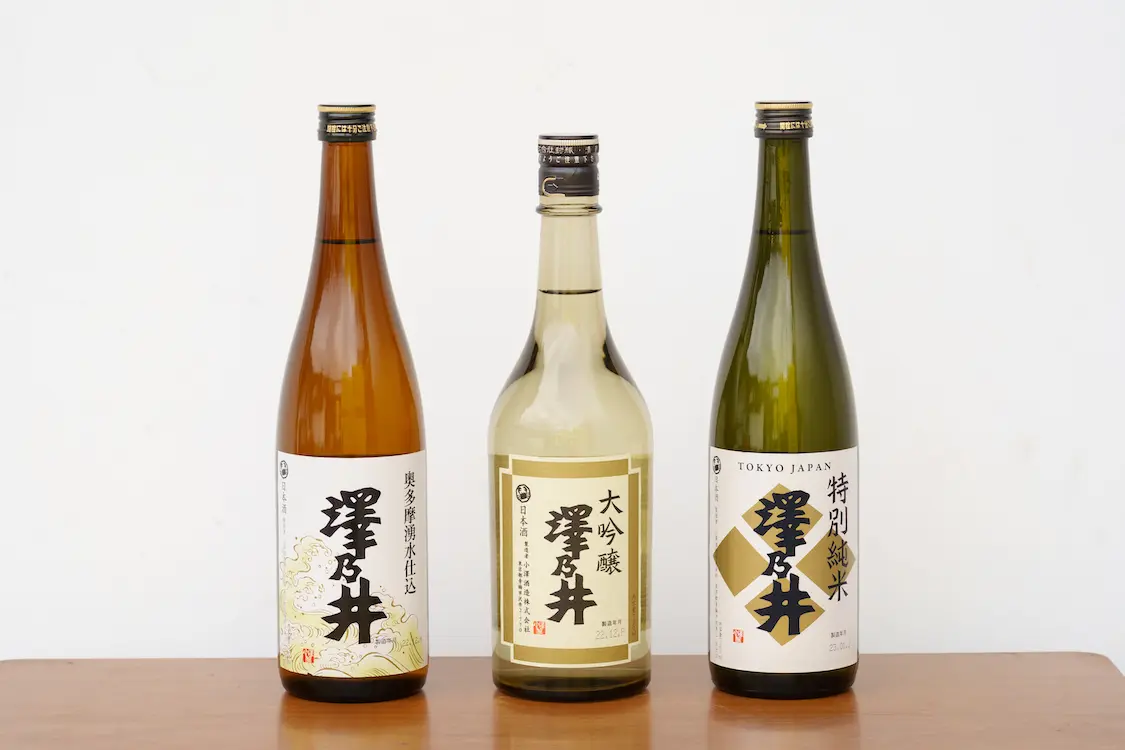
Sawanoi Daiginjo
720ml 2,970 yen
This fruity, dry Daiginjo sake is carefully brewed at low temperatures using selected Yamada Nishiki rice polished down to 50%. It is a refreshing sake with a fragrant, elegant aroma. The crisp, sharp taste also reveals a delicacy reminiscent of glasswork. Best enjoyed chilled or at room temperature.
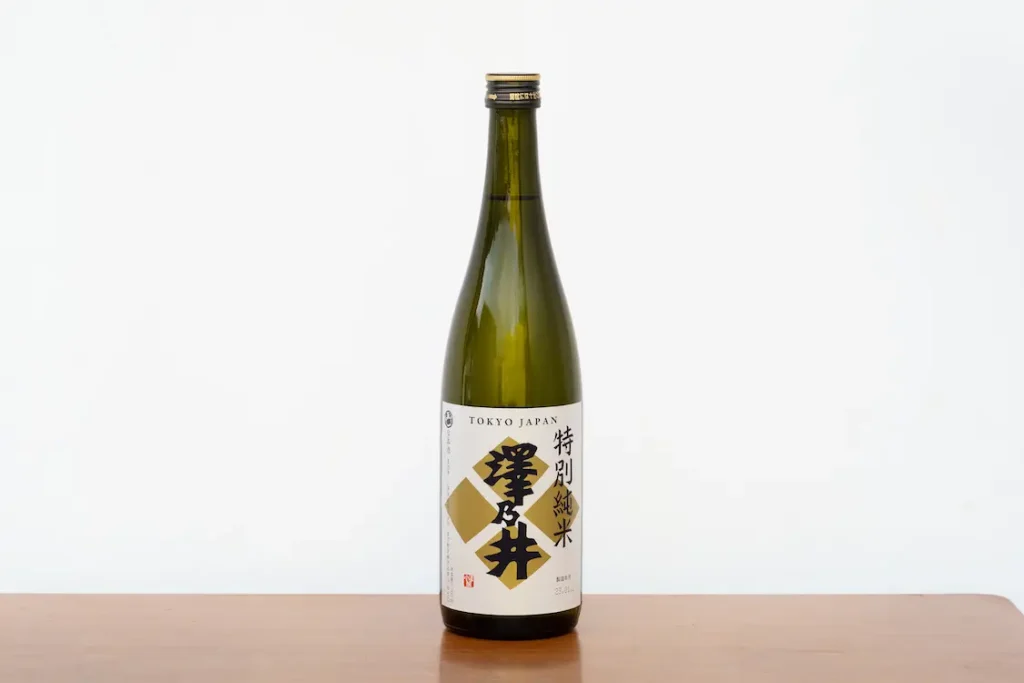
Sawanoi Tokubetsu Junmai
720ml 1,430 yen
Among Sawanoi’s junmai sake, this one is brewed using the brewery’s own yeast also used for Daiginjo. It has a floral aroma and a light, modern taste with elegant umami and sweetness. This sake represents a new era of Sawanoi, highly regarded even overseas. Enjoy it chilled, at room temperature, or slightly warmed while appreciating the changing flavors with your meal.
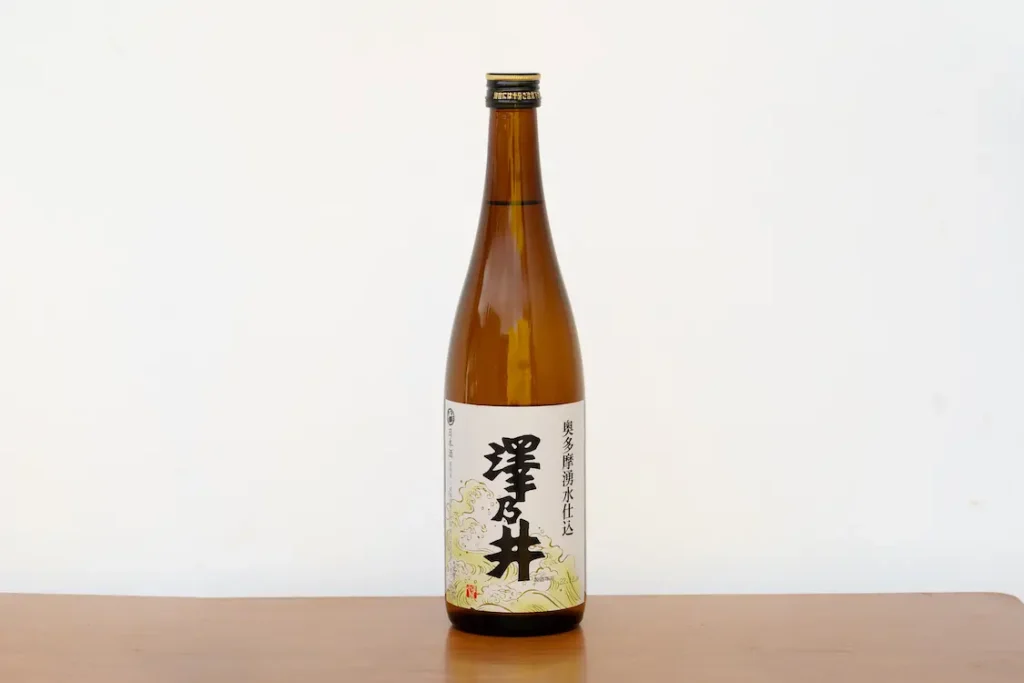
Sawanoi Okutama Spring Water Brewed
720ml 825 yen
Brewed with famous spring water from Okutama, this is Sawanoi’s classic sake, long loved locally. It has a solid acidity and body, offering a timeless flavor that pairs well with any Japanese cuisine. It can be enjoyed chilled, at room temperature, slightly warmed, or hot.
Spot Overview
| address (e.g. of house) | |
|---|---|
| phone | |
| Business Hours | |
| regular closing day | |
| Payment Method | |
| External Links |