Shukusen, a dyed kimono store for yukata and Edo komon. What is the pride and confidence in the words “Shukusen Kansei”?

The Five Secret Secrets of Long-established BusinessesNihonbashi (bridge)type of informal katakana worn in the Edo periodyukata (light cotton kimono worn in the summer or used as a bathrobe)

Bringing the best of Japan to the world, and the best of the world to Japan, agatajapan.

Japan is one of the few countries in the world where there are more than 33,000 long-established shops that have been in business for a hundred years. In this series of articles, we ask the owner of a long-established shop about the “five secrets” that make it a long-established shop. This time, we interviewed the owner of “Shukusen,” a long-established dyed kimono shop founded in 1842, which mainly produces yukata (summer kimonos) and Edo komon (traditional Japanese kimono).

How are these beautiful fabrics, which express the “iki” of Edo, made?

Yukata and Edo komon, also used by the common people of Edo

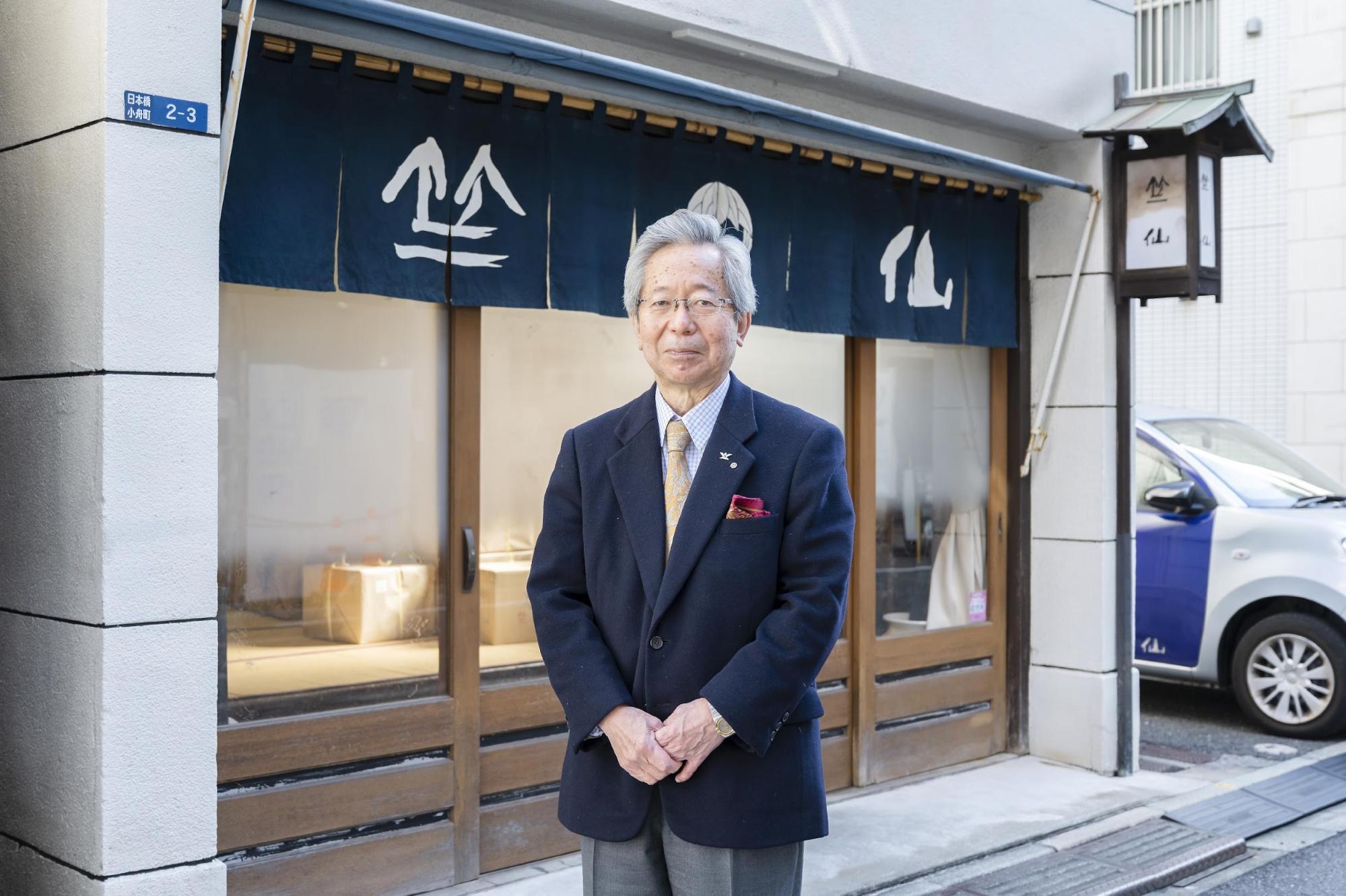
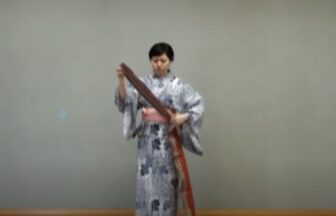
Shukusen is a dyed kimono store that handles everything from production to wholesale and retail. It mainly deals in yukata (light cotton kimono) and Edo komon (traditional Japanese prints).The common people of Edo used to wear yukata in the summer. We can see this in various ukiyoe prints and documents,” says Fumio Ogawa, the fifth generation owner of Shukusen.

The yukata was loved by the common people as a garment for enjoying cool weather in Japan, and new designs were created one after another. Among them, yukata of the Taisho period are characterized by their extremely simple designs.In contrast, the “Edo komon” was originally worn by samurai as a kamishimo (kamishimo costume). In other words, it was a men’s costume that could be worn by women as well.

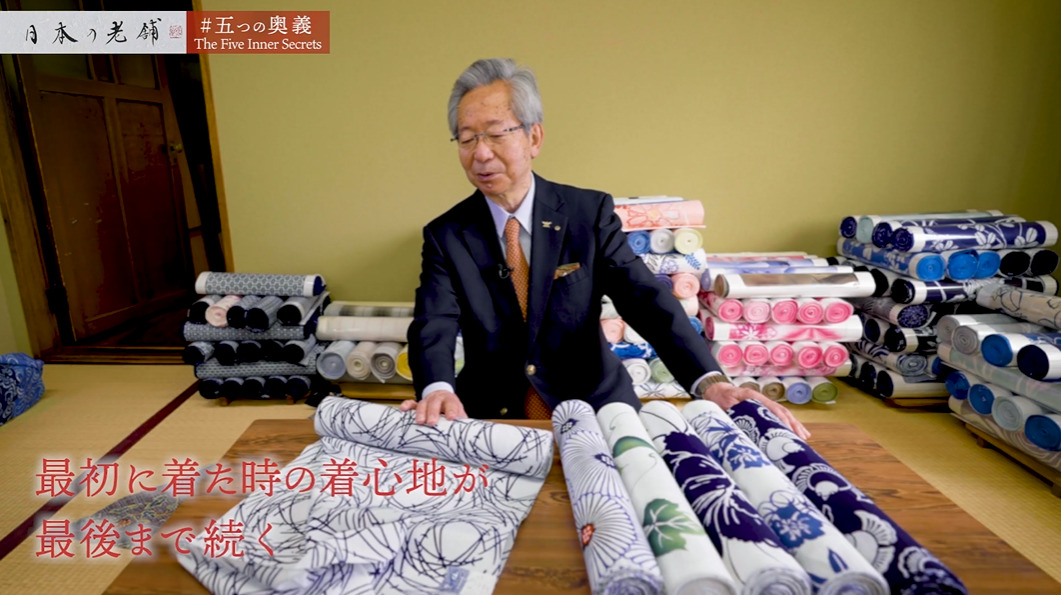
Ms. Ogawa showed us Yose-komon with snow rings. You can see various Edo komon in very fine detail within the snow rings (snow crystals).

Five profound secrets of long-established stores No. 1: Ask the “needle” about the comfort of the fabric

For yukata that enjoy the coolness of summer, we use a fabric called “Koma,” which is a Jyukusen original material. This yukata fabric is woven using highly refined (unnecessary fibers have been shaved off) cotton yarn, and is characterized by its smooth texture.

When weaving combed fabric, it is important not to feed it with too much glue. If you use a lot of glue, it is true that the fabric feels good to wear, but the problem is that the fabric becomes fluffy as you wear it. On the other hand, with Jyukusen’s combed fabrics, the comfort of the first time you put your arm through the fabric lasts until the end of the garment.

Some people may feel the difference only after wearing the yukata, while others may feel that there is not much difference. However, it is the seamstress who first notices the difference when she tailors a yukata. Many of them say that yukata made of koma-textured fabrics run very smoothly on the needle,” says Ms. Ogawa.

Old shop Five Secret Secrets #2: Design stencils are “one-of-a-kind”.

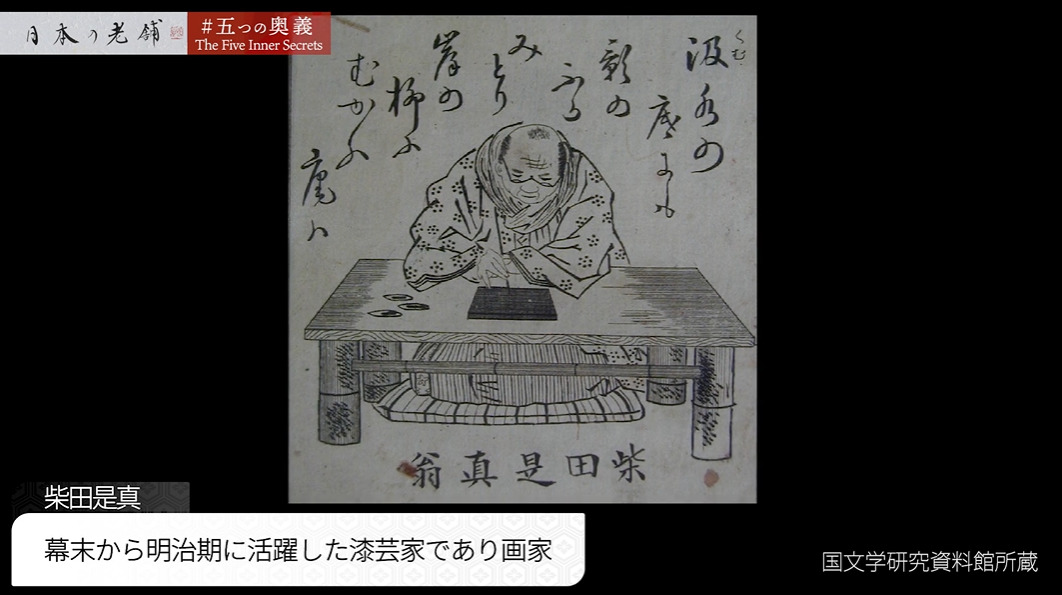
In the Edo period, the head of the family at that time had haiku companions who were painters, and they sometimes brought back works they would rebel against and used them as the basis for yukata designs.

It is said that he was also associated with the lacquer artist and painter Shibata Zeshin, who was active from the end of the Edo period to the Meiji period. If it had survived today, it would be a very valuable painting, but at that time, the painting itself has not survived at all because it was pasted on a stencil and carved with the entire picture. It would be a shame if it had survived today,” says Ogawa.

Even though no pictures have survived, carved stencils are still abundant. However, no two pieces of pattern paper are the same.

If you look closely at the pattern, you will see a net-like area. This is called “gauze-bari,” which is a kind of reinforcement made of silk threads. In the case of pour-dyeing, glue is placed on top of this katagami with a spatula.

The Five Secret Secrets of Long-established Craftsman No. 3: Young Craftsmen are given Opportunities to Work

Next, he took us to Isebo Dyeing Works, located in Matsushima, Edogawa-ku, Tokyo.

At the itaba, patterns are applied to the fabric by applying stencils to a wooden frame. A spatula is applied evenly, and glue is applied to the areas that will not be dyed. This is a very difficult process. If the glue is applied too thickly, the pattern is crushed and the lines become thinner, and if it is applied too thinly, the glue is defeated by the dye and the pattern blurs.

Next, coloring is done with a jar filled with dye. The finished product’s flavor will vary greatly depending on how the dye is applied and how the jouro is used, and this is where the craftsman’s skill is shown.

On this day, a young woman was working on the coloring process at the dyehouse.

Many people have the image that craftsmen are all elderly, but most of the workers at this dyehouse are young people in their 20s, which surprises everyone,” says Ogawa.

However, it is by no means the case that less experience means less skill.

They all have their own aesthetics and sensitivities, and they are eager to do work that exceeds what their predecessors have done. Therefore, I feel that we must conduct our business in a way that does not tarnish the pride and name of these young people,” said Ogawa.

Old shop 5 secrets #4: All products are labeled “made by Shukusen-kan

Shukusen has always placed the utmost importance on taking responsibility for what it makes. The words “Made by Jyukusen-kan” are always written on the products we make.

This is, as the word implies, a binding statement to myself: “I have created a product that can be used as a model. It may be an impertinent word depending on how you look at it, but I use the word “kansei” with that level of pride and confidence,” says Ogawa.

As an expression of such determination, all of Shukusen’s Edo komon fabrics are inscribed with these words.

I was told later that my predecessors and predecessors before me had done things with that much determination. If I had been told this at the beginning, I might have been too afraid to join Jyukusen,” smiles Mr. Ogawa.

The Five Secret Secrets of Long-established Businesses No. 5: It is the “Means of Communication” that Changes

Some things change with the changing times and some do not.

Mr. Ogawa believes that there is no need to dare to change traditional product-making methods. Rather than changing the essence of manufacturing, he says it is important to devise a “way of presentation.

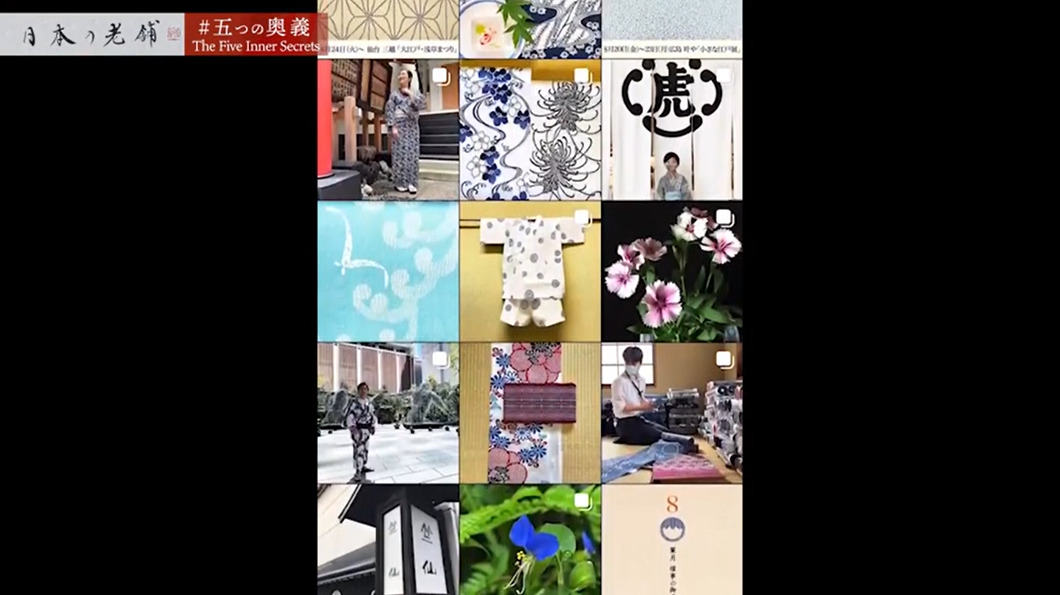
I believe that the most important point to keep our products in the world in the future is to communicate our products in an easy-to-understand way using social networking services,” says Ogawa. (Mr. Ogawa)

What is the mission of a long-established company?

Mr. Ogawa says that when he learned of the “resolve” of his predecessors and predecessors before him, he felt a bit intimidated. And yet, why did he choose to take on this heavy responsibility?

If we don’t continue, this work and the artwork will disappear from the world. When I ask myself whether it is really okay for them to disappear, I realize that they are something that should be kept alive. My predecessor used to say ‘the best products made by human beings,’ and I would like to create products that can be said to be made by human beings,” says Ogawa.

180We will inherit not only the skills that have been cultivated over the years, but also the resolve of our predecessors in their entirety.Ogawa’sThis sense of mission will lead Japanese yukata culture to the next generation.


Starmark Corporation

Bringing the best of Japan to the world Bringing the best of the world to Japan Bringing the best of tradition to the present Bringing the best of the present to tradition

The video of “The Five Profound Meanings: The Zhu Xian Version” is available athere (place close to the speaker or where the speaker is)from (e.g. time, place, numerical quantity)

新着・おすすめ情報

  1. 【榮太樓總本鋪】期間限定販売「抹茶金時大福」

  2. Ruins of Akasaka-mitsuke

  3. various

  4. gore

  5. Smoked Saikyo pickles have evolved into a snack for alcoholic beverages. The insatiable spirit of challenge at the long-established “Tsuta-no-ie

  6. black formal kimono with designs along the bottom of the skirt worn by married women on ceremonial occasions

  7. When did “taru-shu” begin to be made? Words related to sake

  8. Philosophical Hall Park (Araiyakushi, Tokyo)

  9. Tempura DOTENOISEYA

  10. Ginza Matsuzaki Senmochi, a long-established shop, depicts tradition and innovation with its signature product “kawara senbei” (tile rice cracker).

  11. Funabashiya Kameido Tenjin-mae Honten

  12. Meishu no Taki Park (Oji, Tokyo)

  13. Setagaya Daikan Yashiki

  14. When is the day of the Ox in 2023? What is the origin and the reason for eating eels?

  15. Former Mikawashima sewage disposal pumping facility (Arakawa, Tokyo)