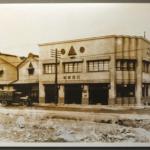


Taisho 5 (1916)
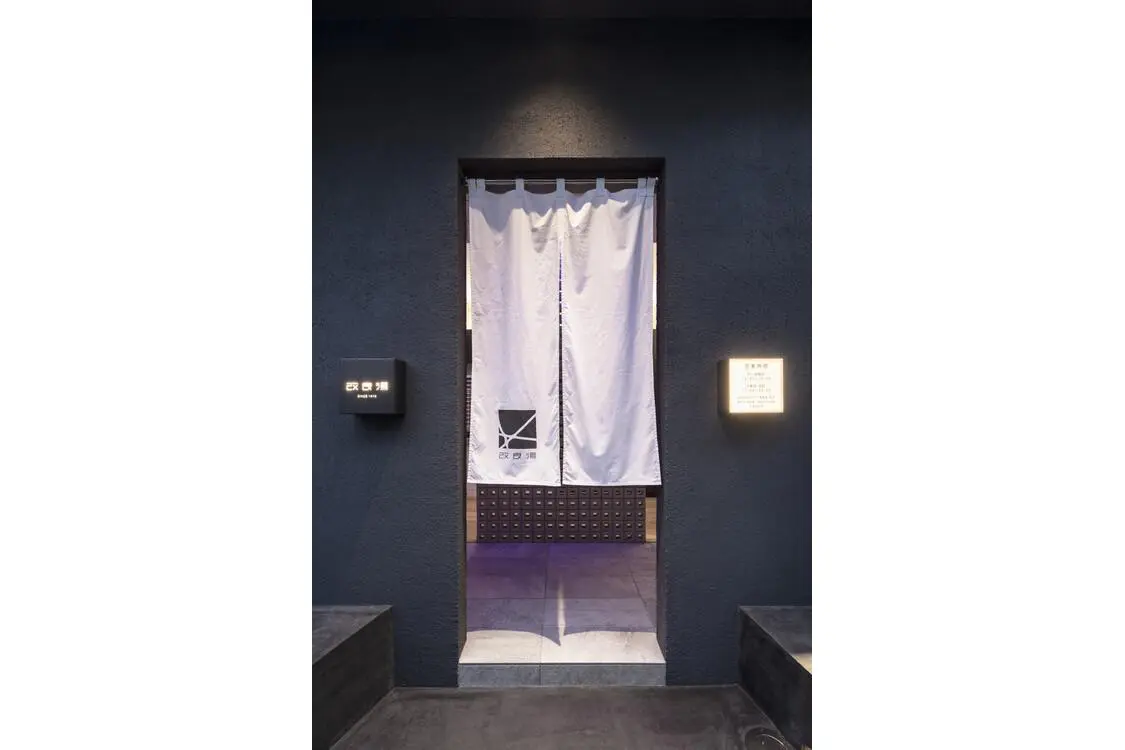
A long-established public bath continuing since the Taisho era was renovated in 2018 into a more enhanced facility
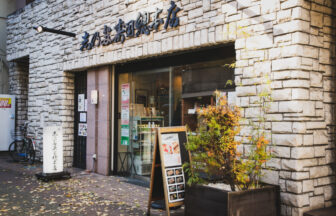
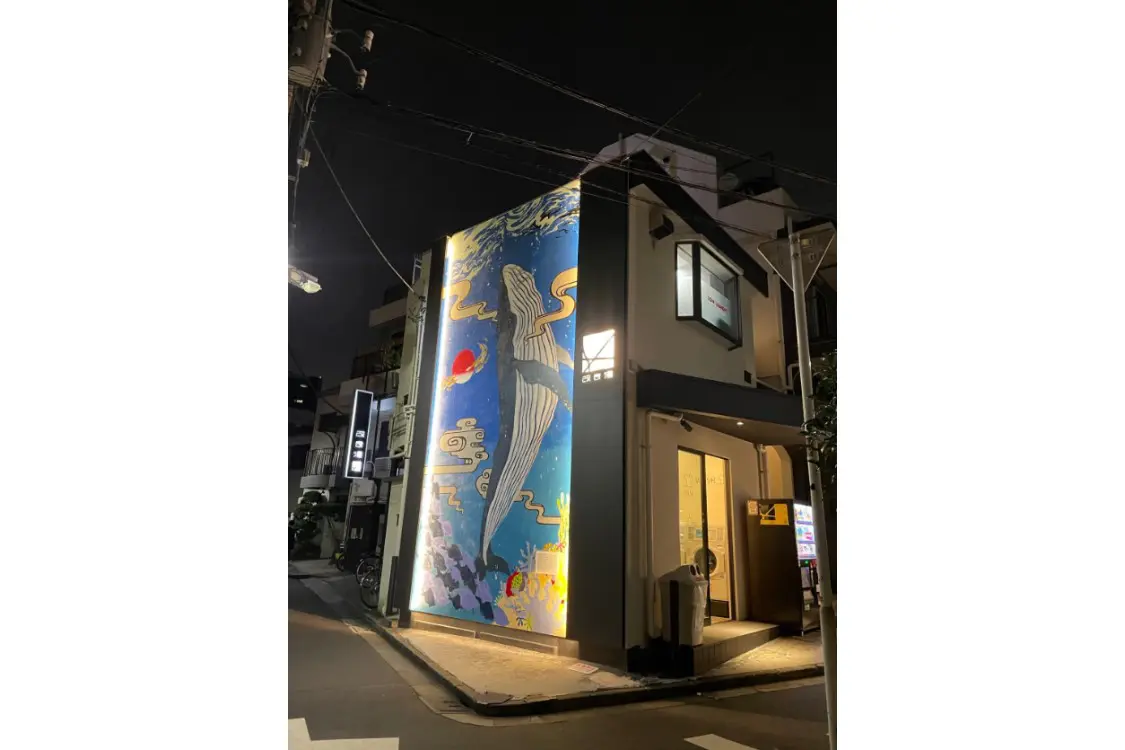
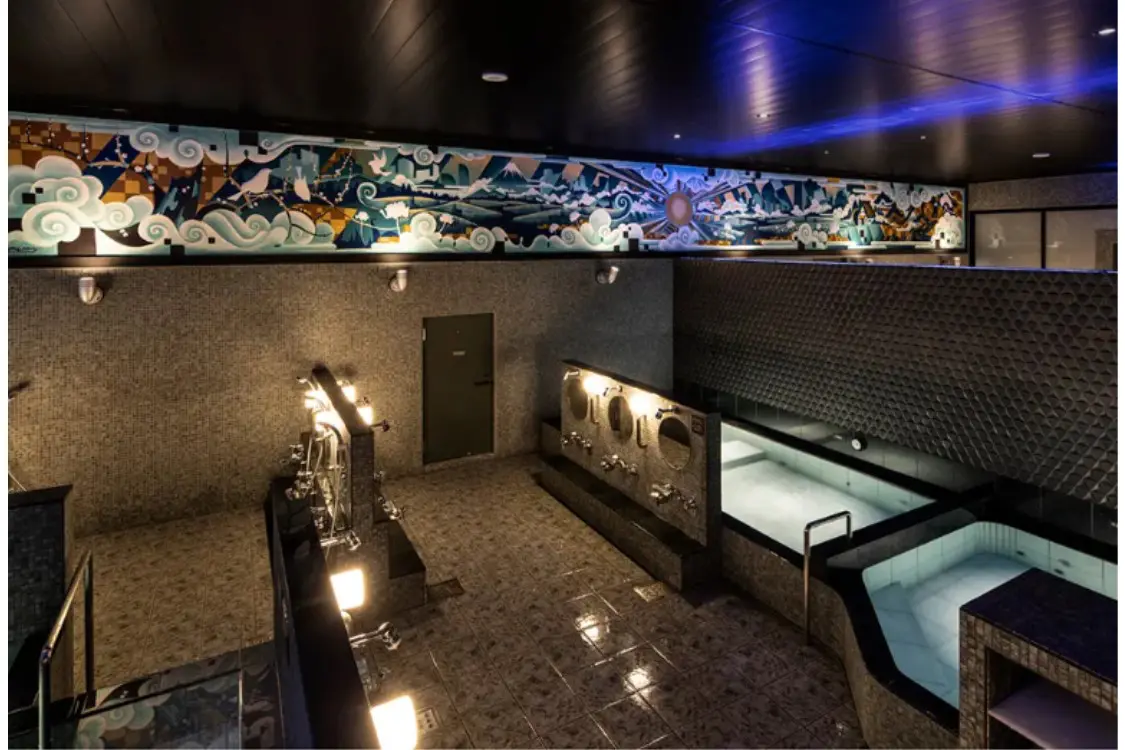
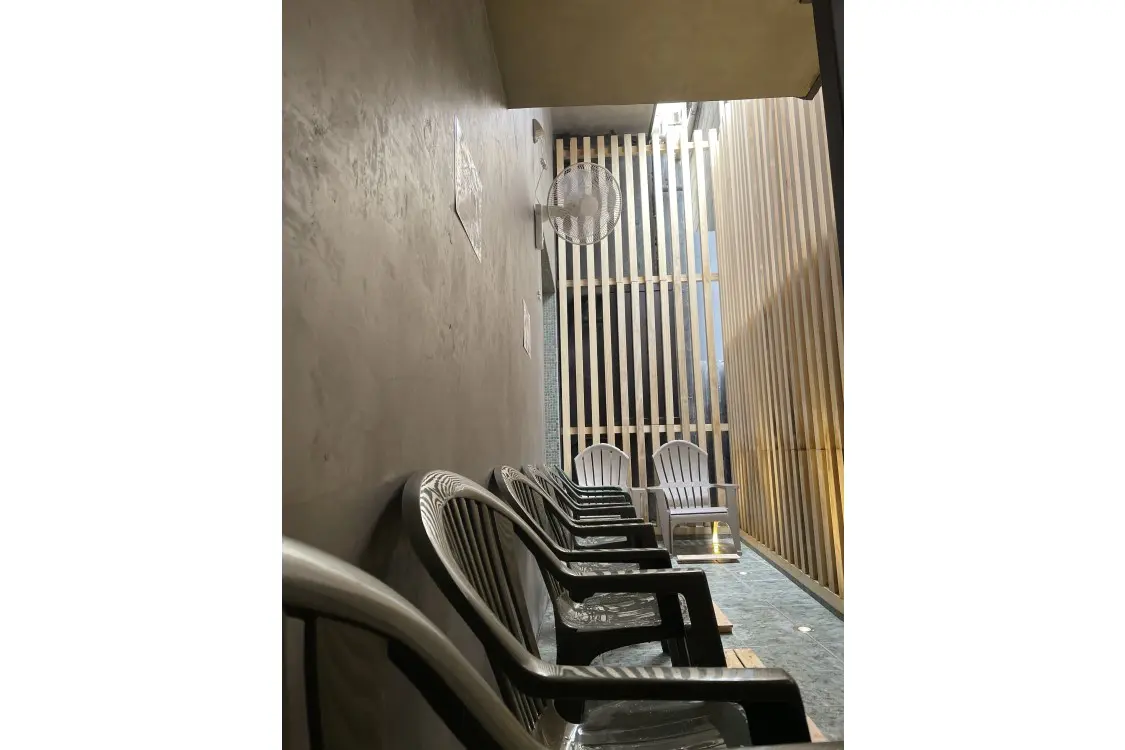
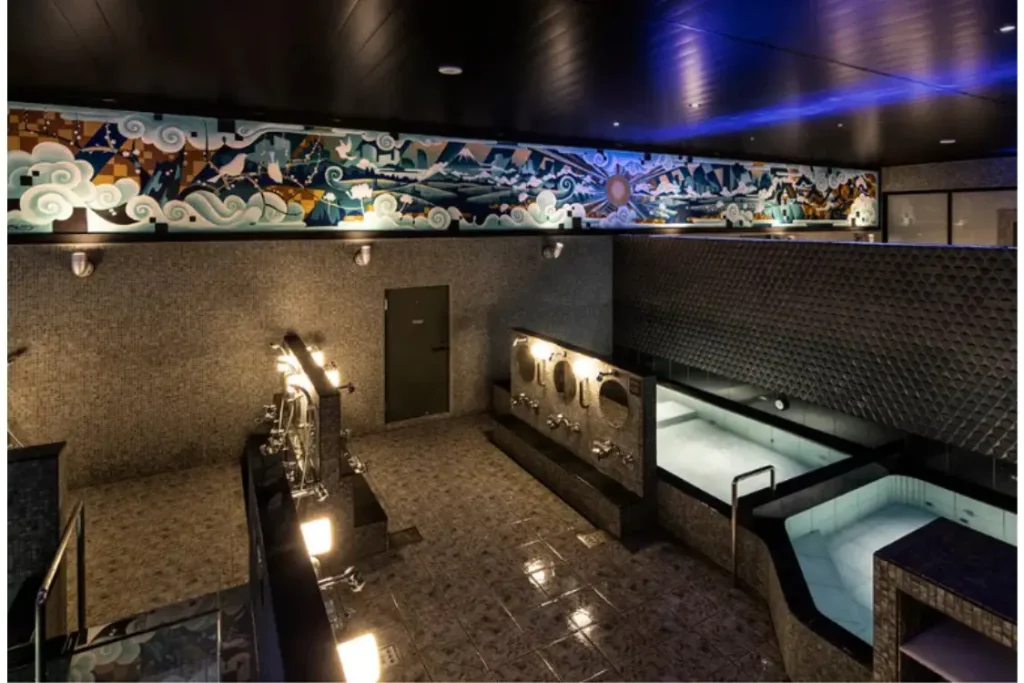
A long-established public bath founded in the early Taisho era, located along Meiji Street connecting Shibuya and Ebisu, was renovated in 2018 with a large whale artwork painted on the exterior wall. This mural, commissioned from mural artist emi tanaji, has become a symbol of Kairyo-yu, and the facility’s concept is “a public bath where people and culture intersect”. The interior incorporates modern design, the sauna space has been expanded, and an outdoor bathing area has been added.
While prioritizing the health of visitors, they also regularly hold events such as “Parent-Child Bathing Day” and “Senior Bathing Day”, and place importance on community building that takes advantage of Shibuya’s vibrant cultural diversity.
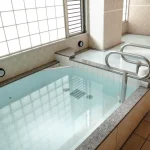
The bath uses soft water that is gentle on the skin and maintains an ion balance similar to sodium hot springs known as “beauty baths”. This makes it safe for people with atopic, sensitive, or dry skin. There is also a carbonated bath that can help improve circulation and relieve fatigue. Why not refresh yourself at the public bath after work or before going out?
History
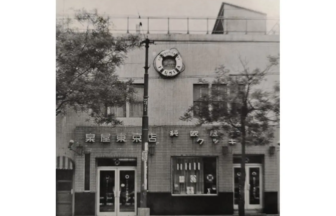
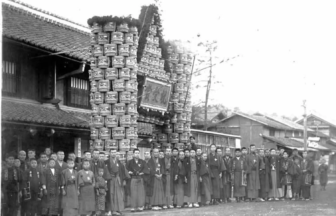
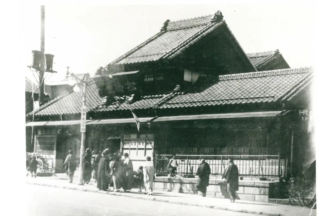
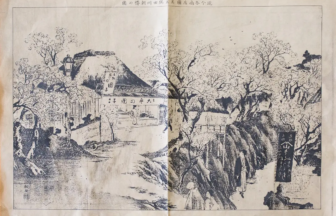
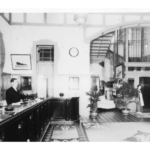
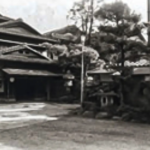
Nobuaki Yamato and his wife Keiko, who inherited Kairyo-yu as the fourth generation, run the bath together. Kairyo-yu was originally opened in Taisho 5 (1916) by Keiko’s great-grandfather, who moved to Tokyo from Toyama. In 2018, under the supervision of public bath architect Kentaro Imai, a major renovation was carried out, and it continues today as a public bath loved by people of all generations.
Focus here
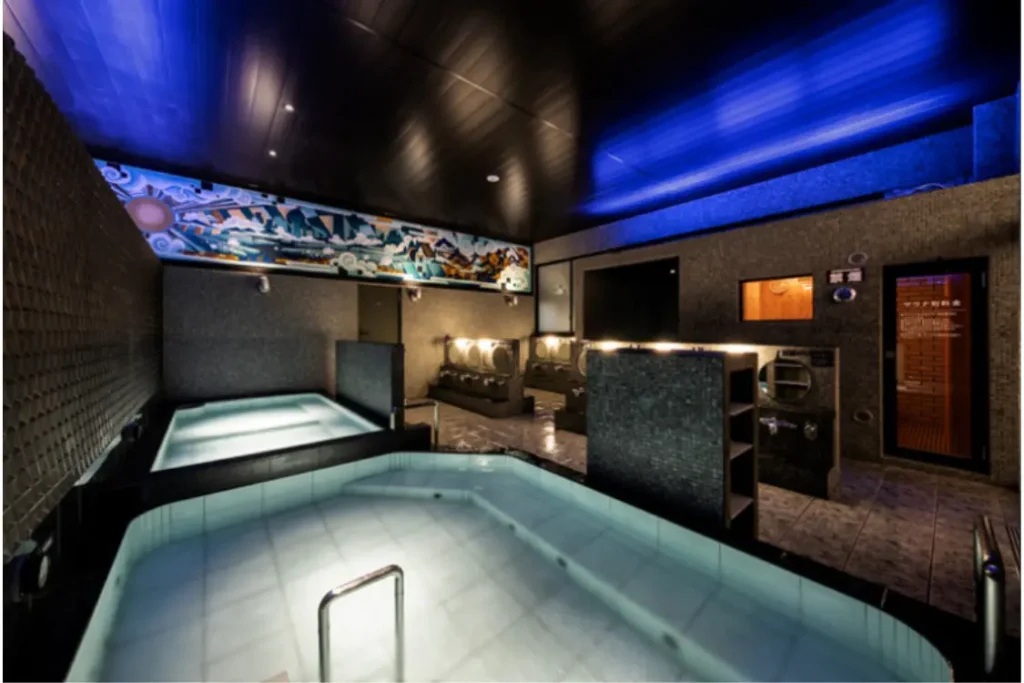
Carbonated spring bath
The carbon dioxide in the carbonated spring bath expands blood vessels, which can promote blood flow more effectively than a regular bath. In recent years, it has also been used for athletes’ fatigue recovery and in medical applications. It is recommended for relieving the fatigue accumulated from work or housework.
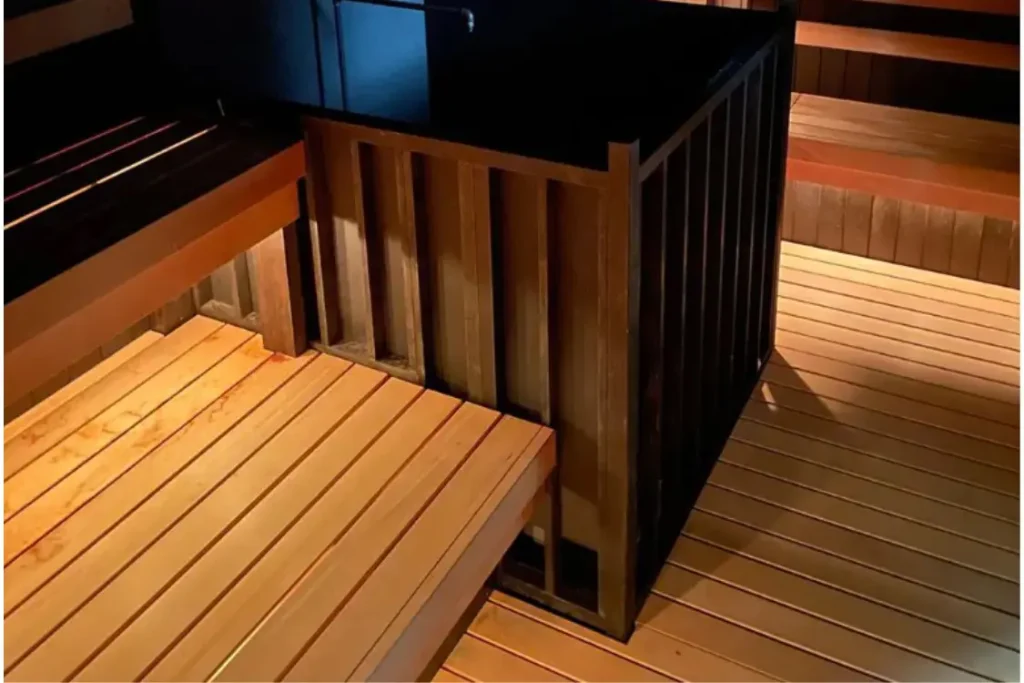
Sauna
The sauna offers various benefits such as fatigue recovery, beauty effects, better sleep, and anti-aging effects. At Kairyo-yu, the sauna is convection-style for men and far-infrared for women. It is recommended to use it together with the cold bath, which can improve metabolism and relieve muscle fatigue.
Let’s Try
Bathing events
① Parent-Child Bathing Day
Every 2nd and 4th Sunday of the month
Reception hours: 16:00–19:00 (※Bathing can continue after 19:00)
Cost: Free
Eligible participants: Parent-child pairs residing in the ward (children must be junior high school age or younger)
Grandparents and grandchildren residing in the ward (grandchildren must be junior high school age or younger)
※Proof of Shibuya ward residence is required, and junior high students must show their student ID
② Senior Bathing Day
Every 1st and 3rd Sunday of the month (only the 3rd Sunday in January)
Reception hours: 13:00–16:00
Cost: Free
Eligible participants: Residents of Shibuya ward aged 60 or older (※Advance application for a user certificate is required)
Spot Overview
| address (e.g. of house) | |
|---|---|
| phone | |
| Business Hours | |
| regular closing day | |
| Payment Method | |
| External Links |