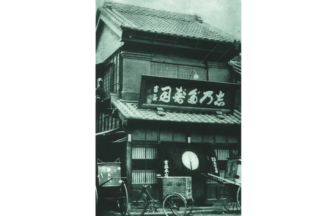


Founded in Taisho 1 (1912)


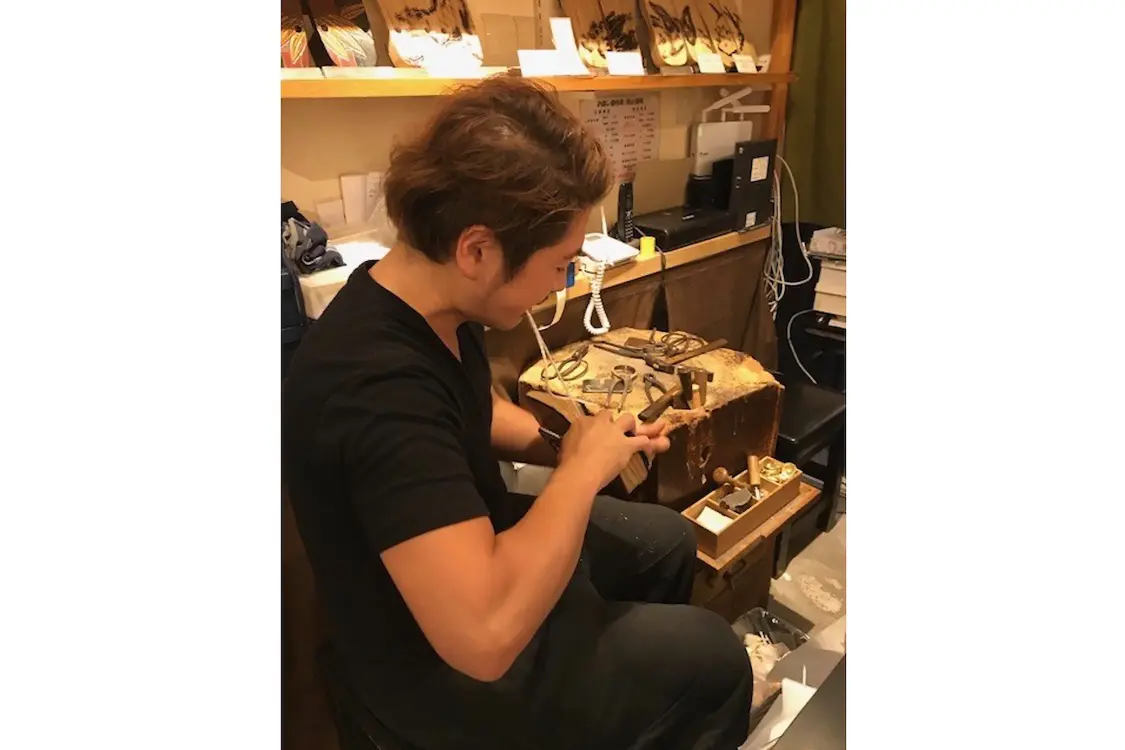
Create original zori or geta that perfectly fit your feet
A specialty store for traditional Japanese footwear focusing on geta and zori.A fitting craftsman is always in the shop, and after you choose your preferred thong and base, they finish the fitting to your feet in about 15 minutes.They adjust not only for foot size, but also for instep height and walking habits—truly a craftsman’s skill.With techniques passed down at Tsujiyahon-ten, you receive a pair that reduces pain and fatigue even after long walks.There are more than 100 types of sandal thongs available for both men and women.Staff help you choose based on the occasion, budget, and the kimono style you want to match, so even first-timers can feel at ease.Reservation-based online customer service is also available.Just like visiting the store, you can choose products, show your feet, and have them fitted on the spot for purchase.To share Japanese traditional culture such as geta and zori, they actively host events and publish videos on YouTube.
History
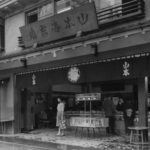
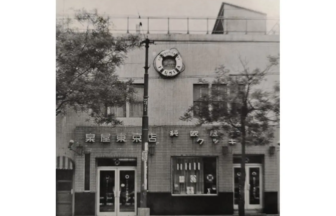
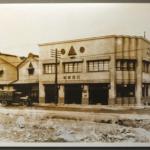
The business began as a geta shop in Taisho 1 (1912) in Honjo Ishihara-cho (now Ishihara, Sumida Ward).Although the store was lost in the Great Kanto Earthquake, it restarted in Asakusa’s Shin-Nakamise Street.In 2014 (Heisei 26), the store moved to Denboin-dori, conveniently located near Asakusa Station and Asakusa Shrine.
This Notable Item
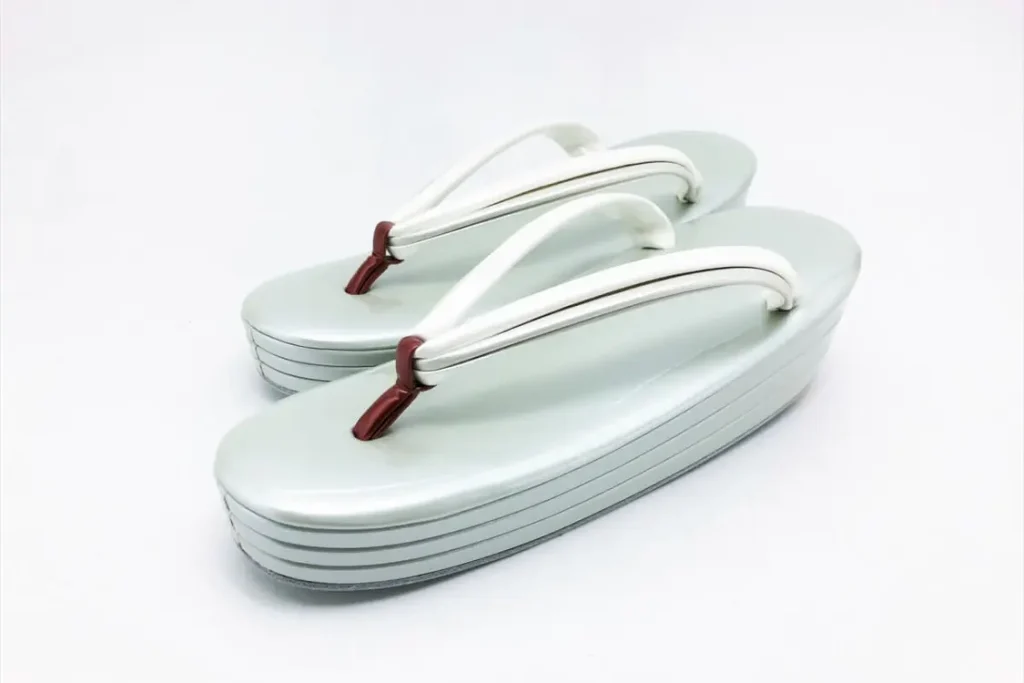
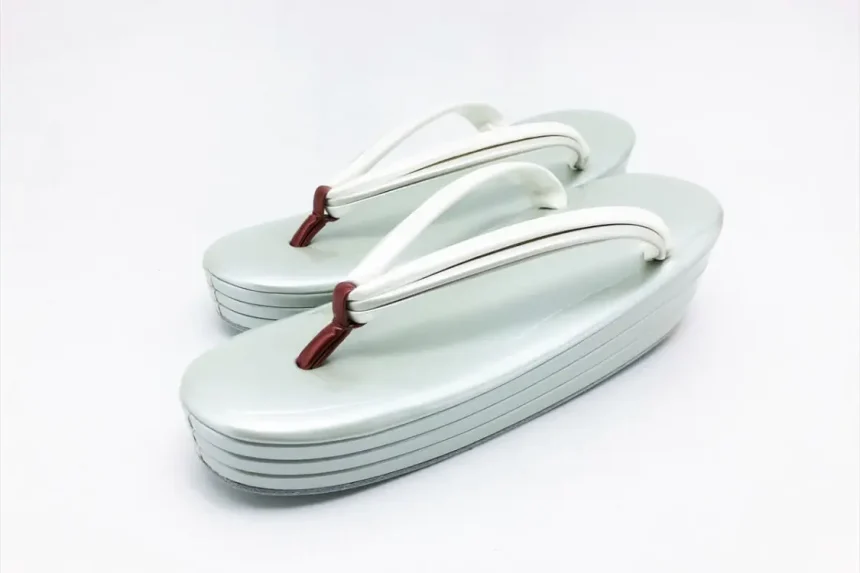
Kasane — Light Asagi Gray
26,400–30,800 yen
A classic item of Tsujiyahon-ten. These versatile zori match both casual and formal kimono for any occasion.The three-layer base is about 5.5 cm high—comfortable for walking and ideal as a first pair.The thongs use high-quality cow leather and are highly durable.The wide range of color variations is another attractive point.
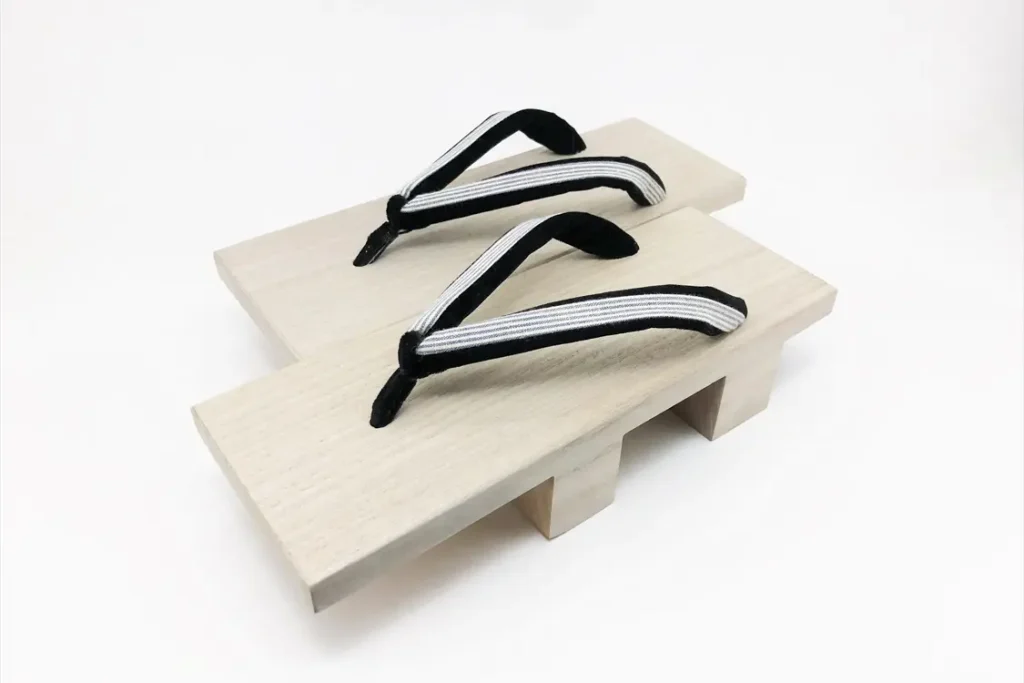
[Men’s] Shiraki Shamigaku Tsubosagari Geta
10,340 yen
These square geta are called “Shamigaku” because when both sandals are placed side by side, their shape resembles a shamisen body.The “Tsubosagari” style positions the thong farther back than usual, creating a long toe area and an extended exposed heel.In Asakusa, they are favored as “stylish geta.”
Spot Overview
| address (e.g. of house) | |
|---|---|
| phone | |
| Business Hours | |
| regular closing day | |
| Payment Method | |
| External Links |