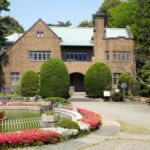


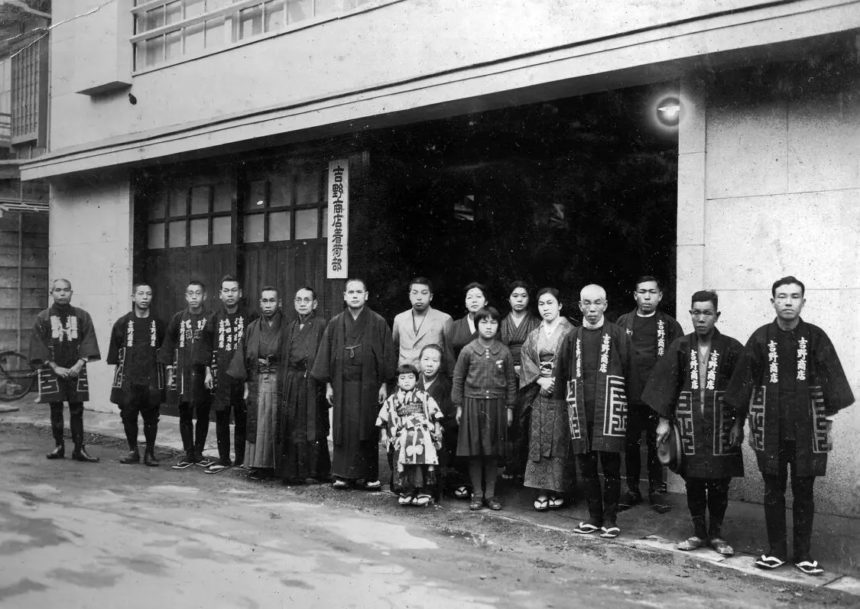
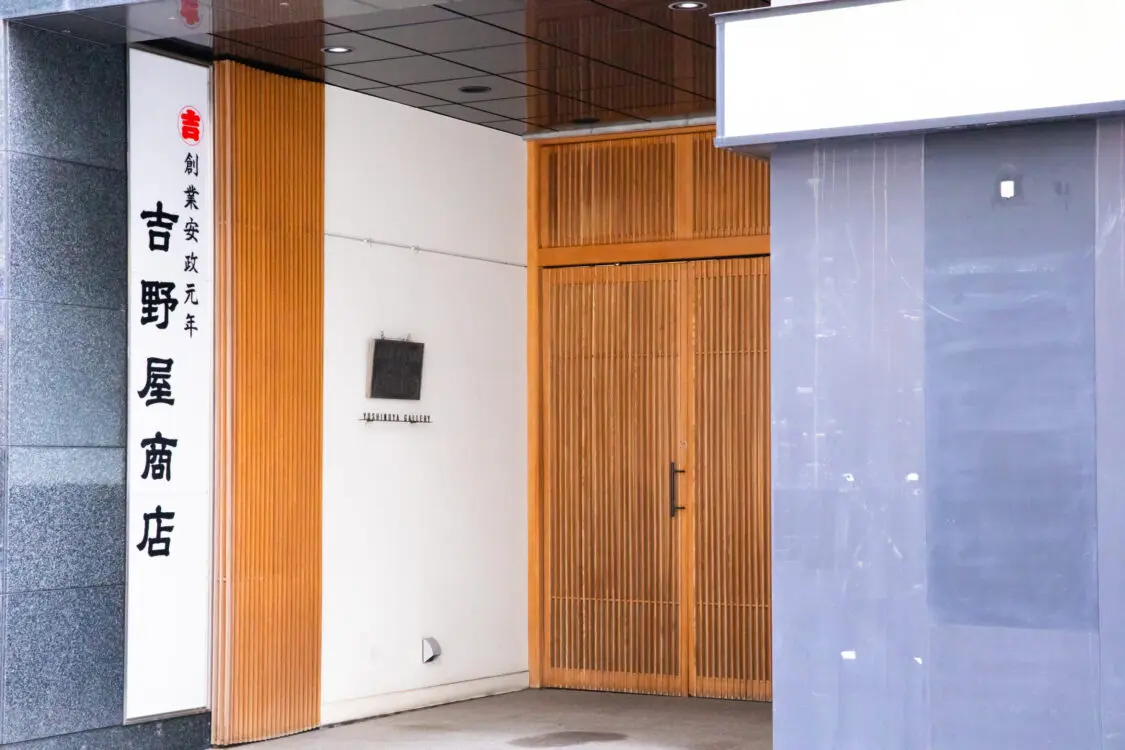
Founded in Ansei 1 (1854)
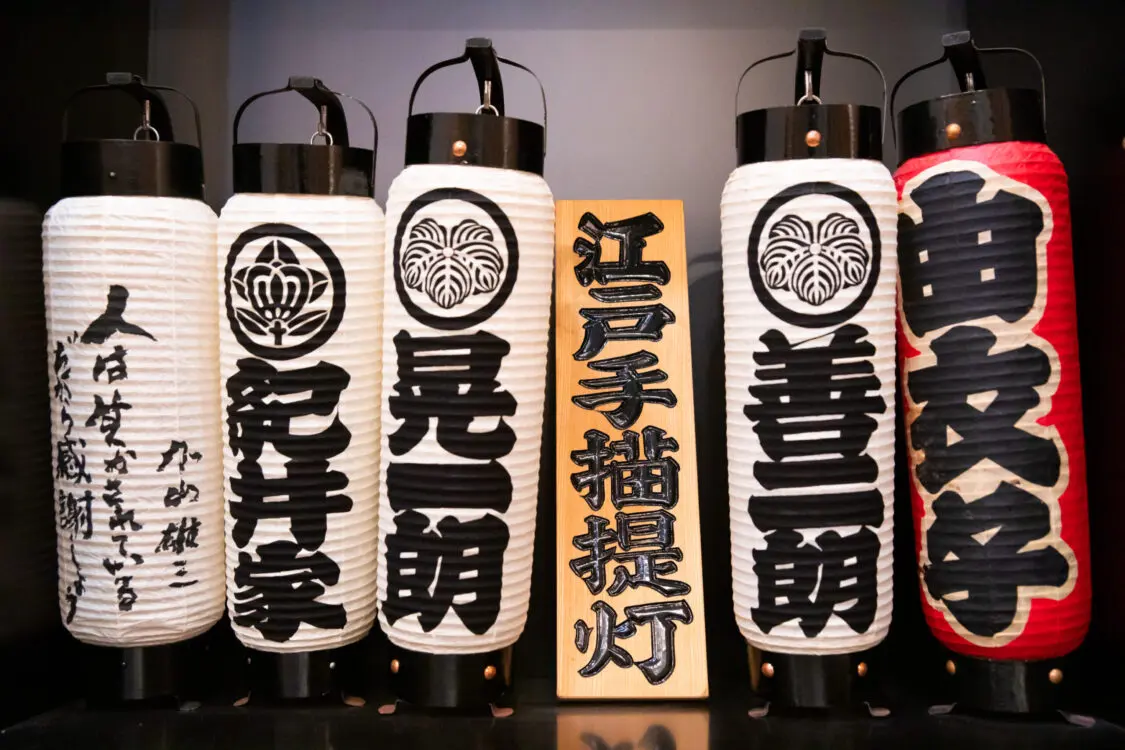
Lighting the heart with Edo aesthetics through “Edo lanterns”
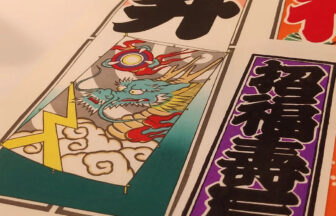
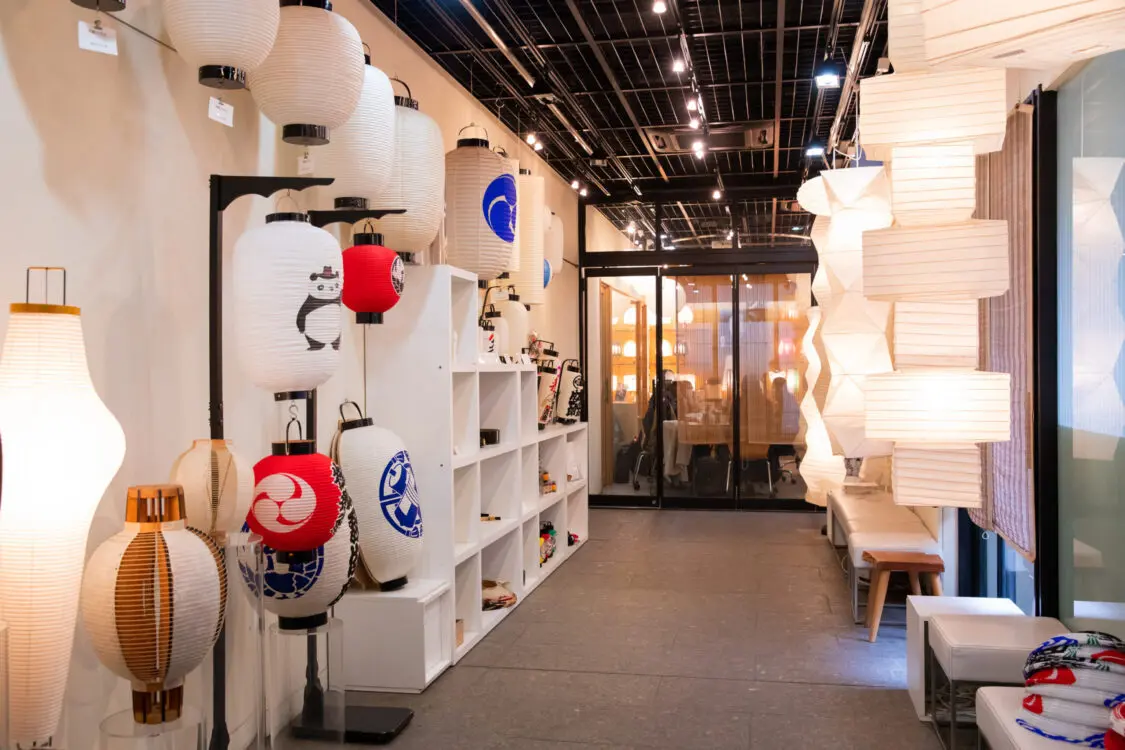
Handheld lanterns were born in the mid-17th century. Made of bamboo and paper, they are lightweight and could be folded, making them valued as portable lights.今Today, their role as portable lighting has been taken over by other tools, but lanterns are still used at shrines and temples, at the eaves of Japanese restaurants, and on stages and in theaters for traditional performing arts.Yoshinoya Shoten has continued making such lanterns for more than 150 years.At the Kanda Festival, a symbol of Edo’s spirited style, the lanterns that decorate the portable shrines of each neighborhood are also made by Yoshinoya Shoten.The Edo-lantern technique of hand-painting requested characters and crests onto lanterns remains only here in Tokyo.Watching the craftsmen paint characters without any preliminary sketch is truly a mark of mastery.They can usually handle requests for almost any typeface, but Yoshinoya Shoten’s distinctive style is “Edo script,” refined to be easy to read from afar, clean and full of energy.Another feature is the deliberate adjustment of the top and bottom balance so that the characters appear even when viewed from below.
The lanterns chosen to enhance the festive atmosphere at “Kobikicho Plaza,” located underground at the rebuilt Kabukiza Theatre, were also made by Yoshinoya Shoten.。When creating a large lantern bearing a dignified phoenix crest, the lantern was hung from the atelier ceiling, and the design was laid out using a Japanese-style compass called a bunmawashi.
“Many of their functions as tools have been taken over by newer ones, but I feel lanterns have cultural significance,” says Yuiko, eldest daughter of Kiichi Yoshino, the seventh-generation head.Whether for shrines and temples, shops, or private customers, they aim to finish any order exactly as requested.
History
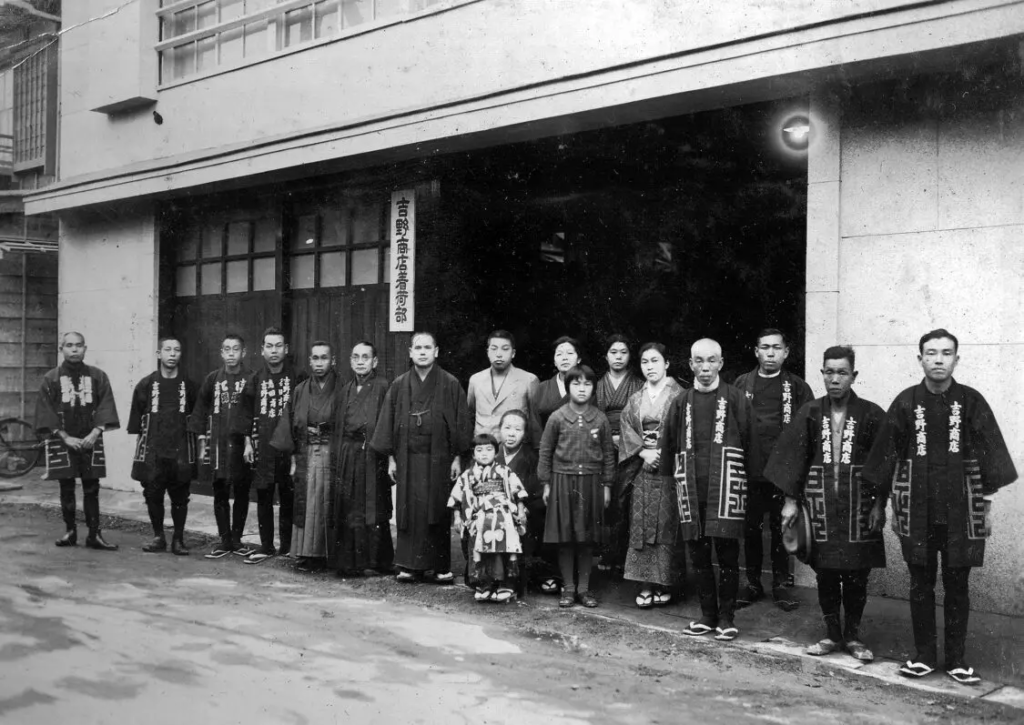
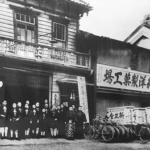
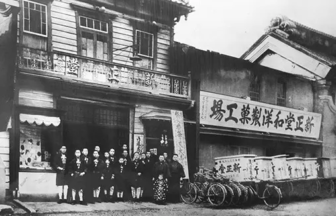
In Ansei 1 (1854), they opened at their current location as the lantern and decorative goods wholesaler “Yoshinoya Shoten.”From lantern processions for victory celebrations, flower trams, and imperial ceremonies in the past, to festival lanterns, Bon lanterns, and commercial lanterns across Japan today, they produce all kinds of hand-painted lanterns (Edo lanterns).
Wanting to play a cultural role as something closer to everyday life

Ms. Yuiko Yoshino
Eldest daughter of the seventh-generation owner of Yoshinoya Shoten
Lanterns are not the main attraction; they are meant to highlight the main attraction.I believe our true role is to meet our customers’ wishes.While lanterns are essential for events and festivals, we actively work on projects such as anime-style lanterns with characters, and children’s workshops in partnership with Chiyoda City, hoping they will become more familiar in daily life.
This Notable Item
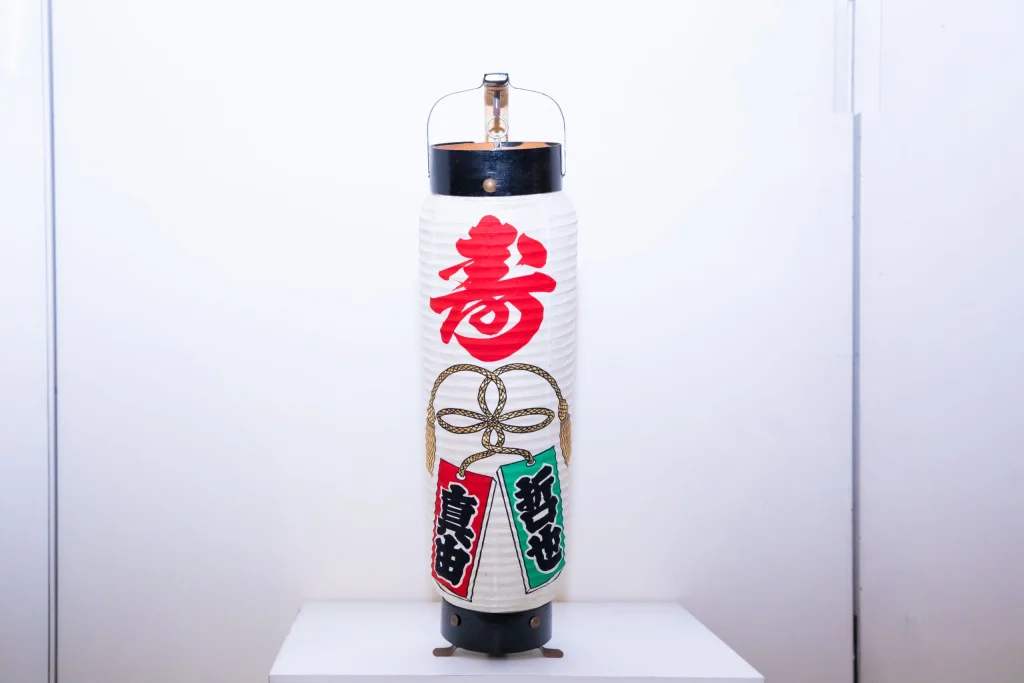
Medium Thick Yumihari
From 15,000 yen
This cylindrical lantern, about 13 cm in diameter and 50 cm in height, comes with a hook called a yumi and is popular for festivals and as a gift.Handwritten name inscription by a craftsman makes each lantern one of a kind.Options such as a handle called a fujimaki and a candle-shaped LED light are also available.
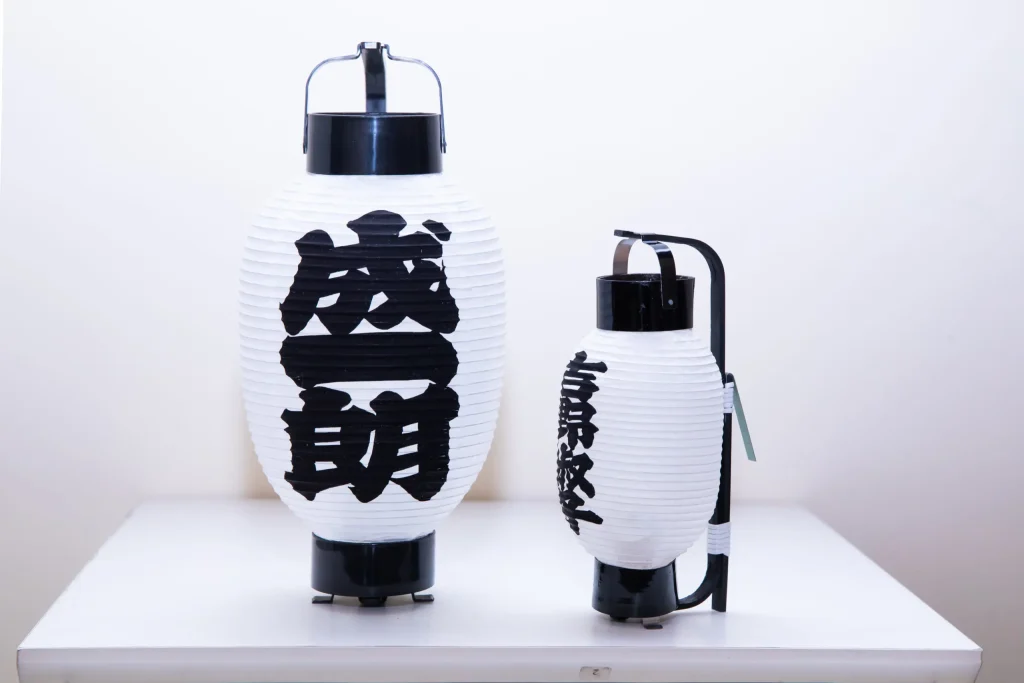
Left: No. 3 Mini, Right: No. 1 Mini
No. 3 Mini from 3,500 yen, No. 1 Mini from 2,500 yen
The small lantern “No. 3 Mini” (12 cm in diameter, 26.5 cm in height) can be enjoyed for a long time, such as by adding a baby’s name for the seventh-night celebration, decorating for the first seasonal festival, or carrying it for commemorative photos.The palm-sized “No. 1 Mini” (7.5 cm in diameter, 17.5 cm in height) can be personalized and used as a place card at parties.Guests can then take it home as a souvenir.Depending on the quantity, delivery is typically about one to three weeks after ordering.
Spot Overview
| address (e.g. of house) | |
|---|---|
| phone | |
| Business Hours | |
| regular closing day | |
| Payment Method | |
| External Links |