Toyokawa Inari Tokyo Betsuin (Akasaka, Tokyo)

temple (Buddhist)Azabu, Akasaka, Roppongi

Toyokawa Inari Tokyo Betsuin (Akasaka, Tokyo)(Toyokawa Inari Tokyo Betsuin)

letter bearing the shogun’s scarlet sealSoto school (of Zen Buddhism)Inari (god of harvests, wealth, fertility, etc.)Toyokawa Inari shrine (shrine dedicated to Toyokawa Inari)

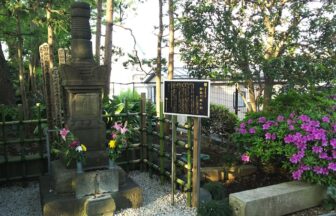
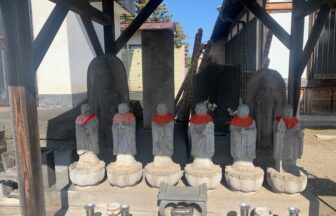
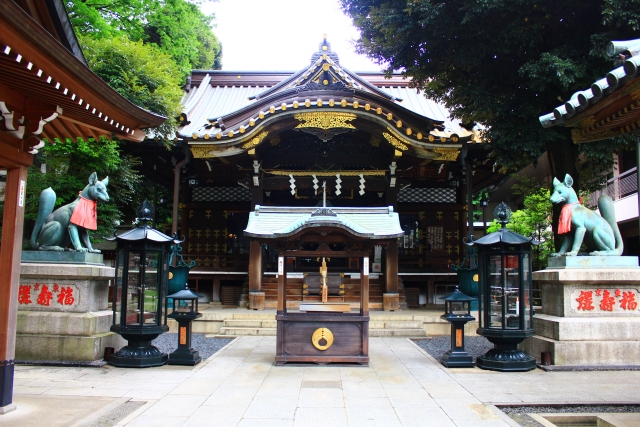
Located in Toyokawa City, Aichi Prefecture, this temple is a direct branch of Myogonji Temple (Toyokawa Inari) of the Soto sect. Dakini-shinten, enshrined as a guardian deity, is called “Toyokawa Inari” because he carries an ear of rice and is astride a white fox, and is believed by many to bring prosperity in business and a good harvest. The Dakini-Shinten of the Tokyo Betsuin enshrines the spirit of the Ooka family, known as the Ooka Koshizen-mamoru, which has been worshipped by the Ooka family for generations. During the Meiji Restoration (1868-1912), Toyokawa Inari in the Ooka residence in Akasaka Hitotsugi was donated to Toyokawa Inari in Aichi Prefecture, and in 1887 (Meiji 20), when the Ooka residence was moved to Moto-Akasaka, it became a branch temple directly under Toyokawa Inari, where it remains to this day. It is also known as “Succession Inari” in honor of Lord Ooka, who became a feudal lord from Hatamoto (feudal lord).

Spot OutlineOutline

address (e.g. of house) 1-4-7 Motoakasaka, Minato-ku, Tokyo
Access 5 minutes from Akasaka-mitsuke Subway Station, 5 minutes from Nagatacho Subway Station

phone 03-3408-3414
Business Hours 5:00〜20:00
External Links

Official Web Site

Founding and opening of business 1828 (11th year of Bunsei era)

新着・おすすめ情報

  1. Railroad starting point 0 leagues sign (Shinbashi, Tokyo)

  2. Itsukaichi Constitution Draft Monument (Akiruno, Tokyo)

  3. Because they are used on a daily basis, they should not be neglected. Ubukeya tells you how to maintain your knives.

  4. triangles of sweet rice jelly topped with adzuki beans (eaten in the sixth month)

  5. Namikaze Shrine (Tsukiji, Tokyo)

  6. Kamiya Bar, the oldest bar in Japan, well-known for its Denki Bran, and its innovations through the ages.

  7. combined off-license and pub (licence)

  8. Meaning of “buckwheat cutter

  9. Tokyo Literature Walk] No. 2: From Hongo to Sendagi via Slopes and Alleys, Touring the Former Residences of Modern Literary Greats

  10. 【第19回】家庭でも美味しく乾麺の蕎麦を茹でる方法

  11. Samurai dolls” for Dragon Boat Festival. When did they come to be displayed?

  12. Ueno, Yanaka, Nippori

  13. Daiba Park (Odaiba, Tokyo)

  14. Sohonke Sarashina Horii, a soba restaurant with a long line. The taste that they have arrived at in pursuit of the possibility of buckwheat noodle

  15. The same manufacturing method since the establishment of the company. Interview with Satoru Nakamura, the 7th generation of Shirokiya Nakamura Denbei Shoten, who weaves Edo brooms using craftsmanship passed down from generation to generation .