

temple (Buddhist)Azabu, Akasaka, Roppongi
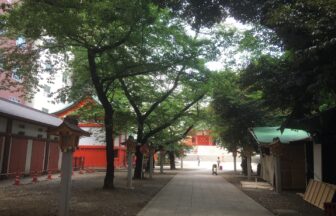
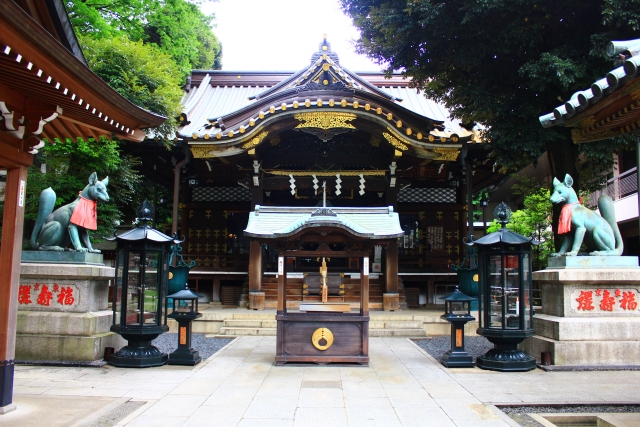
Toyokawa Inari Tokyo Betsuin (Akasaka, Tokyo)(Toyokawa Inari Tokyo Betsuin)
letter bearing the shogun’s scarlet sealSoto school (of Zen Buddhism)Inari (god of harvests, wealth, fertility, etc.)Toyokawa Inari shrine (shrine dedicated to Toyokawa Inari)
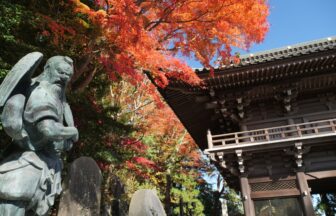
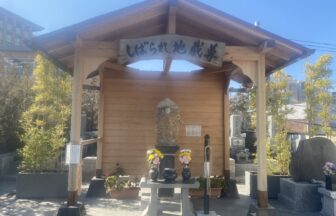
Located in Toyokawa City, Aichi Prefecture, this temple is a direct branch of Myogonji Temple (Toyokawa Inari) of the Soto sect. Dakini-shinten, enshrined as a guardian deity, is called “Toyokawa Inari” because he carries an ear of rice and is astride a white fox, and is believed by many to bring prosperity in business and a good harvest. The Dakini-Shinten of the Tokyo Betsuin enshrines the spirit of the Ooka family, known as the Ooka Koshizen-mamoru, which has been worshipped by the Ooka family for generations. During the Meiji Restoration (1868-1912), Toyokawa Inari in the Ooka residence in Akasaka Hitotsugi was donated to Toyokawa Inari in Aichi Prefecture, and in 1887 (Meiji 20), when the Ooka residence was moved to Moto-Akasaka, it became a branch temple directly under Toyokawa Inari, where it remains to this day. It is also known as “Succession Inari” in honor of Lord Ooka, who became a feudal lord from Hatamoto (feudal lord).
Spot OutlineOutline
| address (e.g. of house) | 1-4-7 Motoakasaka, Minato-ku, Tokyo |
|---|---|
| Access | 5 minutes from Akasaka-mitsuke Subway Station, 5 minutes from Nagatacho Subway Station |
| phone | 03-3408-3414 |
| Business Hours | 5:00〜20:00 |
| External Links | |
| Founding and opening of business | 1828 (11th year of Bunsei era) |