Definitions of “Daiginjo-shu” and “Junmai Daiginjo-shu” [Words Related to Sake].

Sake & Tea

Definitions of “Daiginjo-shu” and “Junmai Daiginjo-shu” [Words Related to Sake].(daiginzyousyu junmaidaiginzousyu)

Japanese rice wine

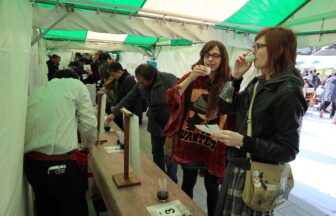
According to the National Tax Agency’s “Manufacturing Process Quality Labeling Standards for Sake,” daiginjo is defined as “sake made from white rice with a milling ratio of 50% or less of ginjo-shu and having a particularly good inherent flavor and color. Daiginjo is sake made from white rice with a milling ratio of 50% or less and made by ginjo-styling with the addition of brewing alcohol. Because the rice is polished to a lower milling ratio, it generally tends to have a clearer taste with less cloying flavors than ginjo-shu. Junmai Daiginjo-shu tends to have more rice flavor and richness because brewing alcohol is not added.

新着・おすすめ情報

  1. A Walk in Edo with Old Maps] No. 1: Traces of Ieyasu’s Urban Development and Precious Buildings in Marunouchi

  2. short sword

  3. Expressing a unique taste using ingredients that can be found anywhere. The long-established Kimuraya Honten Ningyo-yaki store’s commitment to quality

  4. Aoyama Cemetery (Minami Aoyama, Tokyo)

  5. How do you read “shicho”? What do the different expressions mean? Hina Dolls

  6. 【第10回】なぜ蕎麦は「細くて長い」が定着したのか

  7. What to do on the far shore for ancestor memorial services? What to wear, what to bring, and what to do on the day of visitation.

  8. Because they are used on a daily basis, they should not be neglected. Ubukeya tells you how to maintain your knives.

  9. underskirt (half-slip), worn under kimono

  10. What is “Katahira”? What kind of process is it? Words related to Sake

  11. With 670 years of history, yet unafraid of change. Shioze Sohonke” continues to innovate ambitiously.

  12. Uiro

  13. noodles with duck meat and Welsh onions

  14. Kawaramachi Inari Shrine (Kitasenju, Tokyo)

  15. What is the origin of the name “Gohyakumangoku,” rice suitable for sake brewing? Words related to Sake