

Shinto shrineAsakusa (department store)
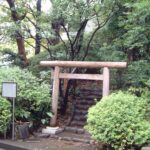
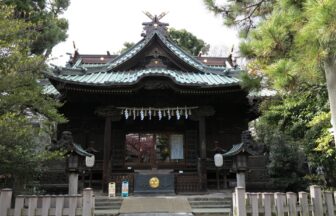
Kawaramachi Inari Shrine (Kitasenju, Tokyo)(Kawara Inarijinja Shrine)
brothel (covering up as a tea house)Seven Gods of FortuneSenju Greengrocery Marketwalkregistered cultural propertytall headed god of happiness, wealth, and long life
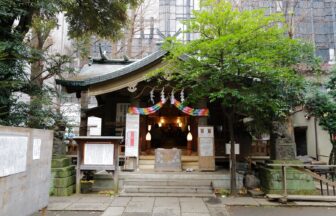
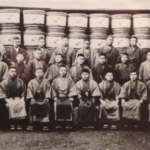
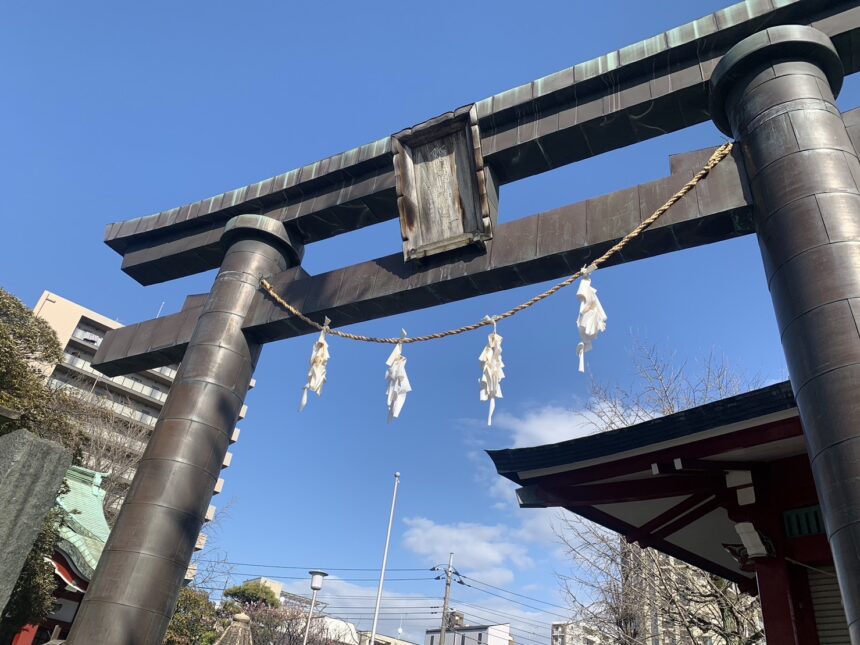
The shrine is the guardian deity of Senju Kawaramachi, and was once the guardian deity of Senju Aomono-Ichiba, one of the three largest markets in Edo (along with Kanda and Komagome) and known as “Yaccha-ba” (the market for produce). Although the date of construction is unknown due to the destruction of buildings and records in the war, it is believed to have been built around 1576, since there is a “Memorial Monument for the 330th Anniversary of Senju Aomono-Ichiba” dated 1906 in the precincts of the market. The mikoshi (portable shrine) dressed in gold and bronze, which escaped the fires of war, is registered as a cultural property of Adachi Ward. The shrine is also crowded with worshippers who make the Seven Deities of Good Fortune pilgrimage, as it enshrines Fukurokuju, one of the seven gods of good fortune.
Spot OutlineOutline
| address (e.g. of house) | 10-13 Senjukawaracho, Adachi-ku, Tokyo |
|---|---|
| Access | 2 minutes from Senju Ohashi Station on the Keisei Main Line |
| phone | 03-3888-6902 |
| Business Hours | 9:00~16:00 |
| External Links |