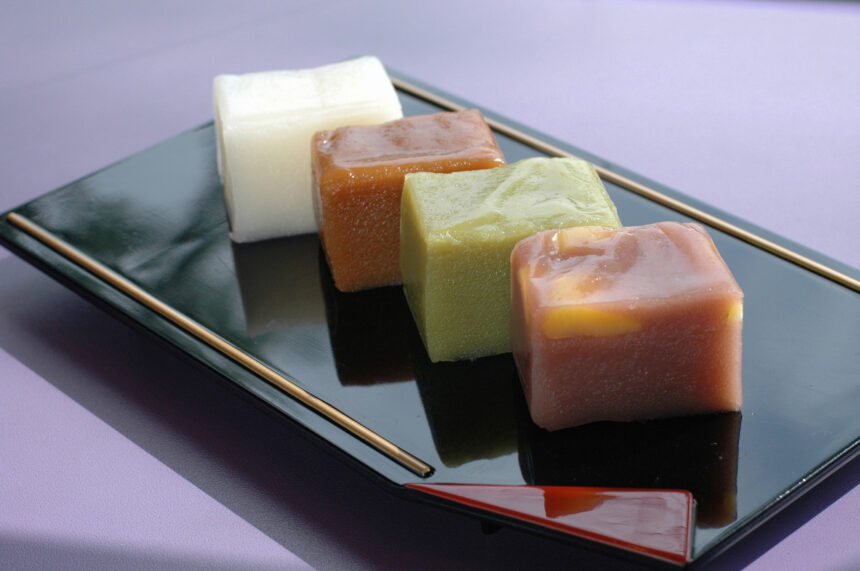
Uiro

Japanese confectionery

Uiro(Uirou)

Nagoya (city)

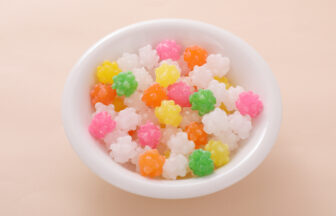
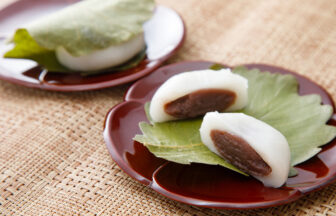
Rice or glutinous rice flour is mixed with sugar and water, kneaded, and steamed in a mold. Some gairo are made with kudzu flour or bracken flour, and are a specialty of Nagoya, Yamaguchi, Odawara, and other areas. It is usually made into necklaces, but it is also used as the dough for other wagashi such as mizunashi, eaten on June 30 during the summer purification ceremony called “Nagoshi-no-harae”.
The name comes from the name of a phlegm-cutting pill introduced from China in the Muromachi period (1336-1573). It is said that the name was given because the shape and color of the pill resembled the confectionery gairo, or because it was used as a mouthwash for the pill.
新着・おすすめ情報

  1. What does a “Hands and Feet Master” do? The series of craftsmen who make dolls

  2. Arisugawa-no-miya Memorial Park

  3. Anyone can do it by themselves! Basic yukata dressing – women’s version

  4. Katsusenji Temple Enma Opening in Kitasenju! A New Year’s tradition with stalls on the first Enma day

  5. Customer information is written down in a notebook and shared with all staff. Ginza Mikawaya’s commitment to hospitality

  6. Improving operations is the only way to face customers. What Ginza Mikawaya, a long-established Western-style restaurant in Ginza, values

  7. The ninth generation of a long-established soba restaurant teaches how to boil and taste truly delicious soba noodles

  8. A Walk in Edo with Old Maps] No. 2: Kyobashi and Ginza from the Edo Period to the Heisei Era Traced by Rivers

  9. Ruins of Musashi Kokubunji Temple

  10. Sword eyelets become one-of-a-kind accessories. Nihon Katana, a long-established store specializing in swords that you can enjoy even if you are not an enthusiast.

  11. one-piece sash

  12. temple in honor of Daikokuten

  13. What is Gunkanmaki? Origin of the name, store of origin

  14. Rinsenji Temple, Shibare Jizo (Myogadani, Tokyo)

  15. vinegared rice and sliced raw tuna wrapped in seaweed