When did the Hina Matsuri (Peach Festival) begin?

Other Traditional & Japanese Culture

When did the Hina Matsuri (Peach Festival) begin?(hinamatsuri).

Dolls’ Festivalpeach festival

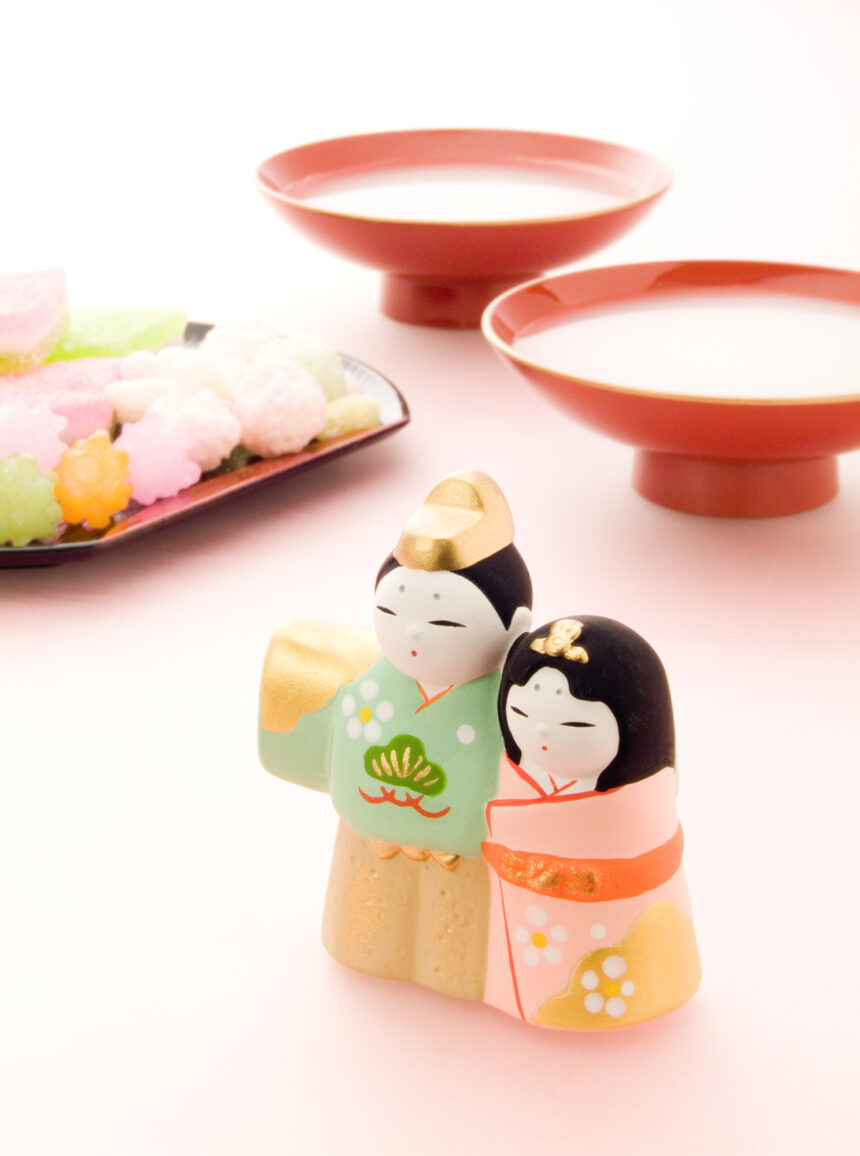
It is also called Joushi-no-Sekku or Momo-no-Sekku (Peach Festival). There are various theories about the origin of Hinamatsuri, but it is believed to be a fusion of the custom of entrusting misfortunes to “hitokata” (dolls) and throwing them into the river, Hiina-asobi (a game played with a pair of small paper dolls, male and female) in the Heian period, and Kami-no-Sekku on March 3 (when people used to transfer dirt from their bodies to dolls to ward off bad luck). In the Edo period (1603-1867), the event became a festival to wish for the healthy growth of girls. Hina dolls and peach blossoms are decorated and celebrated with water chestnuts, hina arare (sweetened rice cakes), and white sake.

新着・おすすめ情報

  1. Setagaya Daikan Yashiki

  2. (silk) crepe

  3. 【第3回】蕎麦の香りを楽しめる蕎麦メニューとは

  4. You can do it yourself! How to Tie a Yukata Obi – Bunko Knot

  5. Oji Shrine (Oji, Tokyo)

  6. Tokyo Grand Shrine

  7. Why Sarashina Soba is pure white? Pride in preserving the traditional Sarashina Soba with Onshochi Soba Soup and traditional Sarashina Soba Noodles

  8. soup served at the end of a traditional Japanese dinner

  9. Ruins of the Tokugawa family residence of the Kii Wakayama domain (Kioicho, Tokyo)

  10. Railroad starting point 0 leagues sign (Shinbashi, Tokyo)

  11. 浅草

  12. What are the characteristics of “Tailings”? Words related to sake

  13. I was a junior high school student when I made up my mind. The determination of the fifth generation to run Japan’s oldest bar, Kamiya Bar.

  14. Tokyo Literature Walk] No. 2: From Hongo to Sendagi via Slopes and Alleys, Touring the Former Residences of Modern Literary Greats

  15. Interview with Kotaro Ishikawa of Ishikawa Tortoiseshell Works, a company that connects traditional Edo tortoiseshell techniques and further promotes the Edo Tokyo brand .