Habutae mochi

Japanese confectionery

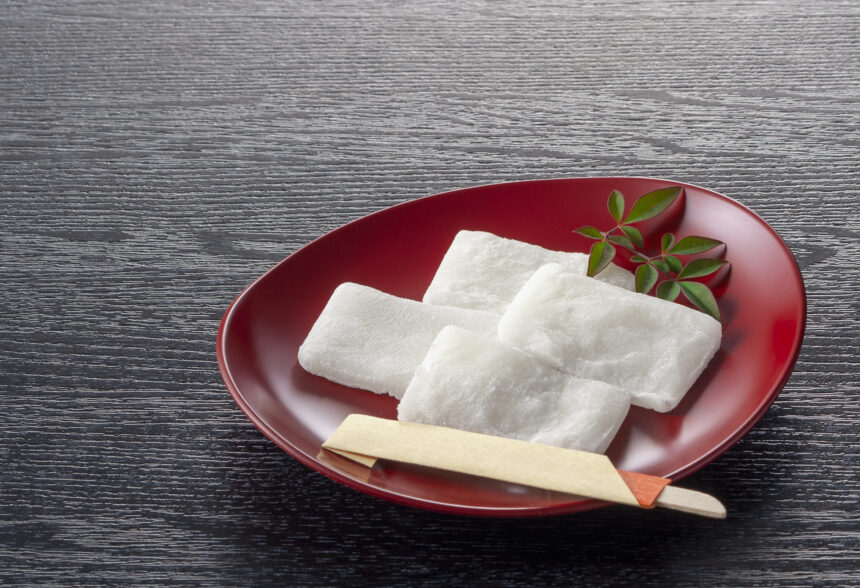
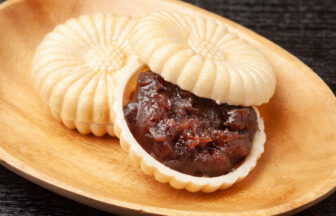
Habutae mochi(habutaemochi)

mochi (glutinous rice or other grain, sticky enough to make mochi rice cakes)Fukui prefecture (Hokuriku area)

Gyuhi is a soft, strip-shaped confection made by steaming glutinous rice flour and kneading it with starch syrup and sugar. It is characterized by its smooth and fine texture like “Habutae,” a plain-weave silk fabric made of warp and weft yarns without weft. It is a specialty of Fukui City, Fukui Prefecture, and is said to have originated in 1847 when a Japanese confectionary store that served the Matsudaira family of the Echizen Fukui Domain created this confectionary in the image of Habutae, a local specialty, and presented it to the domain lord.

新着・おすすめ情報

  1. Samurai dolls” for Dragon Boat Festival. When did they come to be displayed?

  2. 【老舗ご当主・識者と歩く】日本推しラトビア人アルトゥルさんと虎ノ門−新橋の老舗をめぐる

  3. Hanazono Shrine

  4. very common way of tying a woman’s kimono sash

  5. kokeshi doll

  6. Why is the oak in “Kashiwa-mochi” said to symbolize the prosperity of descendants?

  7. Shirokiya Denbei, a long-established shop of all-natural, 99% handmade Edo-style brooms. Why has the tradition been preserved for nearly 200 years?

  8. Jiyu Gakuen Asutumu-kan (Ikebukuro, Tokyo)

  9. Koami Shrine (Ningyocho, Tokyo)

  10. I was a junior high school student when I made up my mind. The determination of the fifth generation to run Japan’s oldest bar, Kamiya Bar.

  11. Shukusen, a dyed kimono store for yukata and Edo komon. What is the pride and confidence in the words “Shukusen Kansei”?

  12. What is meant by “santai zorai” offered for the May dolls?

  13. special brewing

  14. Can you guess what are the five colors of the “fukiage” that is attached to the top of the carp streamer?

  15. Manju, Monaka, Daifuku, etc.: Manners for Eating Wagashi without Worrying about Public Appearances Anymore