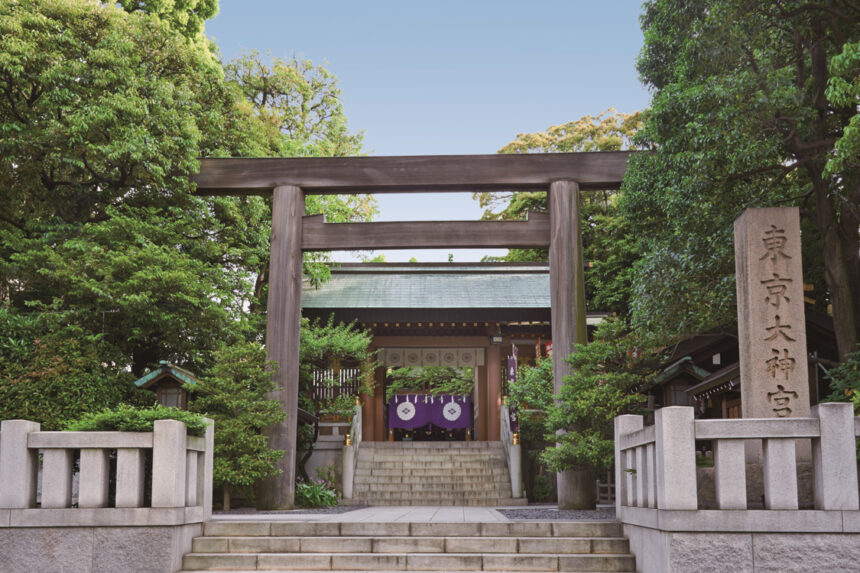
Tokyo Grand Shrine

Shinto shrinefield affiliated with a shrine (the tax-exempt proceeds of its harvest going to pay for shrine operations)

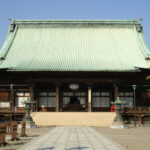
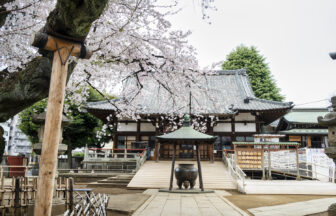
Tokyo Grand Shrine(Tokyo-daijingū)

marriage

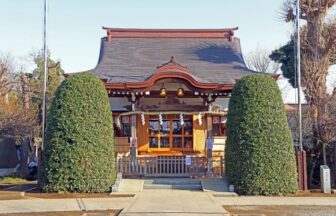
It was founded in 1880 (Meiji 13). After the Great Kanto Earthquake of 1923, it was moved to its current location in 1928 and renamed Iidabashi Daijingu (Iidabashi Grand Shrine). It is also called the “Ise Shrine of Tokyo” because it enshrines Amaterasu-Okami and Toyoke-Okami, the deities of the Ise Jingu Shrine. The shrine is famous as the originator of Shinto wedding ceremonies for the general public, and is also known for its blessings for marriage.

Spot OutlineOutline

address (e.g. of house) 2-4-1 Fujimi, Chiyoda-ku, Tokyo
Access 5 min. from JR and Subway Iidabashi Sta.

phone 03-3262-3566
Business Hours 6:00 – 21:00 (Hours of worship)
regular closing day nashi (Pyrus pyrifolia, esp. var. culta)
External Links

Official Web Site

Founding and opening of business 1880 (13th year of Meiji)

新着・おすすめ情報

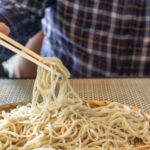
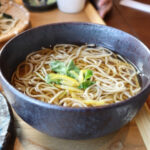
  1. Sohonke Sarashina Horii, a soba restaurant with a long line. The taste that they have arrived at in pursuit of the possibility of buckwheat noodle

  2. Meaning of “Unaju” and “Unadon”. What’s the difference?

  3. Why is the oak in “Kashiwa-mochi” said to symbolize the prosperity of descendants?

  4. piece placed to block opponent’s check (shogi)

  5. Zenjoan (Yanaka, Tokyo)

  6. end of the year

  7. Tokyo National Museum

  8. revitalization

  9. The difference between a yukata used as pajamas and a yukata worn to a fireworks display, which only a Japanese person can understand.

  10. When is the day of the Ox in 2023? What is the origin and the reason for eating eels?

  11. A Walk in Edo with Old Maps] No. 2: Kyobashi and Ginza from the Edo Period to the Heisei Era Traced by Rivers

  12. sweet burdock and miso-bean paste covered with a thin layer of mochi

  13. A parting gift for someone who is retiring or moving on. What is the market price, how to choose, and what is the etiquette for giving gifts?

  14. pongee (soft thin cloth woven from raw silk)

  15. Tokyo Metropolitan Teien Art Museum