Old Furukawa Garden (Komagome, Tokyo)

Parks & GardensconstructionIkebukuro/Akabane

Old Furukawa Garden (Komagome, Tokyo)(Kyu-Furukawa gardens)

rosenational designationgardenpond in a gardenwalk

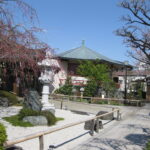
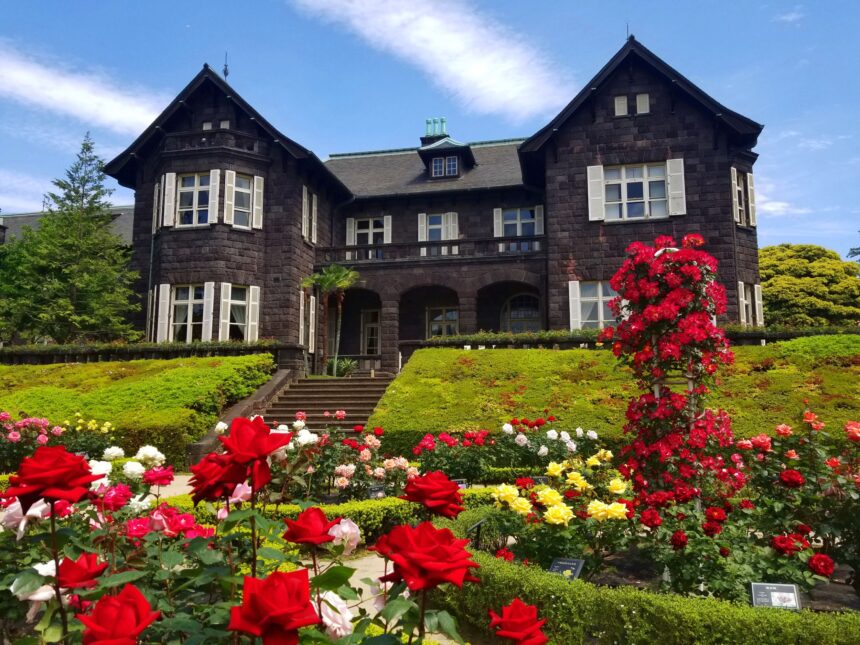
The garden was opened in 1956 as a metropolitan garden with a Western-style building, a Western-style garden, and a Japanese garden, and is a nationally designated place of scenic beauty. The Western-style building and garden were designed by Englishman Dr. Josiah Conder, and the Japanese garden was created by Jihei Ogawa. The garden was formerly the residence of Mutsu Munemitsu and was owned by the Furukawa family until 1919. The Western-style garden combines the techniques of a French-style garden and an Italian-style open-air garden, and is famous for its roses. The Japanese garden is a pond garden with a central pond, Shinji Pond, a dry waterfall, a large waterfall, and a central island.

Spot OutlineOutline

address (e.g. of house) 1 Nishigahara, Kita-ku, Tokyo
Access 7 minutes from JR Kaminakazato Station

phone 03-3910-0394 (garden), 03-3910-8440 (Western-style building and tea ceremony room)
Business Hours 9:00-17:00 (admission at 16:30), see website for Western-style buildings
regular closing day Year-end and New Year’s holidays, Western-style buildings are closed irregularly
External Links

Official Web Site (Garden)Official website (Western-style building and tea ceremony room)

Founding and opening of business 1956

新着・おすすめ情報

  1. Types of “Hina Dolls.” What are the characteristics of their costumes?

  2. What is meant by “santai zorai” offered for the May dolls?

  3. Kawaramachi Inari Shrine (Kitasenju, Tokyo)

  4. Chinzan Villa

  5. neckpiece (on a kimono)

  6. triangles of sweet rice jelly topped with adzuki beans (eaten in the sixth month)

  7. brewing

  8. ratio indicating the quantity of polished rice gained from a given quantity of brown rice (nowadays usually expressed as a percent)

  9. Why is “Koinobori” carp? The reason is said to be based on Chinese folklore.

  10. Gotokuji Temple (Setagaya, Tokyo)

  11. traveling clothes

  12. metal collar mounted between a sword blade and the hand guard

  13. Interview with Kotaro Ishikawa of Ishikawa Tortoiseshell Works, a company that connects traditional Edo tortoiseshell techniques and further promotes the Edo Tokyo brand .

  14. Musashi Fuchu Kumano Shrine Tomb (Fuchu, Tokyo)

  15. Selecting the best materials for each application and finishing them with craftsmanship: the pride of the long-established “Edoya”, which has been in business for 300 years, in the creation of brushes and bristle brushes.