ratio indicating the quantity of polished rice gained from a given quantity of brown rice (nowadays usually expressed as a percent)

Sake & Tea

ratio indicating the quantity of polished rice gained from a given quantity of brown rice (nowadays usually expressed as a percent)(seimaibuai)

Japanese rice wine

The percentage of rice remaining after the surface layer of brown rice is removed, expressed as a percentage. For example, a milling ratio of 60% means that 40% of the top layer of brown rice is removed. Edible rice is white rice with a milling ratio of about 92%, while rice used for sake is generally white rice with a milling ratio of 75% or less. Furthermore, for daiginjo, the ratio is 50% or less. In sake brewing, the surface layer of rice is considered to be the source of miscellaneous flavors, and the unnecessary surface layer is polished so as not to spoil the sake’s aroma. Sake with a low rice polishing ratio is clear and easy to drink, while sake with a high rice polishing ratio offers richness, umami, and depth of flavor.

新着・おすすめ情報

  1. light broth made of jellied sweet bean paste

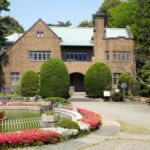
  2. Shinjuku Gyoen

  3. clothing (e.g. kimono) decorated with one’s family crest

  4. well-established

  5. A Walk in Edo with Old Maps] No. 2: Kyobashi and Ginza from the Edo Period to the Heisei Era Traced by Rivers

  6. What is the meaning behind the three colors of “Hishimochi”? Hina Doll Decorations

  7. lay or stretch out to dry

  8. 【第12回】「手打ち」というだけで蕎麦は美味しいわけではない

  9. You can do it by yourself! How to tie a yukata obi – Butterfly knot

  10. Oshima tsumugi weave

  11. buckwheat mash (buckwheat flour in hot water served with shoyu)

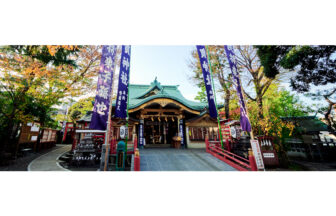
  12. Toyokawa Inari Tokyo Betsuin (Akasaka, Tokyo)

  13. kokeshi doll

  14. Togenuki Jizoson Takaiwanji Temple (Sugamo, Tokyo)

  15. Aoyama Cemetery (Minami Aoyama, Tokyo)