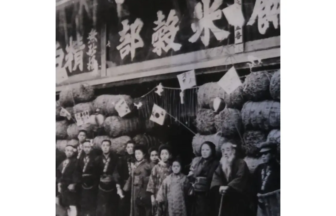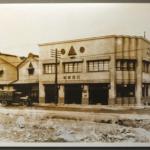


Founded in 1880 (Meiji 13)
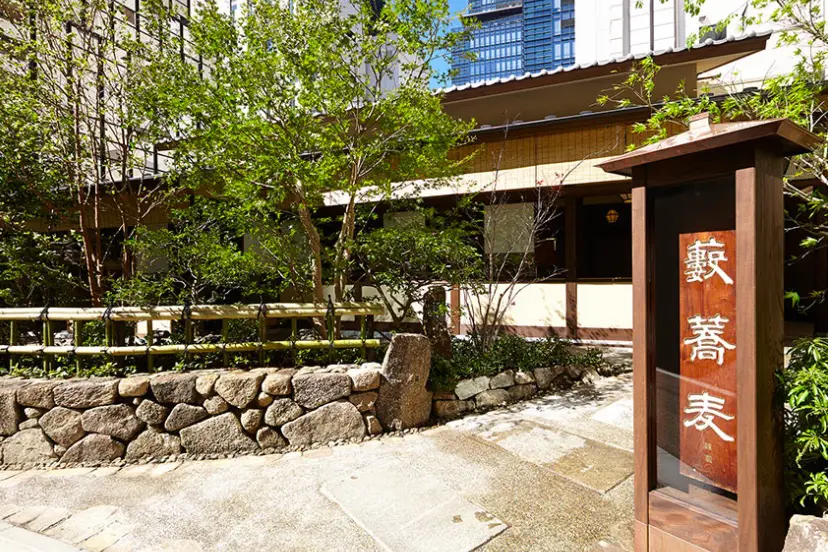
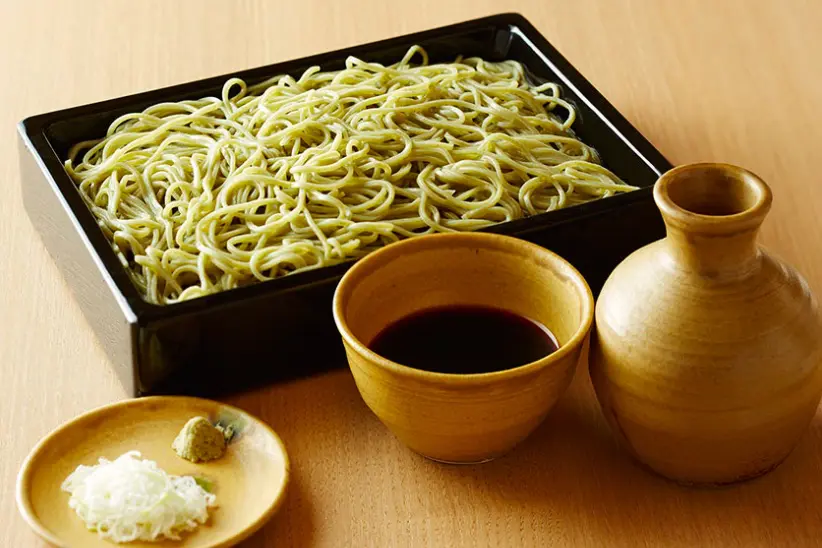
Enjoy seasonal flavors at a soba shop that has continued since the Meiji era
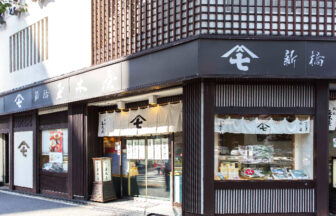
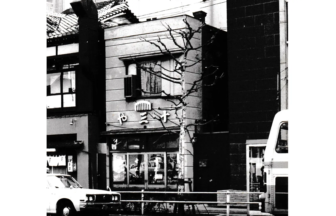
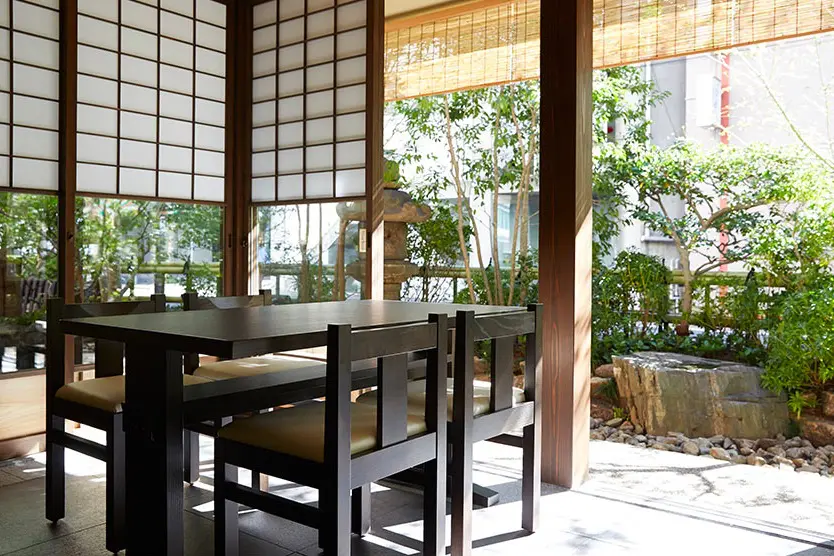
This famous soba restaurant has been run for five generations since the Meiji era. In 2014 (Heisei 26), the building was rebuilt with more table seating and improved barrier-free access. With the motto “Delicious soba, pleasantly,” they offer a wide variety of dishes including “Seiro Soba” and seasonal limited soba made with fresh ingredients. They use top-quality buckwheat flour, mainly from Hokkaido. The ratio of 10 parts buckwheat flour to 1 part wheat flour gives the noodles a smooth and pleasant texture. The soba dipping sauce is a dry-style blend of kombu broth and bonito broth. Private rooms for course meals are also available, making it useful for business meetings, memorial gatherings, and other important occasions.
History
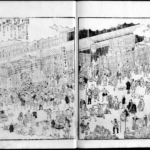
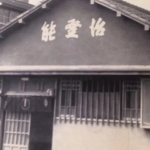
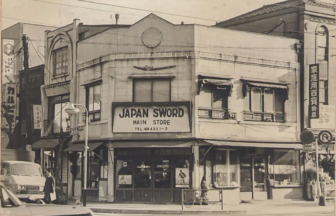
Kanda Yabu Soba began in 1880 (Meiji 13) when the first owner received a branch license from the main “Yabu Soba” in Hongo Dangozaka. Aiming to create an elegant soba restaurant, the founder introduced features uncommon at the time, such as table seating and a refined courtyard, earning a reputation as a distinguished and unique soba establishment.
This Notable Item
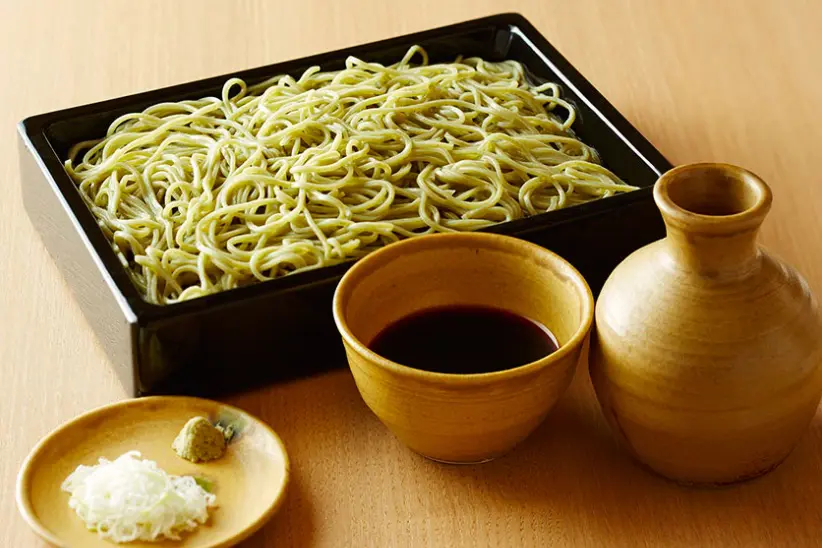
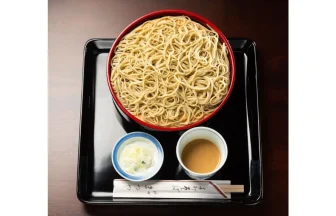
Seiro Soba
825 yen
Enjoy smooth soba with a dry dipping sauce
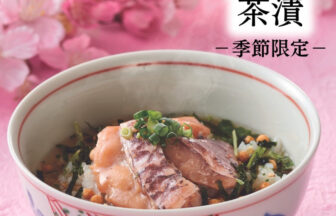
The smooth, slightly pale-blue soba is its signature feature. Because the dipping sauce is dry and strong, the Kanda Yabu Soba style is to dip only half of the noodles. Their seasonal dishes using fresh ingredients are also well regarded.
Spot Overview
| address (e.g. of house) | |
|---|---|
| phone | |
| Business Hours | |
| regular closing day | |
| Payment Method | |
| External Links |