

Founded in Tenshō 18 (1590)
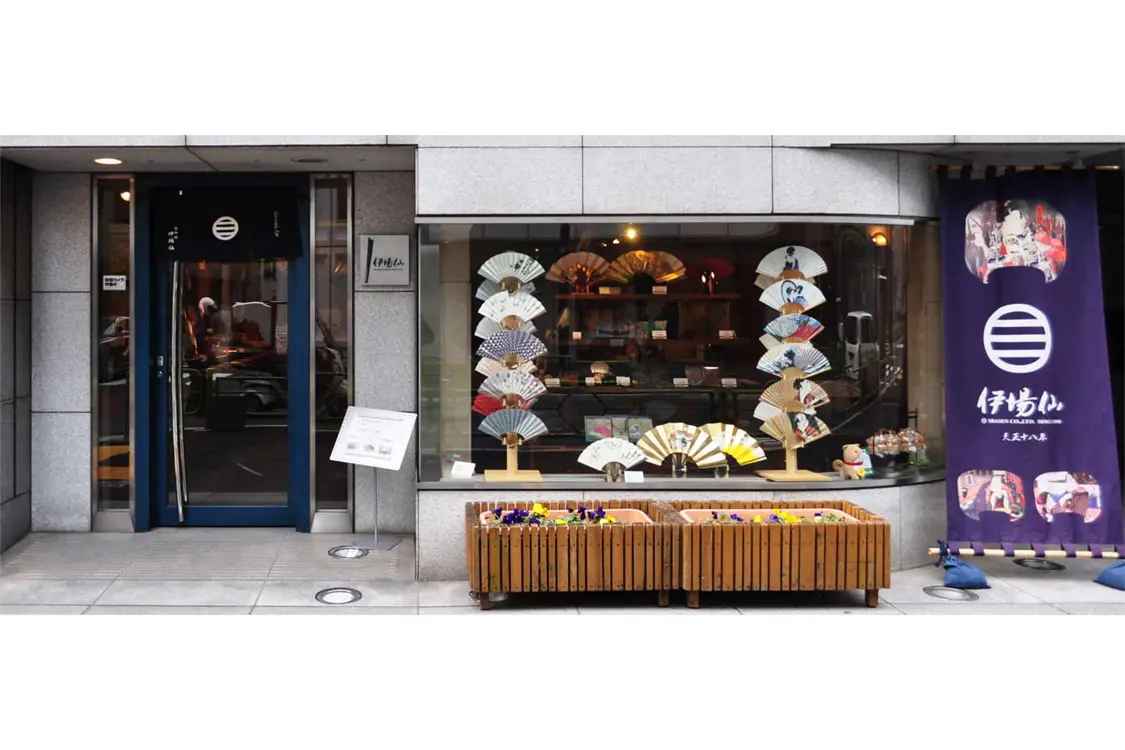
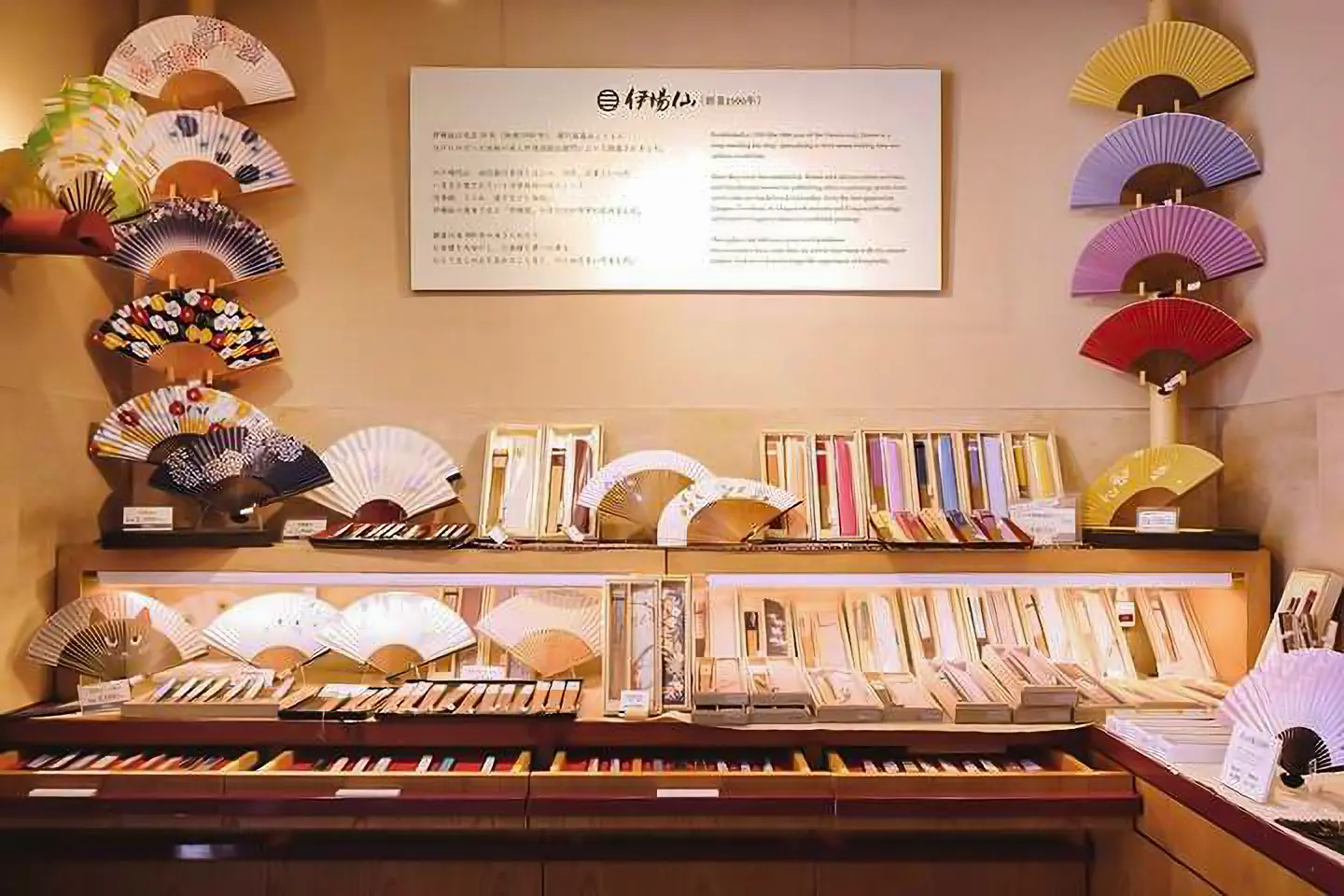
Chic designed fans and folding fans that have long been loved by Edo locals
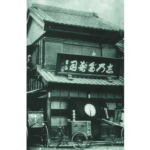
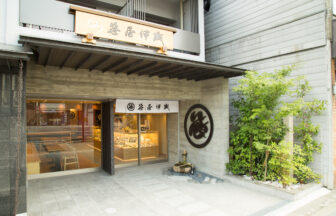
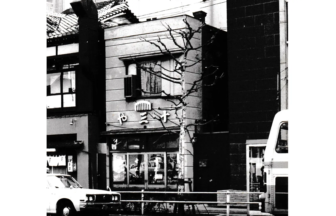
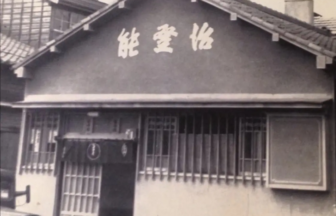
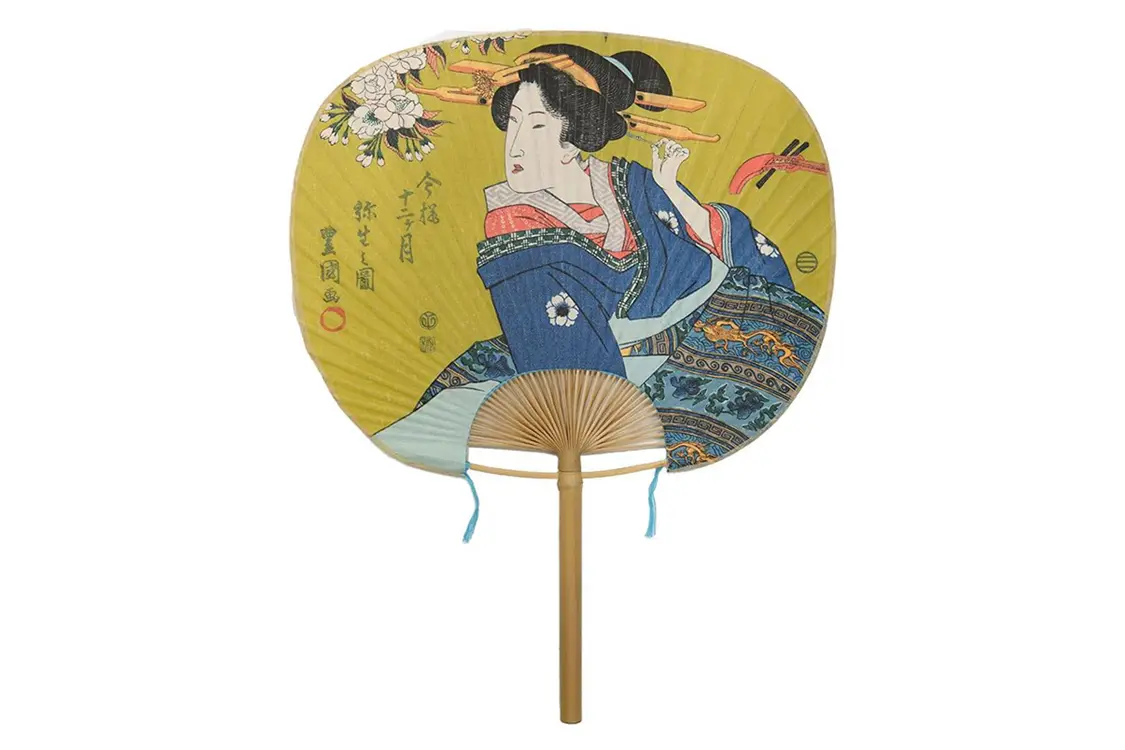
Located in Nihonbashi, Tokyo, mainly selling fans and folding fans, along with Japanese stationery and general Japanese goods.They handle a wide variety such as Edo sensu, Shikebiki sensu, Kanni-shoku shibu sensu, Edo uchiwa, and Miyako uchiwa.なEspecially notable are the Edo folding fans, featuring chic and bold patterns such as small-print patterns, stripes, animals, and characters, made with fewer ribs and thick main ribs.まAlso, Edo round fans made using ukiyo-e commissioned by Ibasen from famous ukiyo-e artists and crafted from a single split bamboo have long been loved by Edo locals for their stylish designs.
For Edo folding fans and some other fans, it is possible to have a name added.A calligrapher writes the name by hand, and the product is delivered in about two weeks.
A walkway on the right side of the shop also leads to the “Ibasen Ukiyo-e Museum.”It exhibits reproductions of ukiyo-e and fan artwork published by Ibasen, as well as works by modern artists themed around traditional performing arts and culture.
History
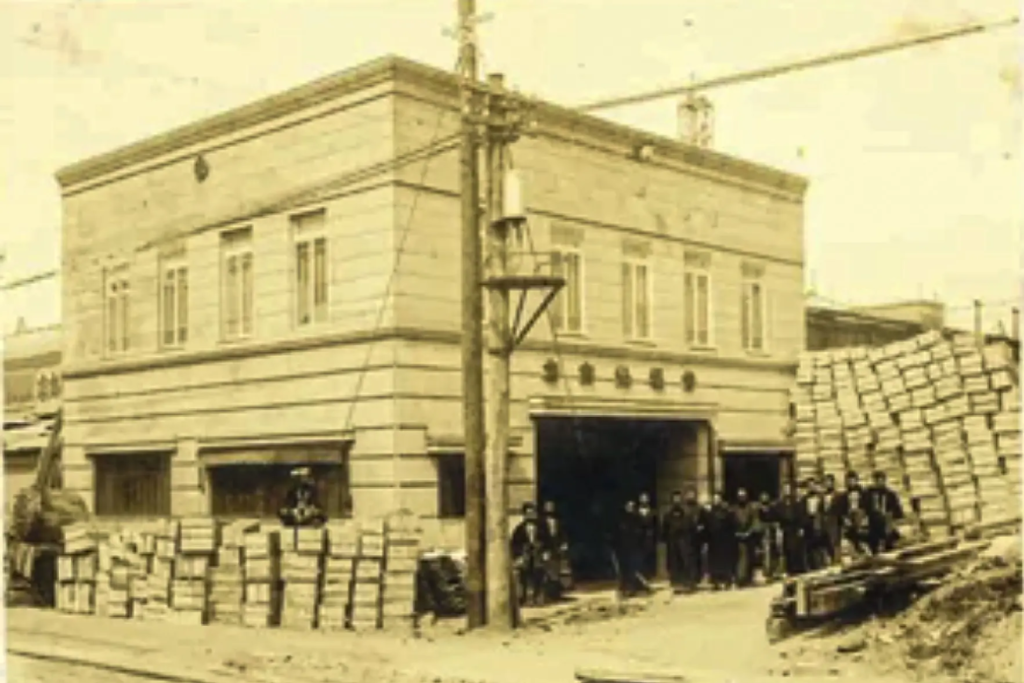
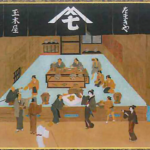
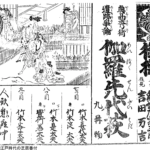
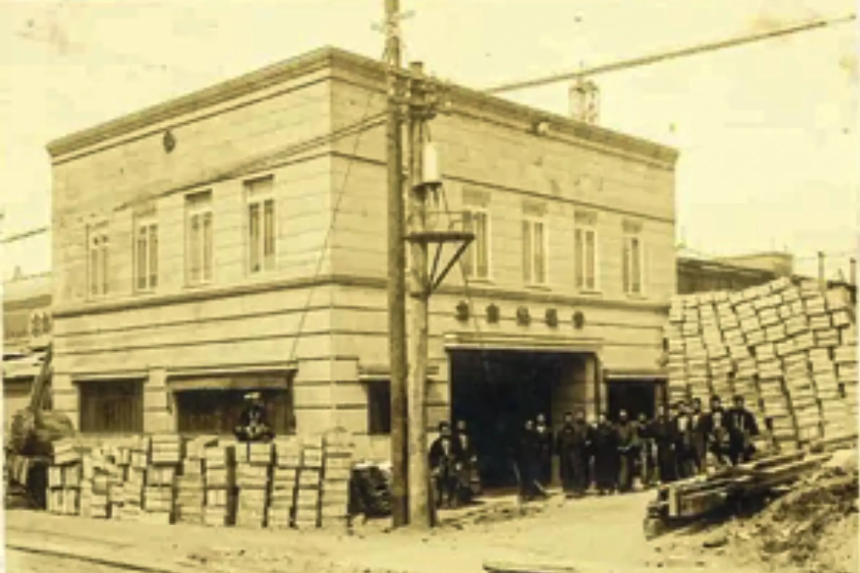
The first Ibayaya Kanzayemon was born in Okazaki, Mikawa Province, and moved to Edo in Keichō 8 (1603) together with Tokugawa Ieyasu’s entry into Edo.He began a business dealing in Japanese paper and bamboo and eventually became an official purveyor to the shogunate.From the mid-Edo period, they also began producing fans.In the late Edo period, they became the publisher for popular ukiyo-e artists such as Utagawa Toyokuni I, Kuniyoshi, and Hiroshige, printing ukiyo-e on fans for sale, which made the name Ibasen famous throughout Edo.Since the exact founding year is unknown, the founder’s birth year (Tenshō 18 / 1590) is used as the official founding year.
This Notable Item
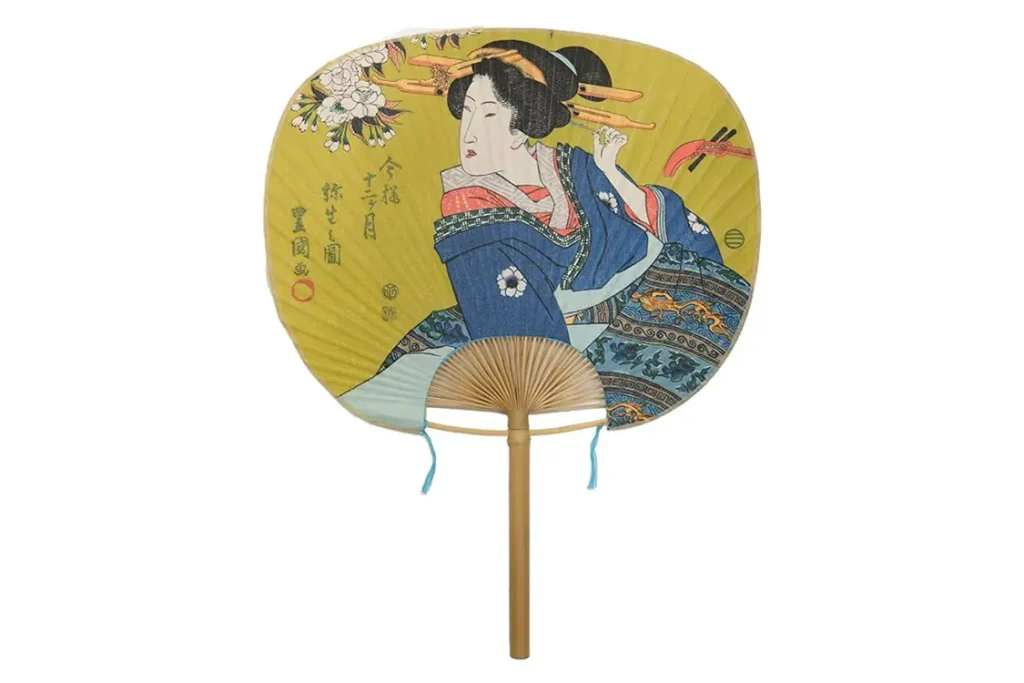
“Edo Uchiwa – Modern Twelve Months – Toyokuni – Yayoi (Third Lunar Month)”
5,500 yen
Created by Ibasen in Bunsei 5 (1822) as a multicolored fan print, drawn by Utagawa Toyokuni I.This product is newly printed and produced by Ibasen using the only surviving original woodblock.In addition to Toyokuni, multicolor fan prints by Kuniyoshi and Hiroshige are also available.
Spot Overview
| address (e.g. of house) | |
|---|---|
| phone | |
| Business Hours | |
| regular closing day | |
| Payment Method | |
| External Links |