

Founded in Tenpō 13 (1842)
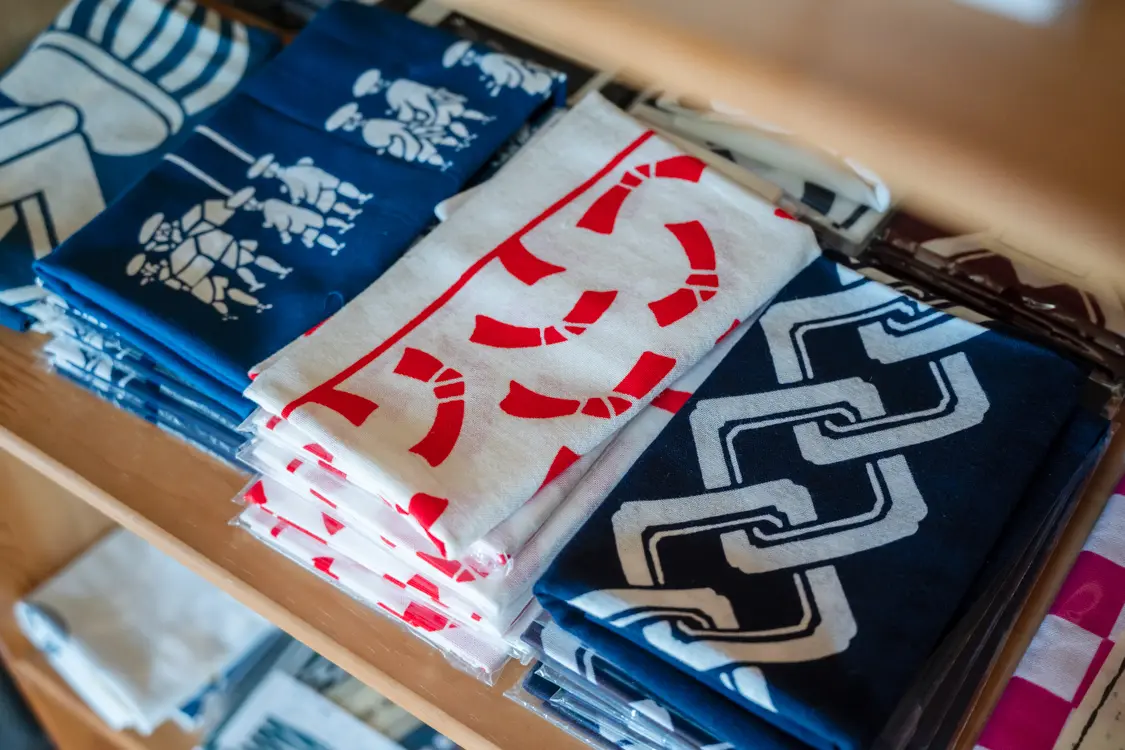
A dyeing house for komon and yukata admired by kimono enthusiasts.
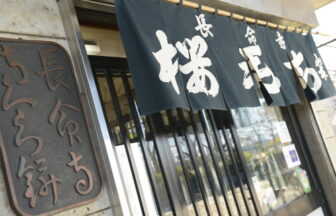
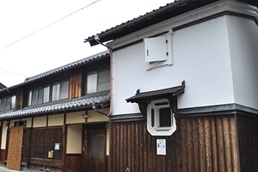
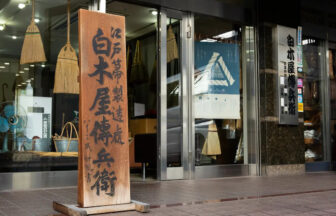
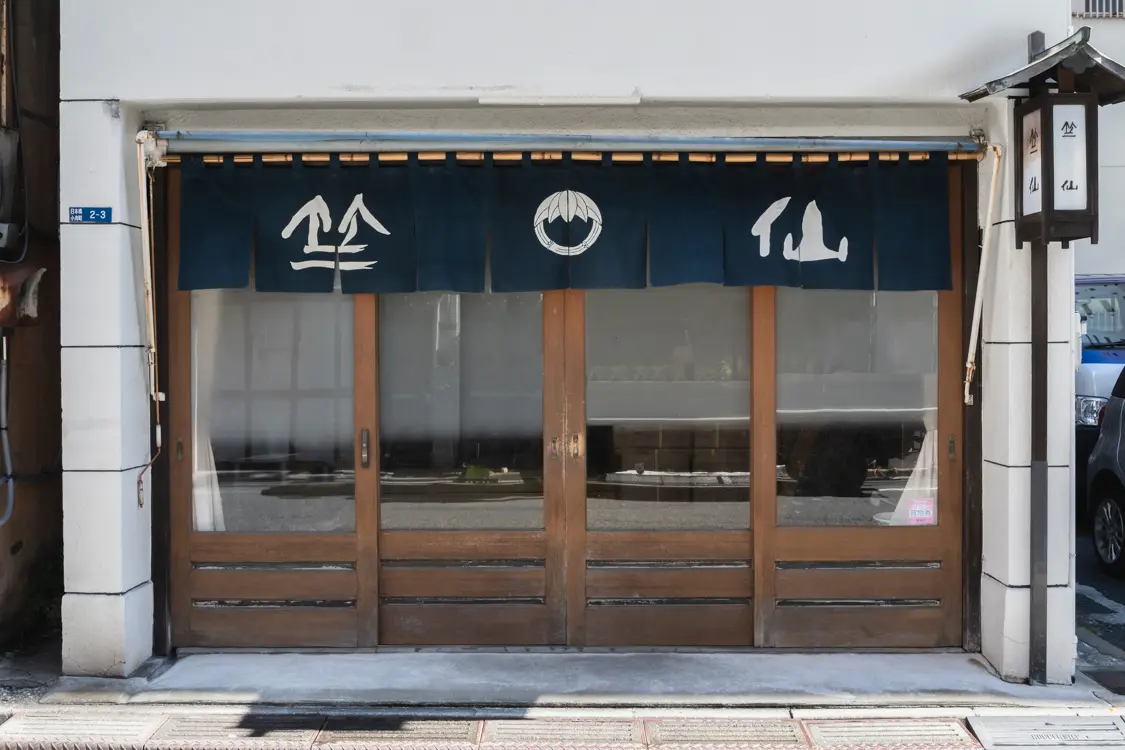
For kimono lovers, Chikusen is a major yukata brand and a synonym for exceptional dyeing and design.The Chikusen main store in Nihonbashi Kobuna-chō is where you can experience the full range of Chikusen items, showcased as special selections in department stores and kimono shops.Open the wooden sliding door and pass under the noren marked with the two characters “Chikusen,” and a special tailoring experience begins.
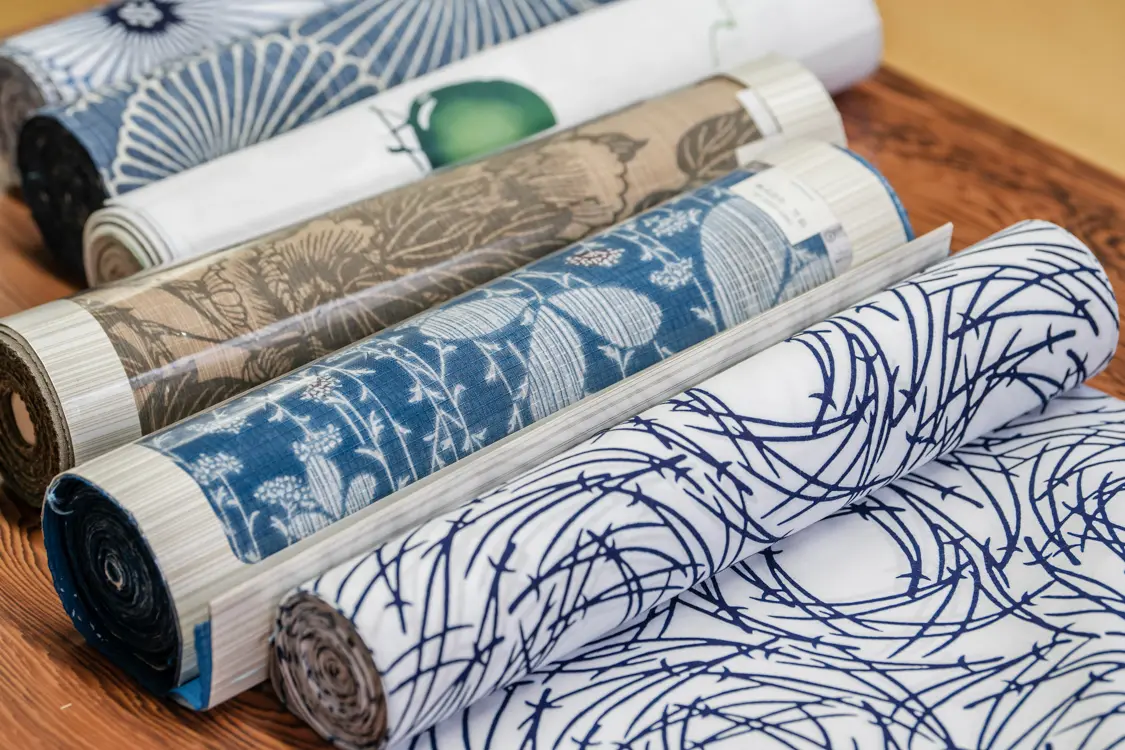
Take off your shoes, step up onto the raised floor, and head to the small tatami room on the second floor.Here, knowledgeable staff select bolts of fabric that seem to suit you from among many options and spread them out one after another.While learning about fabric characteristics, pattern meanings, and dyeing methods, you choose your one unique piece, and they handle measuring and tailoring arrangements.
First comes the fabric.For example, well-known yukata fabrics such as cotton combed and cotton kōbai were developed by Chikusen to achieve vivid dyeing, comfort, and beautiful appearance.Next is the design.Many designs reflect Chikusen’s refined aesthetic, created with careful respect for master brushwork.Perhaps because of that—It is said that many early-Shōwa designs are warmly received by today’s younger generation as well.And then, the craftsmanship.Craftspeople who create the paper stencils, artisans who dye, and masters of color arrangement.Bringing out each artisan’s skill, combining techniques, and raising the quality of products is possible only because they truly understand the value of craftsmanship.
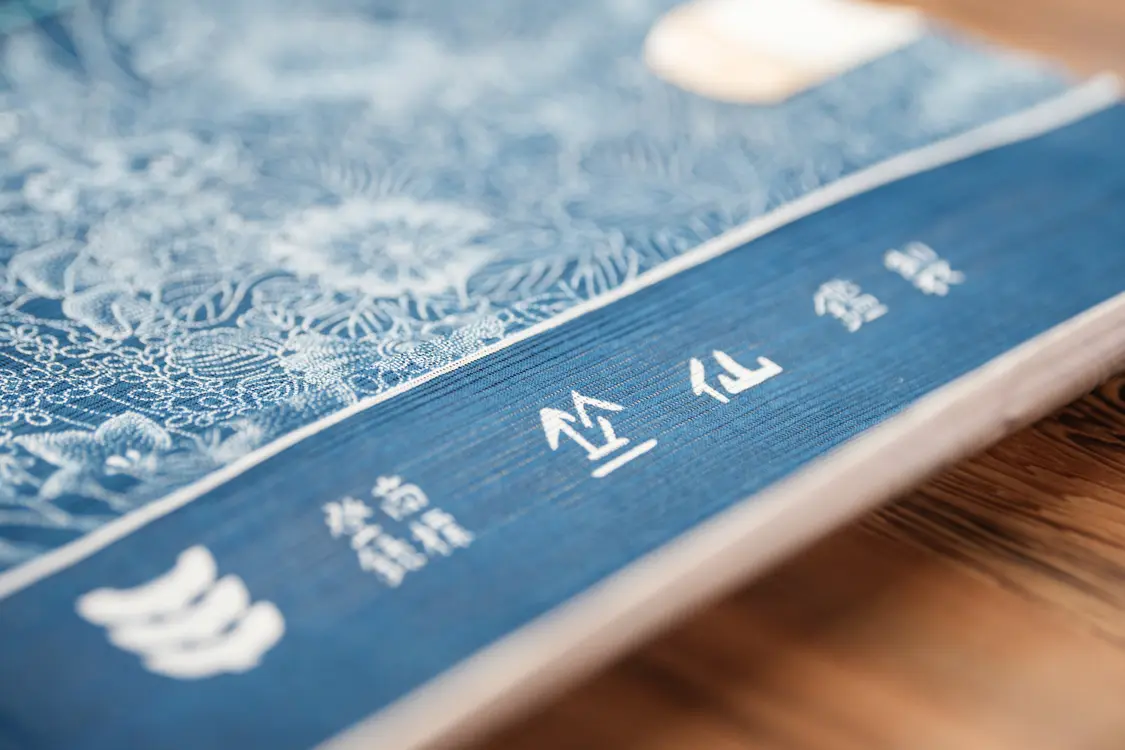
Did you know that the selvage of Chikusen’s fabric bolts features a blue line called an “earmark,” and that the tail end of every bolt is always dyed with the words “Chikusen Kansei”?The character「鑑」expresses the intention to create products that serve as true models and standards.It represents Chikusen’s pride in craftsmanship and their determination to take full responsibility for their products.
History
Founded in Tenpō 13 (1842).Using Edo-period dyeing techniques, they became known as a dyeing house for yukata and Edo-komon.The stencil-dyed yukata adopted by the founder Sennosuke were worn by literary figures and kabuki actors he associated with, and Chikusen yukata became a huge trend in Edo.Stylish textile designs based on paintings by Japanese artists active from the Edo to Meiji eras—who were also close acquaintances—became possible to mass-produce by chūsen dyeing in the Meiji era, leading Chikusen yukata to be distributed nationwide.From its founding to today, they have insisted on handmade craftsmanship and original production, making them a company that has shaped the history of modern yukata.
Discover the “Edo beauty” that is admired worldwide.
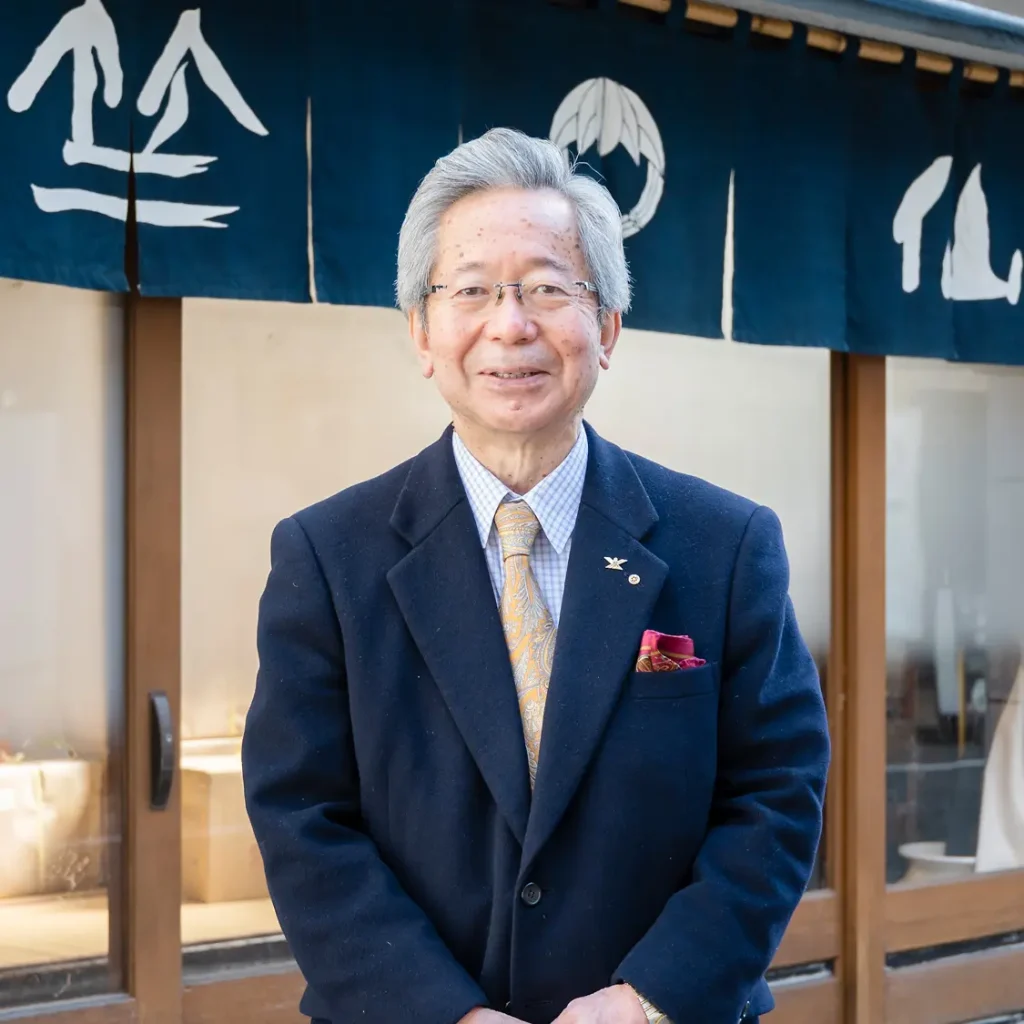
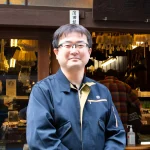
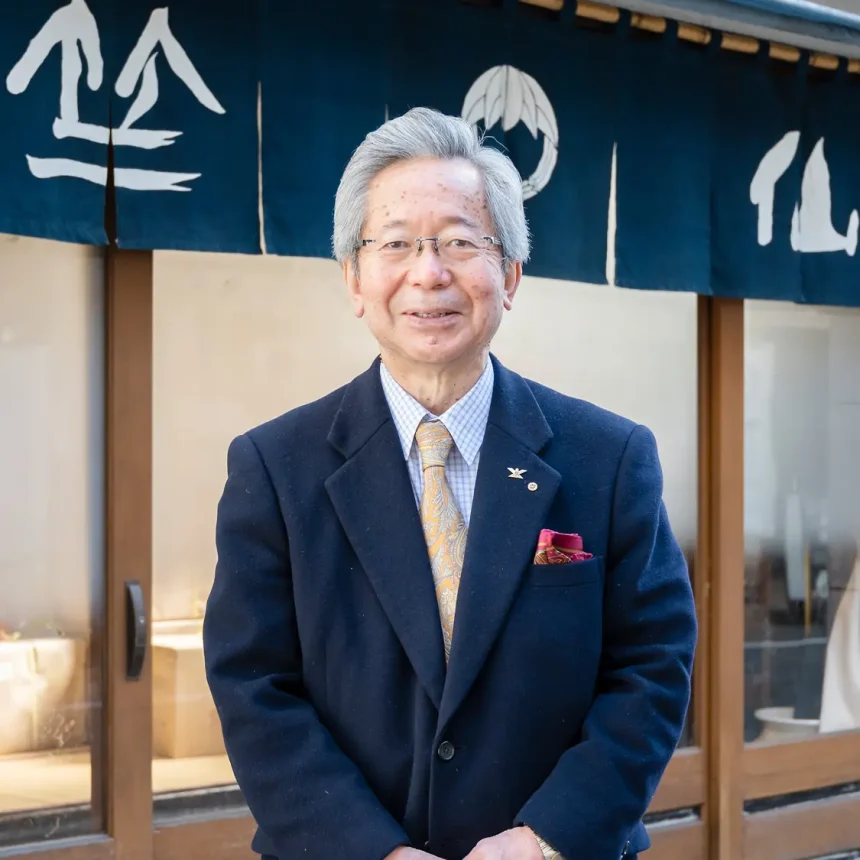
Mr. Fumio Ogawa
Fifth-generation head of Chikusen
I am confident that if you visit the Chikusen main store, you will encounter the one item you can say is unquestionably the best for you.A yukata tailored to your own measurements provides a comfort you can feel only when wearing it.I sincerely hope you will wear one tailored just for you.
This Notable Item
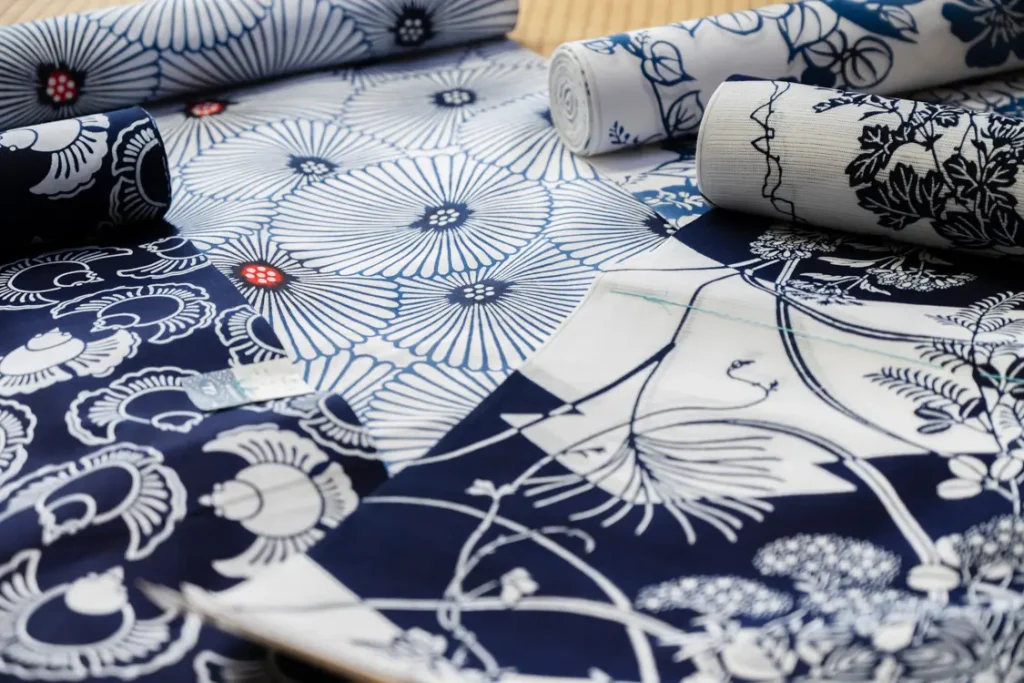
Combed-cotton dyed yukata, cotton ro yukata
A classical yukata made with chūsen dyeing, where paste is applied along the stencil and dye is poured in.The shaded accent color called “tamamushi” is a technique created by hand.The original combed cotton fabric created by Chikusen’s third head, in pursuit of higher quality and perfect dyeing finish, highlights the dye beautifully and enhances one’s appearance.Learning about fabric characteristics—such as cotton ro with its cool transparency created by combining plain weave and twisted weave—makes choosing a yukata even more enjoyable.
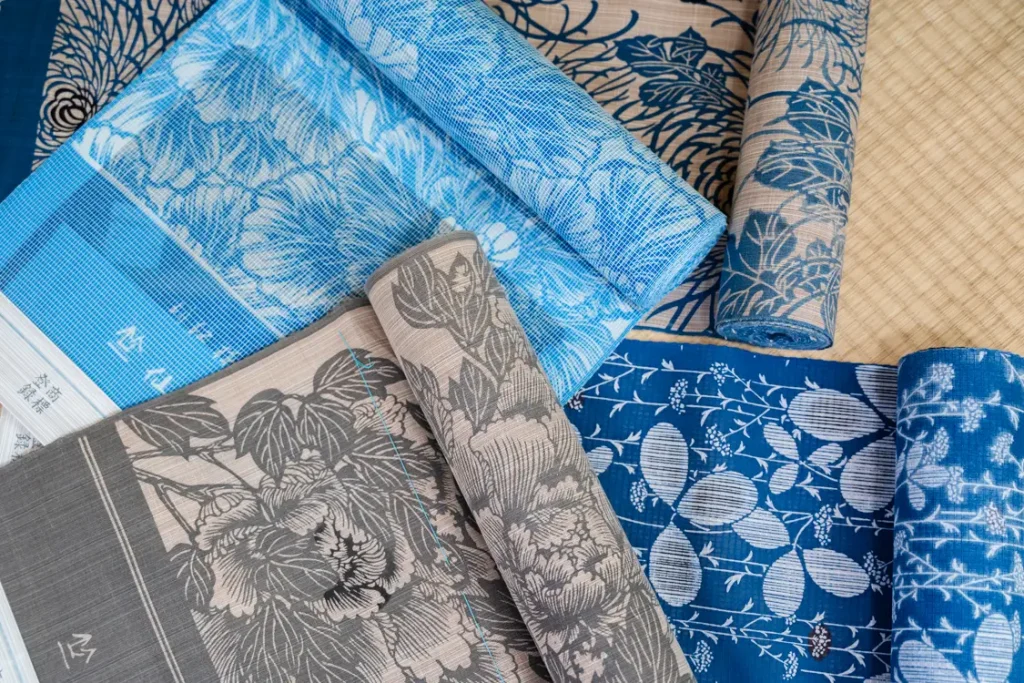
Ōshū komon, shōen-zome komon, cotton kōbai yukata
Chikusen’s original “Ōshū kasuri” fabric, which reproduces the texture of hand weaving, and “cotton kōbai,” which feels cool due to its uneven surface, are used to create Ōshū komon, shōen-zome komon, and cotton kōbai yukata through the same hikizome dyeing used for komon.With a han-eri collar, tabi socks, and a Nagoya obi, they can be styled as summer kimono for going out.These elegant, high-grade summer yukata are highly popular among kimono lovers.
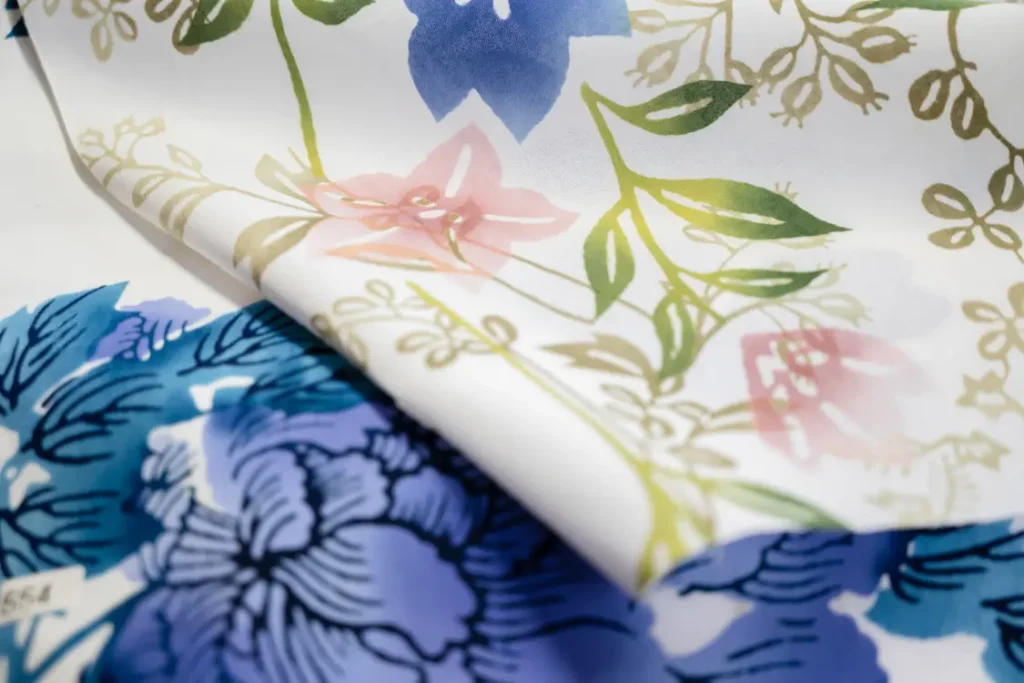
Paper-thread yukata, cotton ro yukata
The paper-thread yukata, made with cotton warp threads and paper-fiber weft threads, is a relatively newly developed fabric.It preserves the vividness of chūsen dyeing and the beauty of shading, while offering softness on the skin and resistance to wrinkling.Designs with peonies swaying in the wind or gentle autumn grasses evoke coolness through the eyes—classic expressions of Japanese elegance, worthy of Chikusen.
Spot Overview
| address (e.g. of house) | |
|---|---|
| phone | |
| Business Hours | |
| regular closing day | |
| Payment Method | |
| External Links |