What is the origin of the name “Yamato Doll”? What kinds of dolls are there?

puppet

What is the origin of the name “Yamato Doll”? What kinds of dolls are there?(Yamato Ningyo/Yamatoningyo)

traditional craft

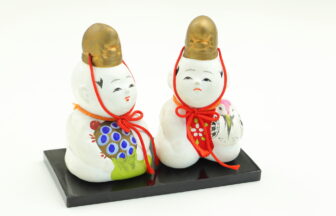
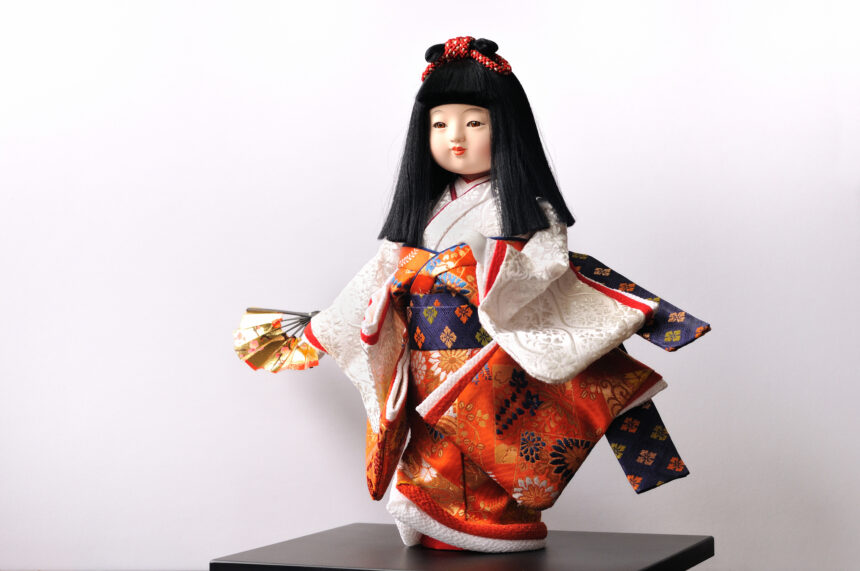
Japanese dolls in the form of a child, whose arms and legs can be bent, seated, and dressed in different costumes (kimonos), are made in various parts of Japan. They are made in various parts of Japan, and well-known examples include “naked dolls” made in the early Edo period, “Ichima dolls” and “three-fold dolls,” which were popular in the Kansai region. It was not until 1935 that the term “Yamato ningyo” was coined for these dolls. 12,000 dolls were sent from the U.S. in 1927 as a gift for international goodwill, and in return the U.S. sent dolls with okappa heads and dressed in furisode (long-sleeved kimono). At that time, a standard name for dolls in children’s clothing was needed, and the name “Yamato ningyo” was selected, proposed by the Society for the Study of Japanese Dolls.


新着・おすすめ情報

  1. Shinko Matsuri (torch festival) is held at Kameido Tenjinja Shrine! A solemn spring fire festival in memory of Sugawara no Michizane

  2. 【第25回】七十五という数字にまつわる蕎麦の話

  3. What is the meaning of “hi-ire” in sake making? Words related to Sake

  4. neckpiece (on a kimono)

  5. Musashi Fuchu Kumano Shrine Tomb (Fuchu, Tokyo)

  6. What does “Oyako” mean? Hina Dolls

  7. He started helping out in the family business as a child and went on to become a part of it. Kimuraya Honten, Asakusa’s oldest doll-shaped yaki store

  8. Horikirishobuen (Horikiri Shobuen, Tokyo)

  9. Gosho Ningyo” was a gift to the Imperial Palace. Also known as “Hai Hai” and “White Meat Dolls.
  10. Types of “Hina Dolls.” What are the characteristics of their costumes?

  11. eel-liver soup

  12. 【第9回】蕎麦屋で人気の「天せいろ」の歴史

  13. What is the difference between kaiseki ryori and kaiseki cuisine? Explanation of the origin and manners you should know!

  14. Oji Shrine (Oji, Tokyo)

  15. Ubukeya is a knife store specializing in kitchen knives, scissors, and hairpins. The ultimate “sharpening” that even makes a paper-cutting artist say, “It’s so sharp, I’m in trouble!