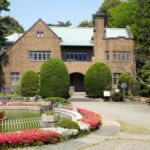
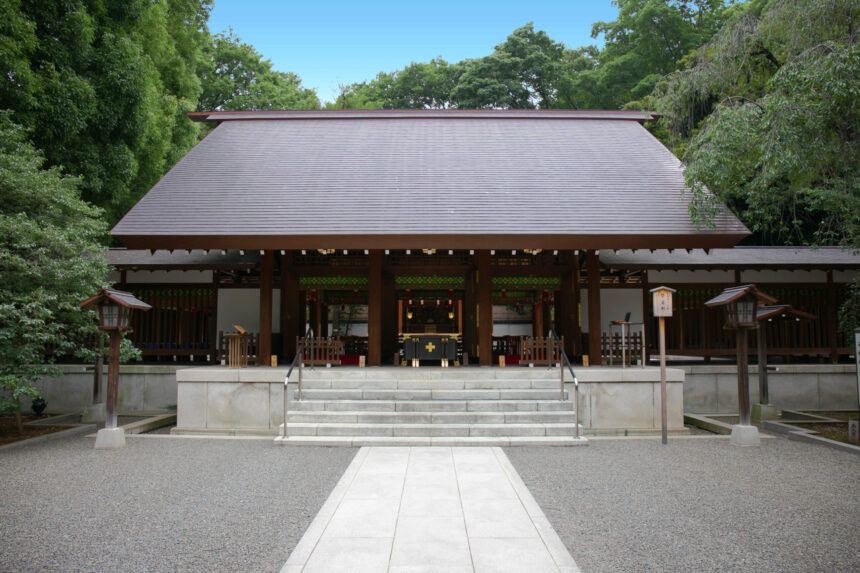
Nogi Shrine (Akasaka, Tokyo)

Shinto shrineAzabu, Akasaka, Roppongi

Nogi Shrine (Akasaka, Tokyo)(Nogi Jinja Shrine)

Rinriki Nogipair of objects, one larger (for man), one smaller (for woman)Temples, shrines, and Buddhist templeswalk

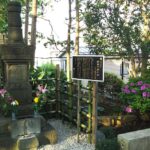
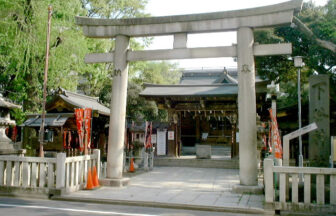
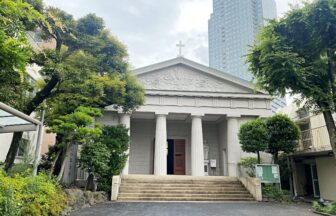
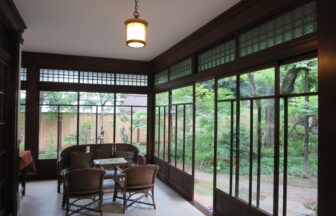
The shrine is dedicated to Kisunori Nogi and his wife, Shizuko, who were martyred by the death of Emperor Meiji in 1912. The shrine was founded in 1923, and prior to that, the spirits of the couple were enshrined in a small shrine established by volunteers in the Nogi residence, where rituals and activities to pass on the spirit of the couple to future generations were conducted. If their divine virtues were to be described in one word, it would be “loyalty. In addition, he and his wife Shizuko, who were together for about 30 years, are regarded as the “god of conjugal harmony. The Treasure Hall, which displays the sword and medals of his death, is open to the public free of charge. Photo courtesy of Nogi Shrine

Spot OutlineOutline

address (e.g. of house) 8-11-27 Akasaka, Minato-ku, Tokyo
Access 1 min. walk from Nogizaka Subway Sta.

phone 03-3478-3001
Business Hours 6:00 – 17:00 (9:00 – 17:00 for the awarding office and treasure hall)
External Links

Official Web Site

Founding and opening of business 1923 (Taisho 12)

新着・おすすめ情報

  1. light broth made of jellied sweet bean paste

  2. A Walk in Edo with Old Maps] No.5: Traces of Edo Remain Strong in “Differences in Elevation” and “Town Names” in Ushigome and Ichigaya

  3. The first “in-house work of a samurai”. Yoshinoya Shoten” has been lighting up the nights of Japan with Edo lanterns for 168 years.

  4. Explanation of the origin of Chirashi-zushi, ingredients used, etc.

  5. What is the origin of the name “Kintsuba”? How is it written in kanji?

  6. What does “Namida (sushi)” mean?

  7. Shukusen, a dyed kimono store for yukata and Edo komon. What is the pride and confidence in the words “Shukusen Kansei”?

  8. 亀戸天神社 藤まつり

  9. Ohagi/Botamochi

  10. Developing original materials with attention to detail, starting from the fabric. Shukusen, a long-established manufacturer of yukata loved by kabuki actors in the Edo period [Part 1

  11. Kiyosubashi Bridge (Kiyosumi-Shirakawa, Tokyo)

  12. brewer’s rice

  13. What to do on the far shore for ancestor memorial services? What to wear, what to bring, and what to do on the day of visitation.

  14. Enjyoji Temple (Hakusan, Tokyo)

  15. soldier’s overalls