What is the origin of the name “Yamato Doll”? What kinds of dolls are there?

puppet

What is the origin of the name “Yamato Doll”? What kinds of dolls are there?(Yamato Ningyo/Yamatoningyo)

traditional craft

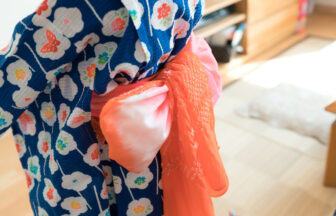
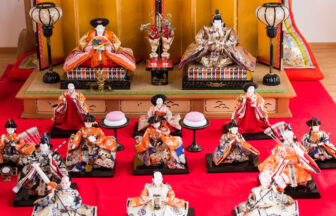
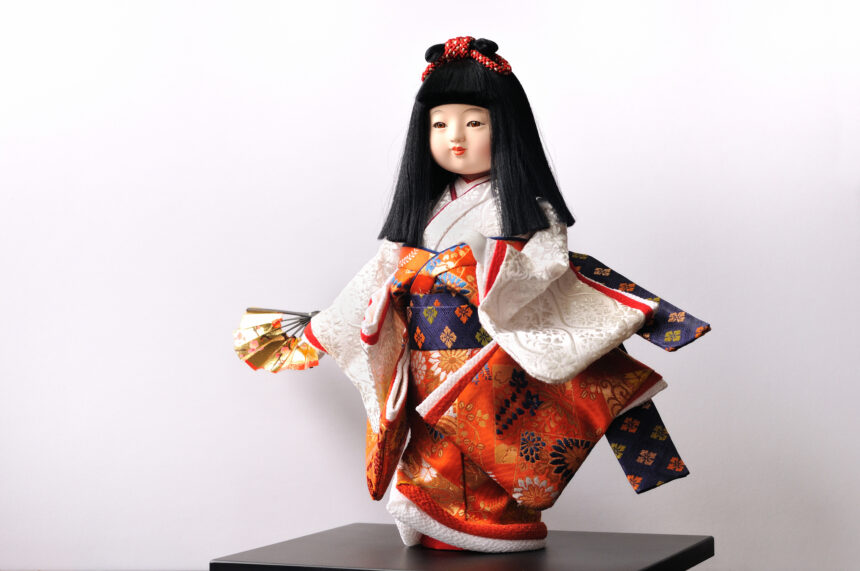
Japanese dolls in the form of a child, whose arms and legs can be bent, seated, and dressed in different costumes (kimonos), are made in various parts of Japan. They are made in various parts of Japan, and well-known examples include “naked dolls” made in the early Edo period, “Ichima dolls” and “three-fold dolls,” which were popular in the Kansai region. It was not until 1935 that the term “Yamato ningyo” was coined for these dolls. 12,000 dolls were sent from the U.S. in 1927 as a gift for international goodwill, and in return the U.S. sent dolls with okappa heads and dressed in furisode (long-sleeved kimono). At that time, a standard name for dolls in children’s clothing was needed, and the name “Yamato ningyo” was selected, proposed by the Society for the Study of Japanese Dolls.


新着・おすすめ情報

  1. day of the ox in midsummer (during the hottest season)

  2. Ikegamihonmonji Temple

  3. Kaiseki cuisine “Hachisun”, what is served on what occasion?

  4. When is the day of the Ox in 2023? What is the origin and the reason for eating eels?

  5. New Year’s gift (usu. money given to a child by relatives and visitors)

  6. Expressing a unique taste using ingredients that can be found anywhere. The long-established Kimuraya Honten Ningyo-yaki store’s commitment to quality

  7. Shortcakes, pancakes and afternoon tea. A beautiful way to eat sweets.

  8. Meiji Shrine

  9. Chinzan Villa

  10. Bank of Japan

  11. The 2nd “Sake Samurai”s Tour of Tokyo’s Long-established Sake Breweries with Yuki Aoi

  12. rolled sushi with rice and other ingredients

  13. sweet dumpling made with mochi flour and (sometimes) millet flour (famous product of Okayama)

  14. Aoyama Cemetery (Minami Aoyama, Tokyo)

  15. Tsutanoya” was established in 1937 and supports Japan’s fish-eating culture with its delicious taste. What is “Kyoka-zuke”, an evolution of Saikyo-zuke?