What does “Sarashina (soba)” mean and where did it originate?

Soba/Udon

What does “Sarashina (soba)” mean and where did it originate?(Sarashina/sarashiana)

region comprising most of Japan’s southwestern archipelago (esp. Okinawa Prefecture)old name of TokyoEdo-style soba (buckwheat noodles)sand pitbush

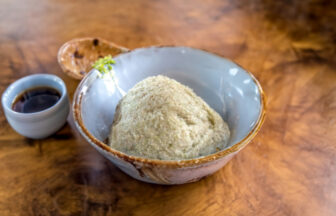
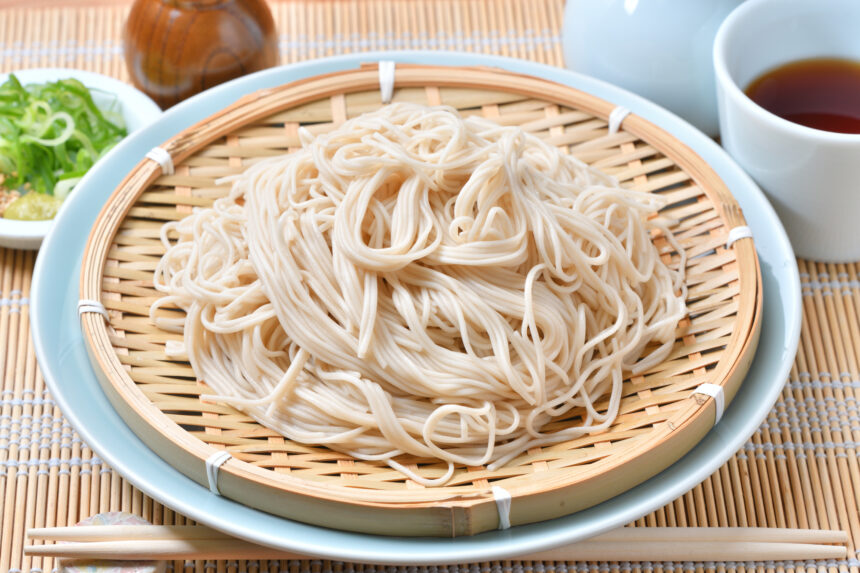
Soba restaurants serve soba made with Sarashina flour, a white flour ground from the soft center of the buckwheat seed. Along with Yabu and Sunaba, Sarashina is one of the three major soba restaurants in the Edo-mae area. Sarashina flour is also known as “ichiban-ko” (first flour) because it is made from the first part of the buckwheat seed that comes out when it is ground. Sarashina flour is characterized by the absence of colored sweet peel, resulting in white soba noodles with a delicate texture.

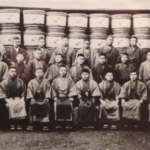
Sarashina originated in Shinshu. It is said that Horii Seiwemon, a native of Shinshu who was skilled in buckwheat noodle making, opened “Shinshu Sarashina Soba Restaurant Nunoya Tahei” in Edo at the recommendation of his feudal lord. The “family” of Sarashina is derived from the Hoshina family of Shinshu, who were the lords of the area.
新着・おすすめ情報

  1. Meishu no Taki Park (Oji, Tokyo)

  2. Sticking to domestically produced raw materials, each tooth is spun by hand. The commitment of the long-established “Juso Yakushi-ten” (Juso Yakushi Shop)

  3. Kanda Myojin

  4. Changing flavors and characteristics from generation to generation: the management strategy of the long-established “Tokiwando Thunder Stirrers’ Okoshi Honpo,” founded in 1816.

  5. Sohonke Sarashina Horii, a soba restaurant with a long line. The taste that they have arrived at in pursuit of the possibility of buckwheat noodle

  6. 【第18回】古くから食べられてきた「そばがき」の作り方

  7. Yamamoto Nori Store, a long-established business with a 170-year history, has created an innovation that allows people to taste freshly baked laver.

  8. Shoin Shrine (Setagaya, Tokyo)

  9. Customer information is written down in a notebook and shared with all staff. Ginza Mikawaya’s commitment to hospitality

  10. someone who is unable to apply what they have read

  11. For over 300 years in Nihonbashi, we have continued to develop products that meet the needs of the times. Long-established “Nimben” dried bonito flakes

  12. Meaning of “Unaju” and “Unadon”. What’s the difference?

  13. What does “Namida (sushi)” mean?

  14. Gosho Ningyo” was a gift to the Imperial Palace. Also known as “Hai Hai” and “White Meat Dolls.

  15. halberd