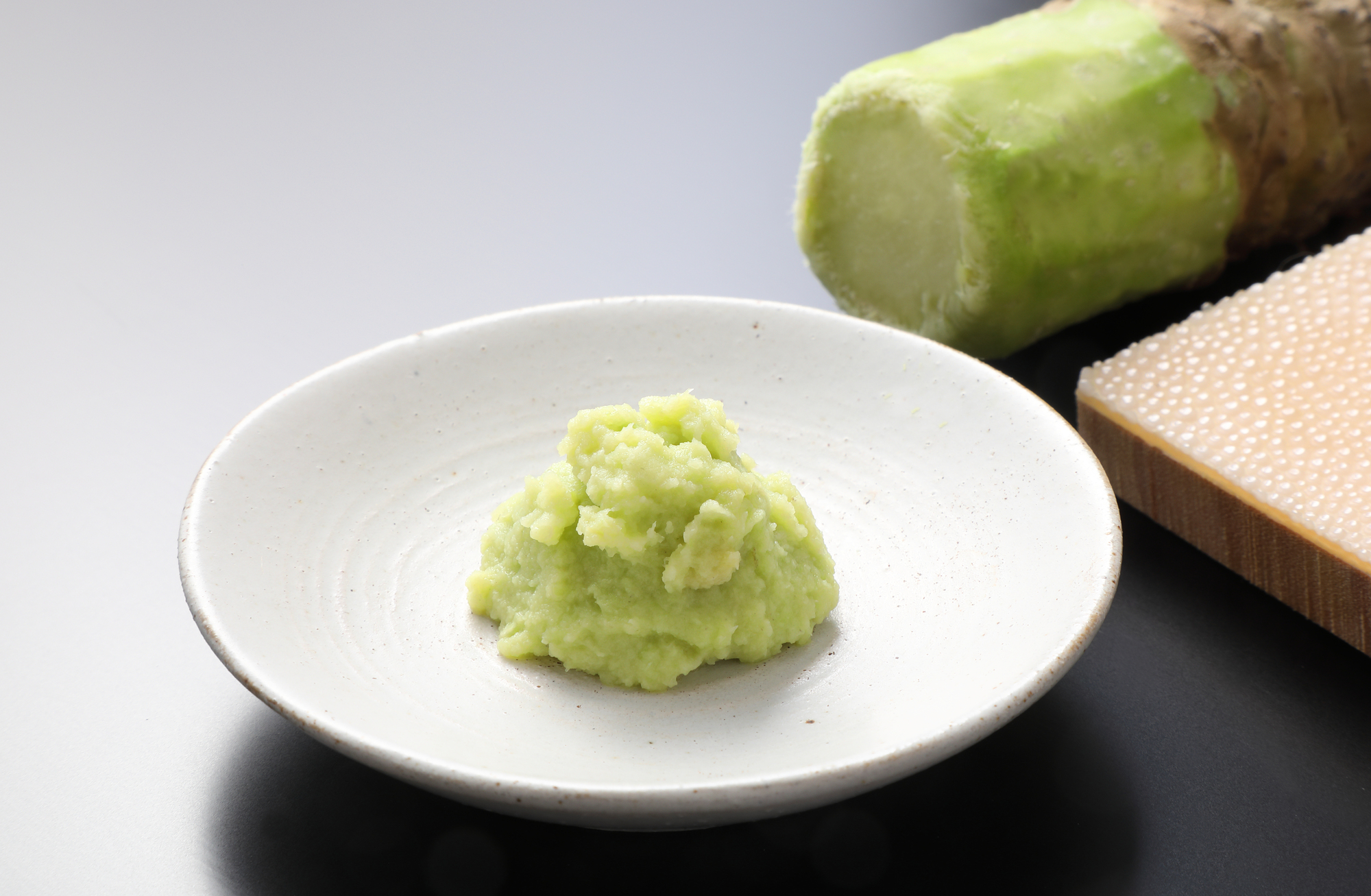
What does “Namida (sushi)” mean?

sushi

What does “Namida (sushi)” mean?(NAMIDA)

wasabi (Wasabia japonica)old name of Tokyo

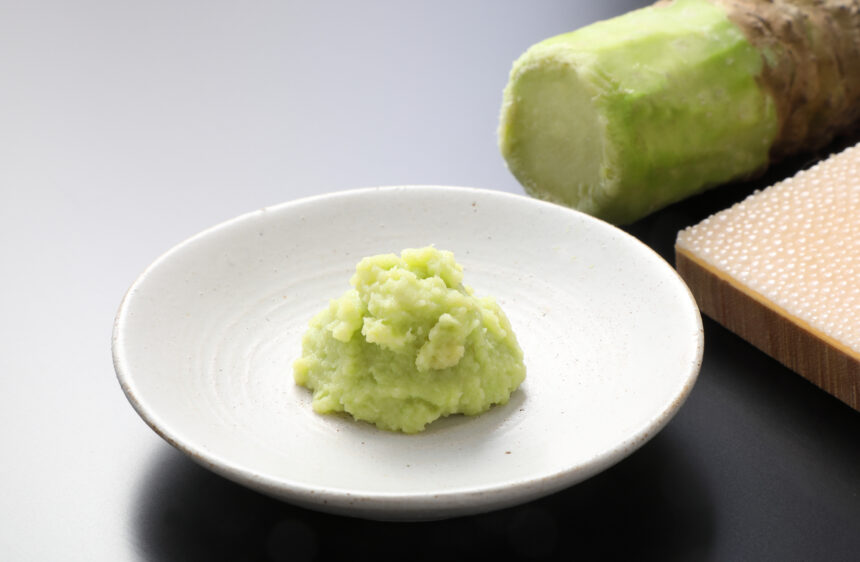
Sushi chefs refer to wasabi as “Namida” because eating wasabi causes a twinge in the nose that brings tears to the eyes. Thin nori rolls with grated or chopped leaf or stem wasabi as garnish are called “Namida-maki. Wasabi has long been used as a spice with antibacterial effects against odors and food poisoning pathogens. The use of wasabi in sushi began in the late Edo period (1603-1868), when nigirizushi (hand-rolled sushi) was introduced. It is widely believed that the first sushi chef in Edo, Hanaya Yohei, was the first to use wasabi.

新着・おすすめ情報

  1. Shirokiya Denbei, a long-established shop of all-natural, 99% handmade Edo-style brooms. Why has the tradition been preserved for nearly 200 years?

  2. beef sinew stewed in miso and mirin

  3. Hamura Intake Weir

  4. Types of “Hina Dolls.” What are the characteristics of their costumes?

  5. bone at the base of a fin

  6. Expressing a unique taste using ingredients that can be found anywhere. The long-established Kimuraya Honten Ningyo-yaki store’s commitment to quality

  7. Nihonbashi Saruya is the only toothpick specialty store in Japan. Once you use it, you will never go back to ordinary toothpicks.

  8. Former Iwasaki Residence

  9. Tama Cemetery (Fuchu, Tokyo)

  10. Definitions of “Daiginjo-shu” and “Junmai Daiginjo-shu” [Words Related to Sake].

  11. The family motto is “Be a connoisseur. Gyokuho-Do” has continued to support the tea culture by handling tea utensils of the Unshu-Matsudaira and Omotesenke families.

  12. oldest surviving traditional style of sake making

  13. The company has 25,000 followers on social networking sites! Nihonbashi Benshitsu Sohonten, Japan’s oldest bento shop that delivers the taste of a long-established shop while using modern tools.

  14. triangles of sweet rice jelly topped with adzuki beans (eaten in the sixth month)

  15. Ome Shinmachi Oido (Ome, Tokyo)