soldier’s overalls

Japanese clothing

man’s formal divided shirt(Hekoobi)

Japanese clothesclothing

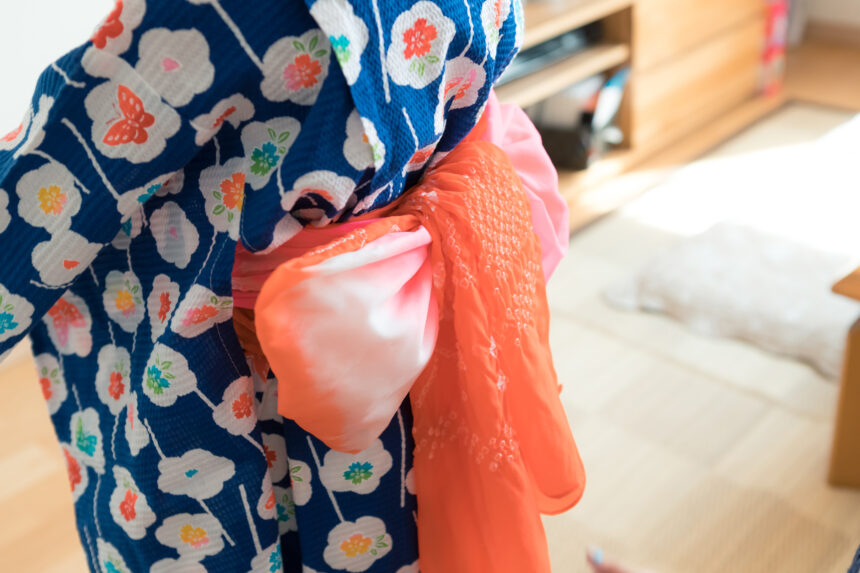
Obi for casual use for men and children. It is a wide belt made of soft material and easy to tie. It originated in the Satsuma domain (today’s Kagoshima Prefecture) during the Edo period. In the clan, the shigotsu obi used by young men of the clan (aged 15 to 25), called hyōji, was called a “hyōji obi. This belt spread to Tokyo and then to the rest of the country with the Meiji Restoration. The characteristic of the hyogo obi is that it is not constrictive and can be tied in a variety of ways. Recently, because of this feature, women have begun to use it as a yukata obi as well, and the number of materials and designs has increased dramatically.
新着・おすすめ情報

  1. Daiba Park (Odaiba, Tokyo)

  2. Where does “Mikosui” come from? What are its characteristics? Words related to sake

  3. Zashiki banner” is a miniaturized version of the outer decorations for Boys’ Festival

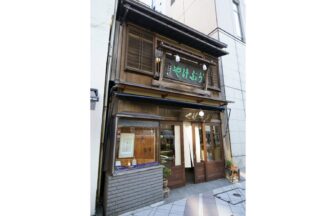
  4. Sticking to domestically produced raw materials, each tooth is spun by hand. The commitment of the long-established “Juso Yakushi-ten” (Juso Yakushi Shop)

  5. soba water

  6. Types of “Hina Dolls.” What are the characteristics of their costumes?

  7. Lady Gaga is a fan! The beauty of the braided cord culture by Ryu Kobo, which has been in business for over 130 years.

  8. pure silk

  9. A gem loved by literary giants! What is the charm of “Haniage Dango,” the ultimate in simplicity?

  10. What does a “Hands and Feet Master” do? The series of craftsmen who make dolls

  11. combined off-license and pub (licence)

  12. Developing original materials with attention to detail, starting from the fabric. Shukusen, a long-established yukata manufacturer loved by kabuki actors in the Edo period [Part 2

  13. Inokashira Onshi Park

  14. Akatsuka Fudo Falls (Takashimadaira, Tokyo)

  15. Matsui Sake Brewery once closed. A closer look at the creative sake brewing process at the revived brewery.