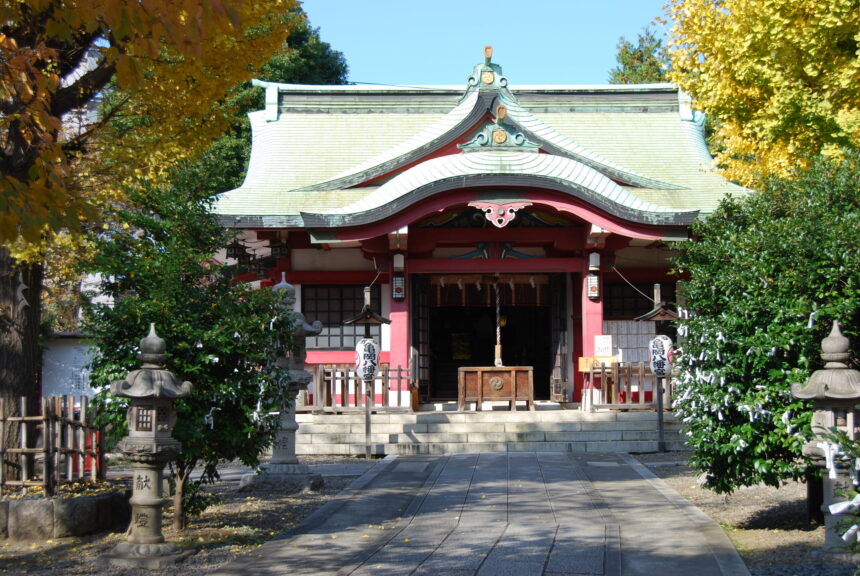
Ichigaya Kameoka Hachiman Shrine (Ichigaya, Tokyo)

Shinto shrineIidabashi/Kagurazaka

Ichigaya Kameoka Hachiman Shrine (Ichigaya, Tokyo)(Ichigaya kamegaoka hachimangu)

Pet PrayerOta Do-shuhou era (1260.4.13-1261.2.19)walk

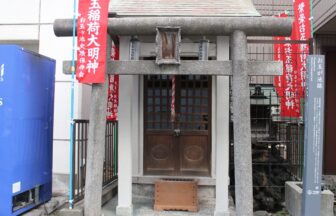
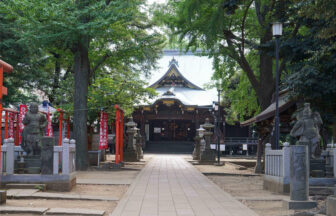
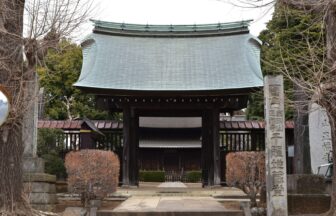
It is said that the shrine was originally built in 1479 by Ota Dokan, a general active in the late Muromachi period (1336-1573), who enshrined a spirit from Tsurugaoka Hachiman-gu Shrine in Kamakura as a guardian deity to the west when he built Edo Castle. The shrine was named Kameoka Hachimangu Shrine in contrast to Tsuruoka, and was revered by the third shogun, Tokugawa Iemitsu, and Keishoin. The shrine’s treasure, a military fan made by Ota Doukan, is a cultural asset of Shinjuku City, and the only copper torii gate (about 5 m high) in the city, built in 1804, can also be seen. The shrine is famous for pet protection and pet prayers.

Spot OutlineOutline

address (e.g. of house) 15 Ichigaya-Hachiman-cho, Shinjuku-ku, Tokyo
Access 3-5 minutes walk from JR/Subway Ichigaya Station

phone 03-3260-1868
Business Hours 5:00-17:00 (when the main shrine is open)
regular closing day nashi (Pyrus pyrifolia, esp. var. culta)
External Links

Official Web Site

Founding and opening of business 1479 (11th year of civilization)

新着・おすすめ情報

  1. mound containing a monument to Shomon (i.e. a place of scenic beauty)

  2. New Year’s gift (usu. money given to a child by relatives and visitors)

  3. gore

  4. Shinjuku Suehirotei (Shinjuku, Tokyo)

  5. The company has 25,000 followers on social networking sites! Nihonbashi Benshitsu Sohonten, Japan’s oldest bento shop that delivers the taste of a long-established shop while using modern tools.

  6. Kiyosumi Garden

  7. What is Dragon Boat Festival?

  8. Shokado bento” is a shortened form of “kaiseki” cuisine. Kaiseki” or “Kaiseki”?

  9. Why do we need Bonbori? Decorating Hina Dolls

  10. wafer

  11. With 670 years of history, yet unafraid of change. Shioze Sohonke” continues to innovate ambitiously.

  12. Walking with the owner of a long-established restaurant and an expert] Part 1: Tracing the history of Shibadaimon with the 7th generation owner of “Shibadaimon Sarashina Nunoya

  13. Manju, Monaka, Daifuku, etc.: Manners for Eating Wagashi without Worrying about Public Appearances Anymore

  14. halberd

  15. Kanda Myojin