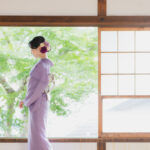
type of informal katakana worn in the Edo period

Japanese clothing

type of informal katakana worn in the Edo period(edokomon)

Japanese clothesclothing

A dyed fabric in which a pattern so fine that it appears plain at first glance is repeatedly pattern-dyed in one direction and in one color. The roots of this technique date back to the Muromachi period (1333-1573), and from the beginning of the Edo period (1603-1867), it was used for kamishimo (formal dress for samurai). By the mid-Edo period, it had spread to the townspeople, and was worn by people of all genders and statuses. Plain, detailed patterns are characteristic of Edo komon, but commoners also used patterns based on motifs such as four-character idioms, idiomatic phrases, flowers, and vegetables. Today, it is suitable for casual fashionable wear, but it can also be worn on formal occasions if the pattern is of high rank, which was used for kamishimo, or “komon sanyaku (or goyaku),” or if it has a crest.

新着・おすすめ情報

  1. 麻布・赤坂・六本木

  2. To make swords a part of our daily lives. The future of swords is the goal of Nihon Katana, a long-established sword specialty store.

  3. lay or stretch out to dry

  4. What is the origin of “May dolls” displayed on Dragon Boat Festival?

  5. What is Gunkanmaki? Origin of the name, store of origin

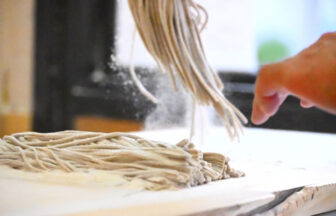
  6. 【第22回】お寺とお蕎麦の切っても切れぬ関係

  7. yukata (light cotton kimono worn in the summer or used as a bathrobe)

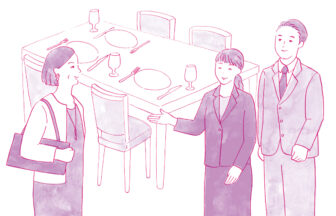
  8. Tips for choosing a restaurant and points to consider for a successful business dinner

  9. 8220;Sake Samurai”s Tour of Tokyo’s Long-established Sake Breweries with Yuki Aoi

  10. Ubukeya, a long-established cutlery shop with 240 years of history

  11. Ueno, Yanaka, Nippori

  12. We don’t stick to tsukudani alone. They are also introducing Western flavors and expanding their sales channels. The Challenge of Shimbashi Tamakiya

  13. Horikirishobuen (Horikiri Shobuen, Tokyo)

  14. one-piece sash

  15. New Year’s decorations