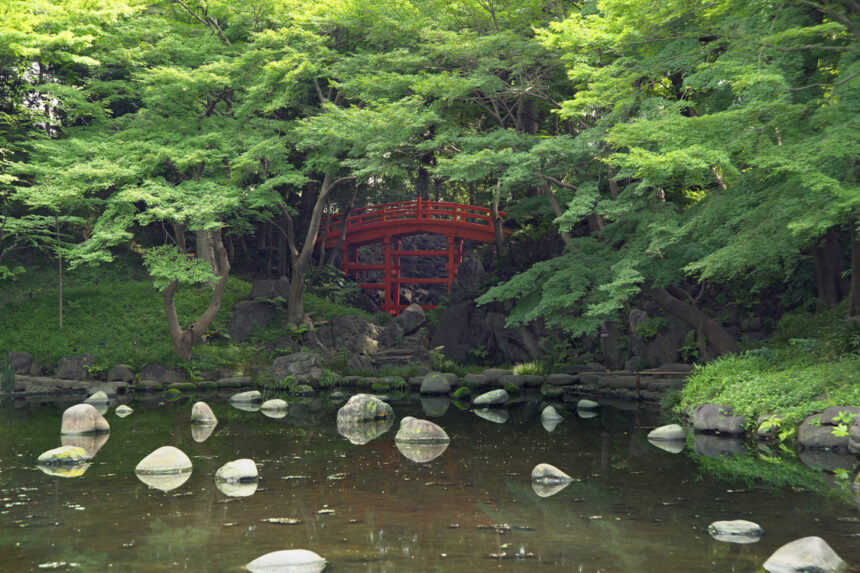
Koishikawa Korakuen

Parks & GardensOchanomizu, Yushima, Korakuen

Koishikawa Korakuen(Koishikawa Korakuen Gardens)

cherry blossom viewingpicnicleaves changing color (colour)

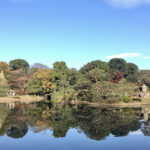
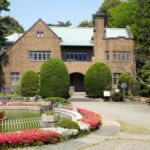
This garden was created in 1629, in the early Edo period, by Yorifusa Tokugawa, the first lord of the Mito Tokugawa family, and completed by Mitsukuni, the second lord of the Mito Tokugawa family. It is the oldest feudal lord’s garden completed in the Edo period, and is designated as a Special Historic Site and a Special Place of Scenic Beauty by the national government. Based on Mitsukuni’s Confucian philosophy, the opinions of the Ming Confucian scholar Chu Shun-sui were incorporated into the garden, and the Chinese taste is evident throughout the landscape. The name of the garden, “Korakuen,” was also derived from Chinese teachings. The garden is a kaiyushiki style garden with a large fountain that imitates Lake Biwa, and mountains, rivers, and rice paddies that resemble scenic spots in various regions are skillfully expressed in the garden. Weeping cherry trees over 60 years old and the Engetsu Bridge, which looks like a full moon when reflected on the water, are also highlights of the garden.

Spot OutlineOutline

address (e.g. of house) 1-6-6 Koraku, Bunkyo-ku, Tokyo
Access 5 min. from JR Suidobashi Station, 8 min. from Subway Suidobashi Station, 8 min. from JR and Subway Iidabashi Station, 6 min. from Subway Korakuen Station
3 minutes from Subway Iidabashi Station, 8 minutes from JR Iidabashi Station and Suidobashi Station, 8 minutes from Subway Iidabashi Station and Korakuen Station

phone 03-3811-3015
Business Hours 9:00-17:00 (admission until 16:30)
regular closing day Year-end and New Year holidays (December 29 – January 1)
External Links

Official Web Site

Founding and opening of business 1938 (Showa 13)

新着・おすすめ情報

  1. How were “Fresh Pack” and “Soup Stock” born? The source of the idea of the long-established dried bonito flakes shop “Nimben

  2. Otakanomichi and Masashino-ike Spring Group

  3. Asukayama Park

  4. make

  5. Fuzoku ningyo” are dolls that reflect the customs of various regions in Japan. There are Edo genre dolls, Kyoto dolls, etc.

  6. Horikirishobuen (Horikiri Shobuen, Tokyo)

  7. bones left after cremation (esp. those of a Buddha or Boddhisatva)

  8. Japanese doll” is a generic term for dolls traditionally made in Japan. What types are there?

  9. Koami Shrine (Ningyocho, Tokyo)

  10. Meishu no Taki Park (Oji, Tokyo)

  11. Explanation of the contents of “Yomeiri Dougu Arrangement” [Decorating Hina Dolls].

  12. Yamamoto-Tei (aristocratic group of pious men)

  13. Metropolitan Takiyama Park, Ruins of Takiyama Castle

  14. 【第3回】蕎麦の香りを楽しめる蕎麦メニューとは

  15. What does “Sarashina (soba)” mean and where did it originate?