

historic siteHigashimurayama, Ome, Okutama
Ruins of Katsunuma Castle (Ome, Tokyo)(Katsunuma Castle Ruins)
castleruins of a castleTokyo Metropolitan Historic Site
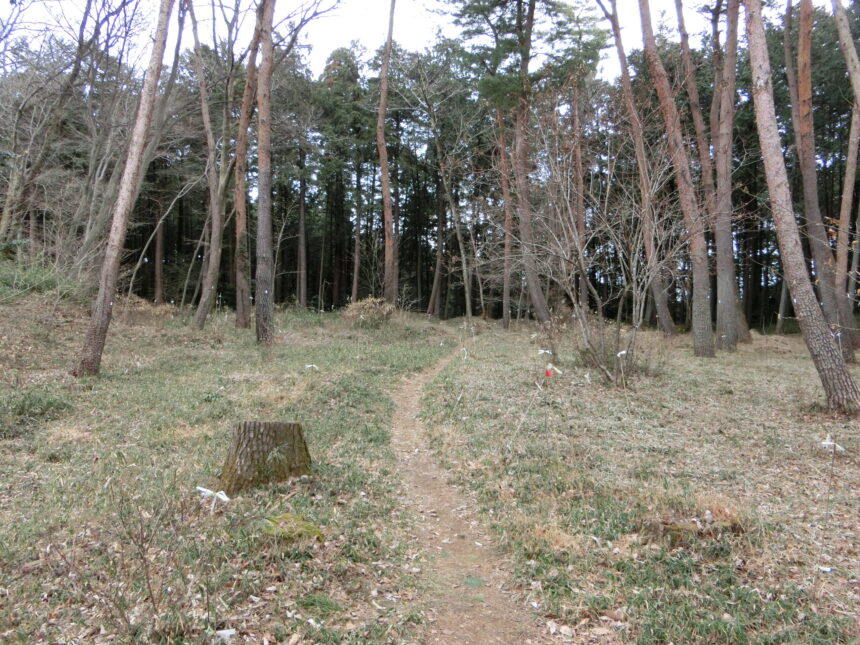
Katsunuma Castle is said to have been the residence of the Sanda clan that ruled this region during the Muromachi period. After the Sanda clan was destroyed around 1561 by the Hojo clan, a feudal lord based in Odawara Castle, the castle was placed under the jurisdiction of the Hojo clan. The ruins of the castle that remain today are believed to have been modified by the Hojo clan. However, when Toyotomi Hideyoshi destroyed the Hojo clan in 1590 (Tensho 18), the castle also fell and was abandoned. In 1975, the ruins of the castle were designated as a historical environment preservation area by the Tokyo Metropolitan Government, and in 1993, it was designated as a historic site by the Tokyo Metropolitan Government. Within the ruins of the castle, earthen mounds, a vacant dugout, and other remains can be seen. (Image courtesy of Ome City Folk Museum)
Spot OutlineOutline
| address (e.g. of house) | 6-92 Higashi Ome, Ome City, Tokyo, etc. |
|---|---|
| Access | 25 minute walk from Higashi Ome Station on the JR Ome Line, or a few minutes walk from Myokoin or Komyoji-shita bus stop (bus bound for Kawabe Station North Exit) from the bus stop in front of Ome Station on the JR Ome Line *There is a path leading to the castle ruins from Komyoji Cemetery |
| phone | 0428-23-6859 (Ome City Folk Museum Administration Section) |
| Business Hours | Visits are always possible (refrain from visiting at night or in the winter evenings, as there are no street lights and many areas of the castle ruins are densely wooded). |
| External Links | |
| Founding and opening of business | Muromachi period (1333-1573 CE) |