What kind of doll is “Oyama Doll”? What is the origin of the name?

puppet

What kind of doll is “Oyama Doll”? What is the origin of the name?(Oyamaningyo (Oyamaningyo)

Japanese puppet theatre in which recited narrative and dialog is accompanied by a shamisen (forerunner of bunraku)traditional craft

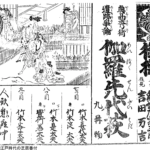
A generic name for dolls in the female form. One of the costume dolls. In the early Edo period (1603-1868), Jirozaburo Koyama, a master puppeteer of ningyo joruri (puppet theater), was so skillful in handling female dolls that the name was taken from his name and used to refer to female dolls (various theories exist). In the latter half of the Edo period (1603-1867), dolls began to be actively produced. The wisteria girl (a Japanese dance performance featuring wisteria flowers) and shiokumi (a Japanese dance performance depicting a woman drawing water) were also popular. These very glamorous dolls are based on Japanese dance and Kabuki plays such as Wisteria Musume (a Japanese dance performance featuring wisteria flowers) and Shiokumi (a Japanese dance performance depicting a woman drawing water), and are dressed in the hairstyles and costumes of these scenes. Characteristic of these dolls are their elaborate construction and gorgeous costumes, and doll makers carefully craft every detail of their facial expressions, hairstyles, and costumes. Costumes are made of high-grade materials such as silk and gold thread, and some are embroidered and decorated with gold leaf. Because of their gorgeous appearance, they are often displayed at festive occasions and are often given as gifts for weddings, housewarmings, Shichi-Go-San, and other celebrations. They are also called onnagata ningyo, koyama ningyo, or oyama ningyo.

新着・おすすめ情報

  1. cucumber sushi wrapped in nori (seaweed)

  2. What is the difference between kaiseki ryori and kaiseki cuisine? Explanation of the origin and manners you should know!

  3. pure sake

  4. What is Dragon Boat Festival?

  5. What is “Katahira”? What kind of process is it? Words related to Sake

  6. 【第1回】蕎麦の実の殻を完全に取り除いて作る「江戸蕎麦」

  7. Eating Doze soup every day to check the taste. The current owner of Komagata Dozeu, a famous restaurant that has been in business since the Edo period, demonstrates his commitment to preserving the taste of his products.

  8. Otakanomichi and Masashino-ike Spring Group

  9. one-piece sash

  10. 【第12回】「手打ち」というだけで蕎麦は美味しいわけではない

  11. lay or stretch out to dry

  12. Ruins of Hachioji Castle

  13. The simple taste of Kototoi dumplings that you never get tired of no matter how many times you try them.

  14. Asukayama Park

  15. man’s stiff sash