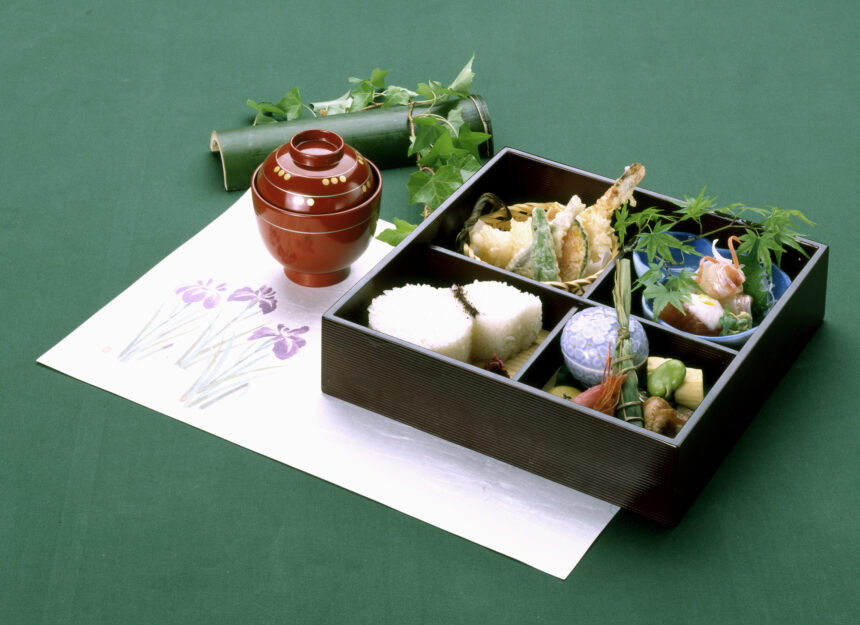
Shokado bento” is a shortened form of “kaiseki” cuisine. Kaiseki” or “Kaiseki”?

Japanese-style meal

Shokado bento” is a shortened form of “kaiseki” cuisine. Kaiseki” or “Kaiseki”?(Shoukadoubentou / shoukadoubentou)

tea-ceremony dishesShoukado Shoujou era (1655.4.13-1658.7.13)

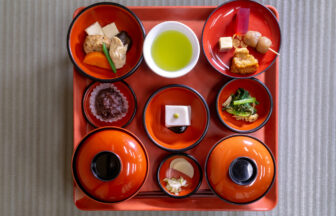
Shokado” refers to a boxed lunch box with a cross-shaped divider inside. A high rimmed lid is placed over the top. As an abbreviated form of kaiseki ryori, it is also served at prestigious events and as hospitality for special guests. It is often filled with sashimi, grilled or simmered dishes, rice, etc. The word “kaiseki” was coined by cultural figures in the Edo period (1603-1868).
The word “kaiseki” comes from the name of Shokado Shojo, an Edo period cultural figure and Buddhist monk. Shojo used a box with cross-shaped compartments as a paint box and medicine box. In the Showa period (1926-1989), Teiichi Yuki, founder of the ryotei restaurant Kitcho, used this box as a container for chakaiseki, and named it “Shokado bento.

新着・おすすめ情報

  1. Tsukiji Catholic Church (Tsukiji, Tokyo)

  2. The difference between a yukata used as pajamas and a yukata worn to a fireworks display, which only a Japanese person can understand.

  3. What is “Nishiki-Tamago”? What is the origin of its name?

  4. 【第22回】お寺とお蕎麦の切っても切れぬ関係

  5. Preserving Kimono Culture through Tabi Shoes. What is the goal of the long-established Tabi Shoes shop “Ohnoya Fuso-Honten”?

  6. Railroad starting point 0 leagues sign (Shinbashi, Tokyo)

  7. Chinzan Villa

  8. 【第15回】江戸蕎麦の流儀〜蕎麦の茹で方編〜

  9. Chimaki” eaten on Dragon Boat Festival. What is the origin of the name?

  10. triangles of sweet rice jelly topped with adzuki beans (eaten in the sixth month)

  11. Ubukeya is a knife store specializing in kitchen knives, scissors, and hairpins. The ultimate “sharpening” that even makes a paper-cutting artist say, “It’s so sharp, I’m in trouble!

  12. Sword eyelets become one-of-a-kind accessories. Nihon Katana, a long-established store specializing in swords that you can enjoy even if you are not an enthusiast.

  13. Manners for visiting shrines and temples: money offering, how to pray, how to get a red seal, etc.

  14. Setagaya Daikan Yashiki

  15. What does “Oyako” mean? Hina Dolls