gore

Japanese clothing

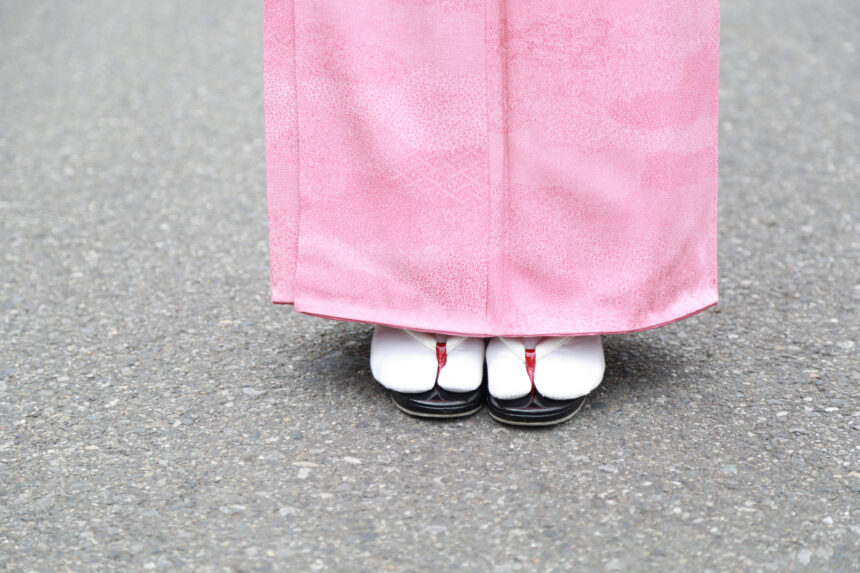
gore(Okumi/okumi)

Japanese clothesclothing

A narrow, half-width (approximately 15 cm) piece of cloth sewn from the collar to the hem on the left and right fronts of the kimono. By attaching gussets, the width of the body is widened, making it easier to wear. It also serves as a marker when overlapping the left and right body parts. Originally, it was called “Okubi. Okubi” means “collar,” and “oryo” means “large collar. The word gradually changed and came to be called “okumi.
新着・おすすめ情報

  1. 京都でも最古の歴史を持つ「松井酒造」。日本酒づくりを軸に展開する、革新的な取り組み

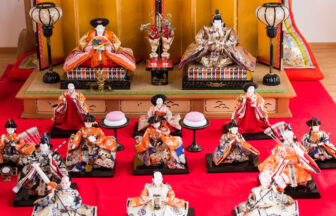
  2. Types of “Hina Dolls.” What are the characteristics of their costumes?

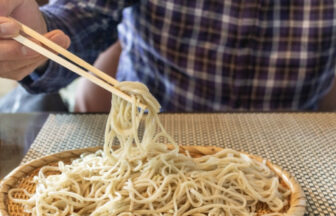
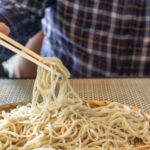
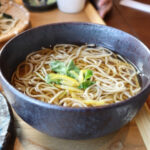
  3. 【第27回】粋な江戸蕎麦の食べ方とは

  4. make

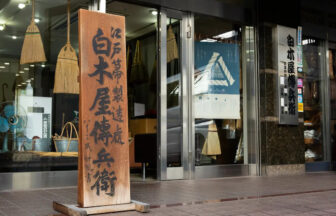
  5. The same manufacturing method since the establishment of the company. Interview with Satoru Nakamura, the 7th generation of Shirokiya Nakamura Denbei Shoten, who weaves Edo brooms using craftsmanship passed down from generation to generation .

  6. Innovation by “Shinseido”, creator of the unconventional and popular “Seppuku Monaka” product

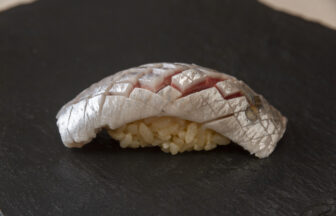
  7. Hikarimono (sushi)

  8. Eitaro Fuhonshop located at the foot of Nihonbashi Bridge. Traditional techniques and a desire to “create new wagashi

  9. Ryu Kobo in Nihonbashi has been innovating braided cord culture for more than 130 years.

  10. Toyokawa Inari Tokyo Betsuin (Akasaka, Tokyo)

  11. Shukusen, a dyed kimono store for yukata and Edo komon. What is the pride and confidence in the words “Shukusen Kansei”?

  12. grilled eel

  13. 【第6回】9月に当店で「生姜切りそば」を出す理由

  14. steamed fish-paste cake, sliced to decorate soup (type of kamaboko)

  15. Musashino Central Park (Musashino, Tokyo)