

constructionAzabu, Akasaka, Roppongi
Akasaka Imperial Villa(Geihinkan-Akasakarikyu)
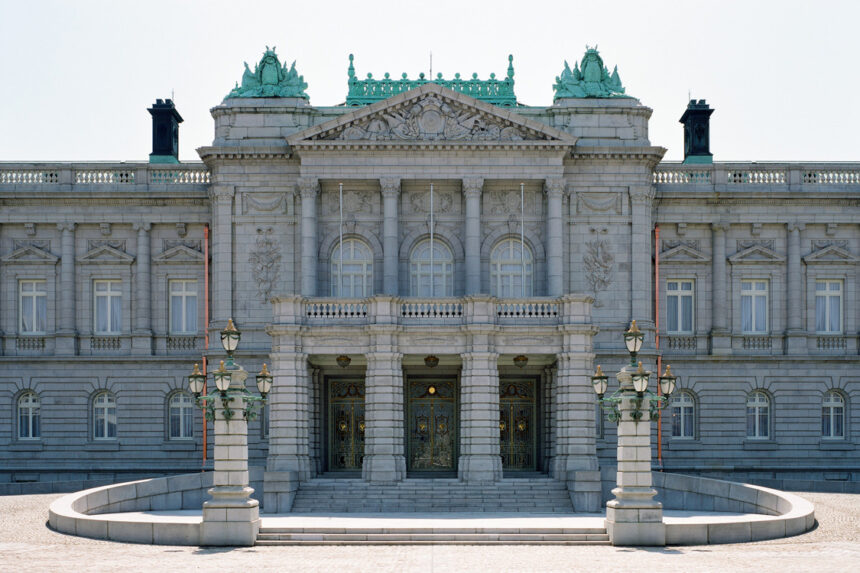
Constructed over a period of 10 years from 1899 (Meiji 32) as the Crown Prince’s Palace, it is Japan’s only neo-baroque style palace architecture. It is the masterpiece of architect Tokuma Katayama. It has been a stage for diplomacy, hosting international conferences, summit meetings, and banquets, but is now open to the public and was designated a National Treasure in 2009. The rooms for official use, including the Asahi no ma, Sairan no ma, Hagoromo no ma, and Kacho no ma, are decorated with elegant decorations and precious oil paintings, and the museum’s interior is sure to provide an extraordinary experience. Visitors can also tour the Japanese-style annex if they request a tour in advance through the official website.
Spot OutlineOutline
| address (e.g. of house) | 2-1-1 Motoakasaka, Minato-ku, Tokyo |
|---|---|
| Access | 7 minutes from JR and Subway Yotsuya Station |
| phone | 03-5728-7788 (Inquiries about general visitation) |
| Business Hours | 10:00-17:00 (last admission at 16:00 for the Honkan; for the Japanese-style annex, advance application for the guided tour is required through the Geihinkan website) |
| regular closing day | Wednesday |
| External Links | |
| Founding and opening of business | 1909 (42nd year of Meiji era) |