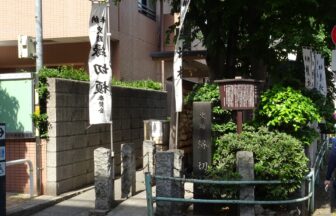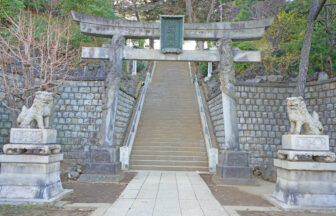


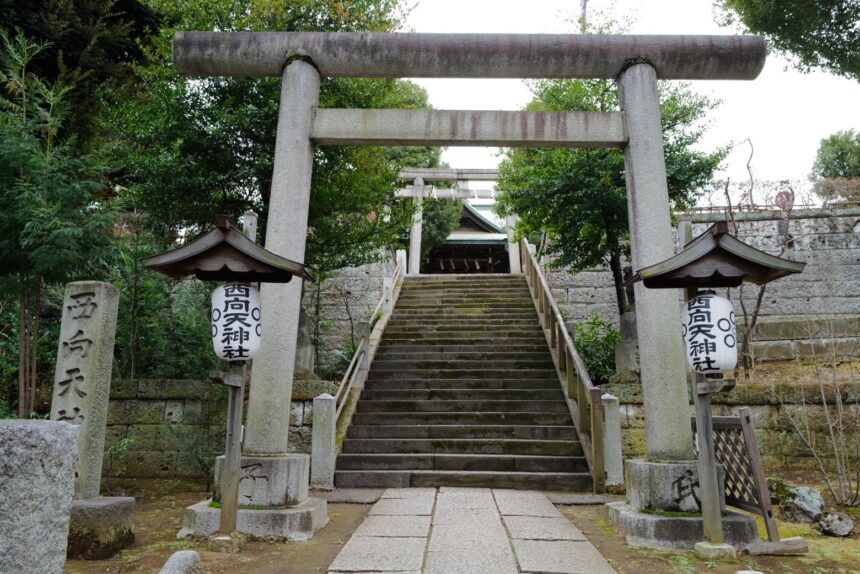
Nishimukai Tenjinsha (Shinjuku, Tokyo)(Nishimuki Tenjin Shrine)
Seven Gods of FortuneKeiko Fuji
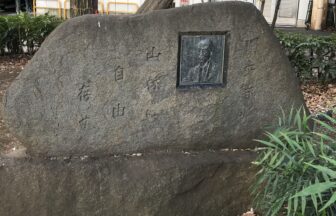
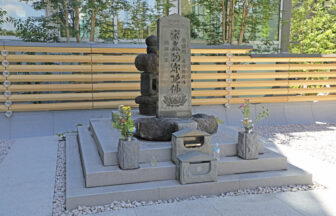
The shrine was built in the Kamakura period (1185-1333) and is one of the Seven Heavenly Deities of the Eastern Capital. It used to be the head shrine of Shinjuku Higashi-Okubo. The origin of the shrine name is said to be that it was built facing Dazaifu (Fukuoka Prefecture), where Sugawara no Michizane, the god of worship, was exiled, or that it faces the direction of Kitano Tenmangu Shrine in Kyoto. Surrounded by greenery, the grounds also include a Fuji Mound built in the Edo period and a monument to Keiko Fuji’s debut song, “Shinjuku no Onna” by the Showa-era singer Keiko Fuji. There is also a park within the precincts of the temple, which is a place of relaxation for local residents.
Spot OutlineOutline
| address (e.g. of house) | 6-21-1 Shinjuku, Shinjuku-ku, Tokyo |
|---|---|
| Access | 3 minutes from Higashi-Shinjuku Subway Station |
| phone | 03-3351-5875 |
| Business Hours | 9:00~17:00 |
| Founding and opening of business | 1228 (Anjou 2) |