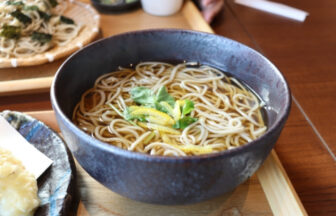
Note that the contents of “soup” differ between kaiseki and kaiseki cuisine.

Japanese-style meal

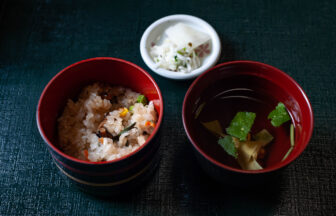
Note that the contents of “soup” differ between kaiseki and kaiseki cuisine.(wanmono)

banquettea-ceremony dishes

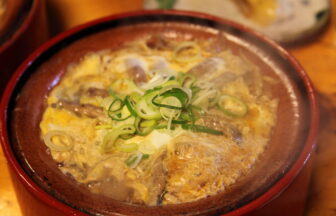
As the name suggests, it is a dish served in a bowl. It is one of the “greens” of the “Ippiru San-na” (one soup, three vegetables) that is served at the beginning of kaiseki cuisine. It refers to “shinjo,” a fish paste made by mashing fish and adding ground yam and egg white, as well as a clear simmered dish with yuba (bean curd), seafood, vegetables, and other ingredients.
On the other hand, in kaiseki cuisine, it refers to the soup served after the appetizer, and is also called “suimono. Bowls also serve as a “chopstick wash” after the appetizer.

新着・おすすめ情報

  1. Honshiba Park (Tamachi, Tokyo)

  2. Noge-Otsuka Tomb (Setagaya, Tokyo)

  3. Yamamoto Nori Store, a long-established business with 170 years of history. The birthplace of “seasoned laver” talks about its commitment to flavor.

  4. Nishimukai Tenjinsha (Shinjuku, Tokyo)

  5. Sengakuji Temple

  6. Seppuku monaka” and “Keikyuu monaka” …… “Shinshodou” produces wagashi that are both humorous and delicious.

  7. sake made without added alcohol or sugar

  8. Oiwa Inari Tamiya Shrine

  9. Former Main Building of the Ministry of Justice (Kasumigaseki, Tokyo)

  10. manjuu

  11. Ruins of Musashi Kokubunji Temple

  12. 12 recommendations for long-established products to give as Mother’s Day gifts.

  13. kimono wrapping paper

  14. Definitions of “Daiginjo-shu” and “Junmai Daiginjo-shu” [Words Related to Sake].

  15. Nara Ningyo” is characterized by the powerful touch of a single sword digging. What is the meaning behind it?