

Shinto shrineAzabu, Akasaka, Roppongi
Suga Shrine(Suga- Shrine)
Bird Day Fair (held at Otori Shrine on each Day of the Bird in November)
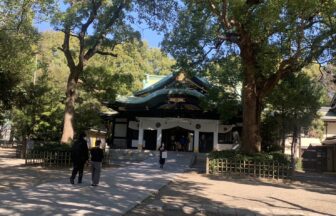
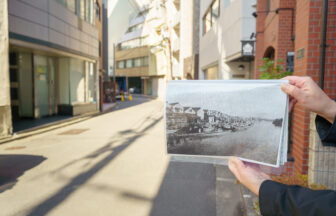
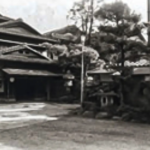
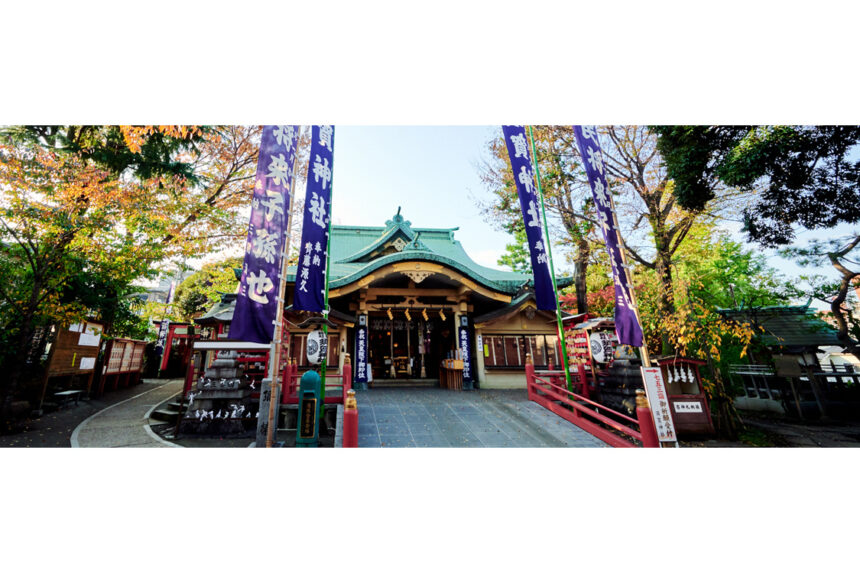
It is the chief Shinto shrine of Yotsuya, Tokyo. Originally an Inari shrine located in Akasaka, the shrine was moved to its present location in 1634 for the construction of the outer moat of Edo Castle. In 1868, the shrine was renamed Suga Shrine. The name “Suga” is a reference to the legend of when Susano-no-mikoto established his palace in Izumo Province. The Yotsuya Tori-no-ichi (rooster market) held every November on Tori-no-hi (rooster day) is crowded with visitors seeking the kaiun kumade-mamori (lucky rake charm) awarded at the annual Otori-jinja Festival. The last scene of the hit animated movie “Kimi no na wa. The approach to Suga Shrine was the model for the last scene in the hit animated film “Kimi no na wa.
Spot OutlineOutline
| address (e.g. of house) | 5 Sugamachi, Shinjuku-ku, Tokyo |
|---|---|
| Access | 10 minutes from JR and subway Yotsuya Station, 10 minutes from JR Shinanomachi Station, 7 minutes from subway Yotsuya-Sanchome Station |
| phone | 03-3351-7023 |
| Business Hours | nashi (Pyrus pyrifolia, esp. var. culta) |
| regular closing day | |
| External Links | |
| Founding and opening of business | 1634 (Kan’ei 11) |