How is doburoku made? Words related to sake

Sake & Tea

How is doburoku made? Words related to sake(doburoku)

Japanese rice wine

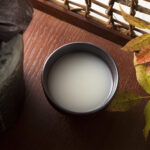
Sake made by fermenting rice, rice malt, and water without straining the moromi. It is also called nigorizake, muddy sake, white horse, or moromi sake. Strictly speaking, however, doburoku and muddy sake are classified differently under the Sake Brewing Law. According to Article 3, Item 7 of the Sake Tax Law, sake must be made by fermenting rice, rice malt, and water, and must be strained. However, doburoku is classified under the Sake Tax Law as “miscellaneous sake,” not sake, because it does not undergo the “rubbing” process in the brewing process. Nigori-shu, on the other hand, is rubbed through a coarse sake bag and is classified as sake. In the old days, sake was offered as “sacred sake to the gods” at occasions to pray for a good harvest or to give thanks for the harvest. This custom is still practiced today at shrines throughout Japan. In the past, sake used to be made by each household, but the Sake Brewing Law prohibits the unauthorized brewing of sake.
新着・おすすめ情報

  1. sake made without added alcohol or sugar

  2. What are the roles of the “three courtesans”? What do each of them bring with them?

  3. Manners for visiting shrines and temples: money offering, how to pray, how to get a red seal, etc.

  4. kasuri

  5. soba cup

  6. Tokyo Literature Walk] No. 1: Walking around Asakusa, a treasure house of modern literature

  7. Suzuki Ruins Museum

  8. Improving operations is the only way to face customers. What Ginza Mikawaya, a long-established Western-style restaurant in Ginza, values

  9. sweet burdock and miso-bean paste covered with a thin layer of mochi

  10. Selecting the best materials for each application and finishing them with craftsmanship: the pride of the long-established “Edoya”, which has been in business for 300 years, in the creation of brushes and bristle brushes.

  11. The soul of the craftsman resides in the old-fashioned production method. The long-established comb shop “Juso Yakushi Ten” that produces the one and only boxwood comb.

  12. Tomioka Hachimangu Shrine

  13. Okunitama Shrine (Fuchu, Tokyo)

  14. What is “Yanagawa Hot Pot”?

  15. Eitaro Fuhonshop located at the foot of Nihonbashi Bridge. Traditional techniques and a desire to “create new wagashi