

temple (Buddhist)Ikebukuro/Akabane
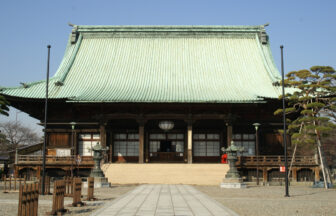
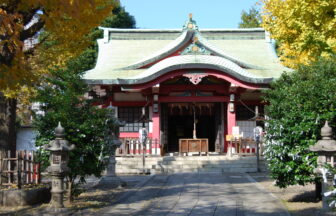
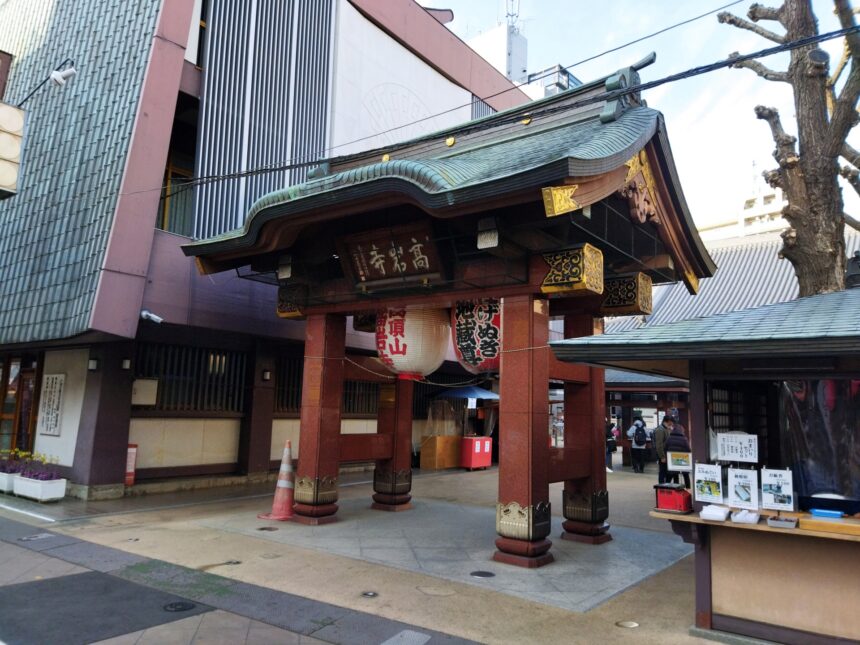
Togenuki Jizoson Takaiwanji Temple (Sugamo, Tokyo)(Togenuki Jizoson Kogan-ji Temple)
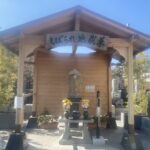
Togenuki Jizoson in Sugamo is the principal image of Banchozan Koganji Temple, a Soto sect temple. Togenuki Jizoson” is not a Buddhist statue, but a small (less than 3 cm in length), life-enhancing bodhisattva called “Rei-in,” and the “omikage,” a Japanese paper tag with its image, is also beneficial as the alter ego and spirit of the main image. In the Edo period (1603-1867), a woman who suffered from swallowing a needle by mistake was given an ogage, and the needle stuck into the ogage and came out, which is the origin of the word “togenuki. Many people come to the temple to receive the Mikage in the main hall and carry it with them, and place it like a sticker on painful places on their bodies, clothing, and personal belongings to have their worries, suffering, illness, and injuries removed as “thorns”.
Spot OutlineOutline
| address (e.g. of house) | 3-35-2, Sugamo, Toshima-ku, Tokyo |
|---|---|
| Access | 5 min. from JR and Subway Sugamo Sta. |
| phone | 03-3917-8221 |
| Business Hours | The main hall opens at 6:00-17:00 (open until 20:00 on the 4th, 14th, and 24th of each month; the temple grounds are open to visitors 24 hours a day) |
| External Links | |
| Founding and opening of business | 1596 |