

Shinjuku Suehirotei (Shinjuku, Tokyo)(Shinjuku Suehirotei)
Local Cultural Propertiesentertainment hall (for rakugo, manzai, magic, music, etc.)walkrakugostrolling on the street
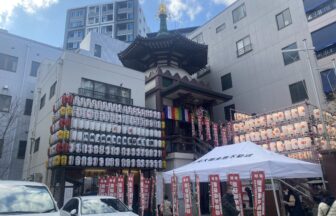
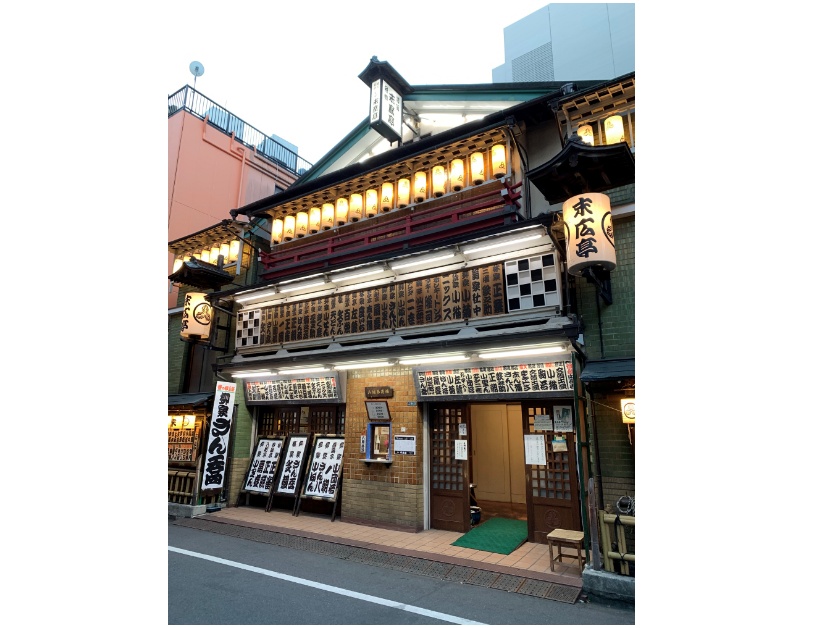
One of the four rakugo theaters in Tokyo, its predecessor, founded in 1897, was destroyed by fire during the war, but was reconstructed at its current location after the war using lumber from all over Japan. It is the only wooden building in Tokyo that is the oldest yose theater in Japan with a pier, and has been designated by Shinjuku City as the first local cultural asset because it retains the atmosphere of the Edo period. Today, the Rakugo Association and the Rakugo Art Association continue to hold performances on 10 days each in rotation, and on the 31st day of the month except December and the 29th day of the month, the theater is crowded with performances called Yoichi-kai, which are different from regular performances.
Spot OutlineOutline
| address (e.g. of house) | 3-6-12 Shinjuku, Shinjuku-ku, Tokyo |
|---|---|
| Access | 1 min. from Shinjuku-Sanchome Subway Sta. |
| phone | 03-3351-2974 |
| Business Hours | 12:00 – 16:15 (daytime), 16:45 – 20:30 (evening) (subject to change if different from regular performances) |
| External Links | |
| Founding and opening of business | 1946 (Showa 21) |