Why is the oak in “Kashiwa-mochi” said to symbolize the prosperity of descendants?

Japanese confectionery

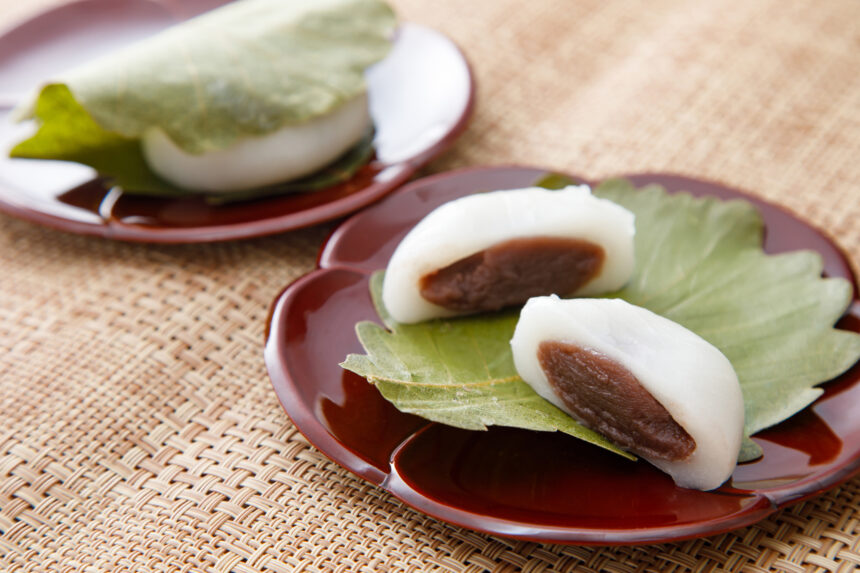
Why is the oak in “Kashiwa-mochi” said to symbolize the prosperity of descendants?(Kashiwamochi)

red bean pasteChildren’s Day (national holiday; May 5th)springBoy’s Day celebration (May 5th)

A Japanese confectionery made from rice flour, flattened into an oval shape, filled with azuki bean or miso bean paste, wrapped in an oak leaf and steamed. Chimakis are eaten on the same day, but chimakis are eaten mainly in the Kansai region, while kashiwa-mochi is eaten mainly in the Kanto region.
The oak tree has long been considered a sacred tree, and since the old leaves do not fall off until new shoots appear, it is considered a symbol of “prosperity of offspring” and spread mainly in Edo (Tokyo) as an auspicious food on Tango-no Sekku (May 5).

新着・おすすめ情報

  1. Former Main Building of the Ministry of Justice (Kasumigaseki, Tokyo)

  2. What is the difference between kaiseki ryori and kaiseki cuisine? Explanation of the origin and manners you should know!

  3. Zashiki banner” is a miniaturized version of the outer decorations for Boys’ Festival

  4. Nihonbashi Kuroeya deals in lacquerware from all over Japan. Protecting the goodwill through innovation, not single-mindedness.

  5. What is “Nishiki-Tamago”? What is the origin of its name?

  6. kasuri

  7. Akatsuka Fudo Falls (Takashimadaira, Tokyo)

  8. eel and cucumber salad, finely sliced, dressed in sake, soy, and vinegar

  9. Yuri Shikaku] Toraya’s Yokan, a must-have for a mountain snack. How to enjoy Japanese sweets that reflect the changing of the seasons

  10. What does “Tenko” mean? Explanation of the meaning of this doll

  11. Honmyoji Temple (Sugamo, Tokyo)

  12. Kamiya Bar, the oldest bar in Japan, well-known for its Denki Bran, and its innovations through the ages.

  13. arms

  14. Shukusen, a dyed kimono store for yukata and Edo komon. What is the pride and confidence in the words “Shukusen Kansei”?

  15. Meishu no Taki Park (Oji, Tokyo)