wheat starch

Japanese confectionery

wheat starch(NAMAFU)

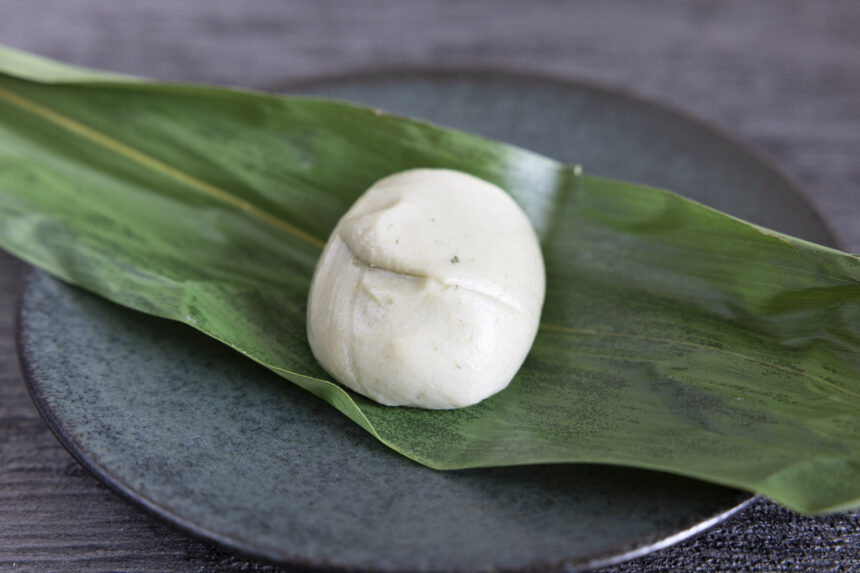
It is made by adding water to wheat flour and kneading it, then combining the gluten, the protein left after the starch is washed away with water, with glutinous flour and boiling or steaming it. The buns are then filled with a sweet bean paste called fu manju (see photo).
It is said that fu was introduced from China at the end of the Kamakura period (1185-1333) and used in vegetarian cooking, and became a valuable source of protein for Zen monks at that time, who were forbidden to eat meat. Later, it came to be used as a soup ingredient in kaiseki dishes served at tea ceremonies. Even today, it is used in stewed dishes or grilled and served with miso paste.

新着・おすすめ情報

  1. silk gauze

  2. Manners Related to Tea: How to Make and Serve Delicious Tea, and Manners for Receiving Tea

  3. Kabuto decorations for Dragon Boat Festival. Models of military commanders from the Warring States period are popular.

  4. vertical or granny knot

  5. dried confectionary

  6. Kawaramachi Inari Shrine (Kitasenju, Tokyo)

  7. Ruins of Suzugamori Penitentiary (Omori, Tokyo)

  8. kokeshi doll

  9. Yamamoto Nori Store, a long-established business with a 170-year history, has created an innovation that allows people to taste freshly baked laver.

  10. Musashi Ontake Shrine (Ome, Tokyo)

  11. refined Japanese sugar

  12. ratio indicating the quantity of polished rice gained from a given quantity of brown rice (nowadays usually expressed as a percent)

  13. Japanese sweets in the form of long blocks (e.g. yokan, uiro)

  14. Former Kusuo Yasuda Residence Garden (Sendagi, Tokyo)

  15. 吉原神社(東京・三ノ輪)