New Year’s decorations

Other Traditional & Japanese Culture

New Year’s decorations(shogatsukazari)

New Year

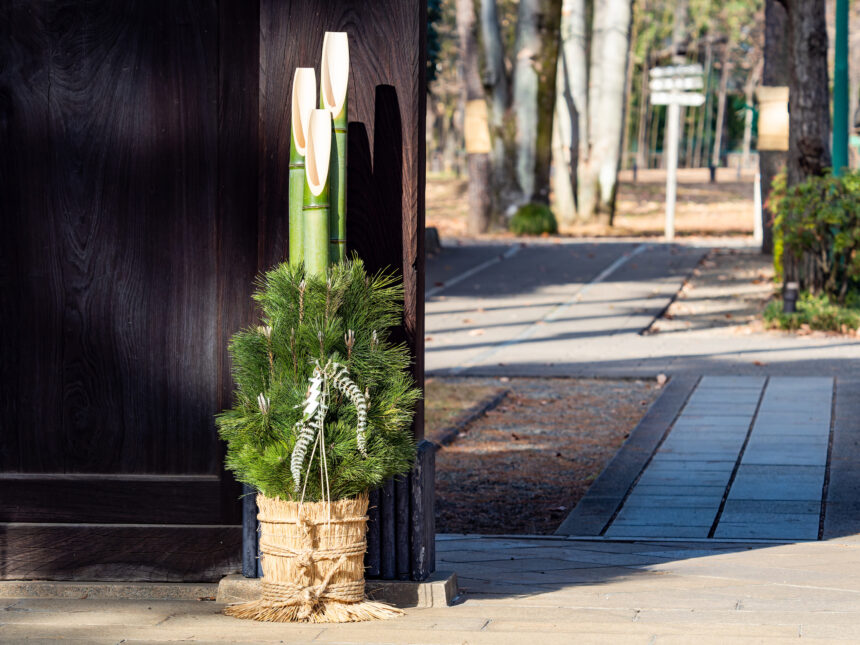
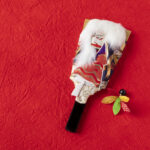
Decorations to welcome the god of the year at the beginning of the year to bring a bountiful harvest and happiness. Kadomatsu, shimenawa (sacred straw ropes), and rinne decorations are examples of such decorations. These decorations are also used to ward off evil spirits and wish for the child’s good health on the first day of the New Year. It was customary to present and decorate a hakkai for a boy’s first New Year’s gift and a hakoita for a girl’s. Decorations are usually begun in mid-December and put away by the following year’s koshogatsu (January 14-16), but some families keep the hakkai, hakkai arrow and hakoita displayed all year round to ward off evil and evil spirits.

新着・おすすめ情報

  1. We don’t stick to tsukudani alone. They are also introducing Western flavors and expanding their sales channels. The Challenge of Shimbashi Tamakiya

  2. Gotokuji Temple (Setagaya, Tokyo)

  3. gelidium jelly strips (made from agar-agar)

  4. Edo-Tokyo Open-Air Architectural Museum (Koganei, Tokyo)

  5. Shiobune Kannonji Temple (Ome, Tokyo)

  6. 京都でも最古の歴史を持つ「松井酒造」。日本酒づくりを軸に展開する、革新的な取り組み

  7. 【第7回】蕎麦に欠かせない薬味「葱」と「唐辛子」について

  8. mound containing a monument to Shomon (i.e. a place of scenic beauty)

  9. Ruins of Isamu Kondo’s birthplace (Chofu, Tokyo)

  10. ridges on a blade (sword, knife, etc.)

  11. Why is “Koinobori” carp? The reason is said to be based on Chinese folklore.

  12. Tomioka Hachimangu Shrine

  13. Sekiguchi Bashoan (Waseda, Tokyo)

  14. Otomeyama Park (Takadanobaba, Tokyo)

  15. Tokyo’s “Furyu Odori” is the talk of the town since it was selected as a UNESCO Intangible Cultural Heritage site! Tokyo’s “Furyu Odori” gathers in large numbers! Report on Tokyo Folk Performing Arts Festival