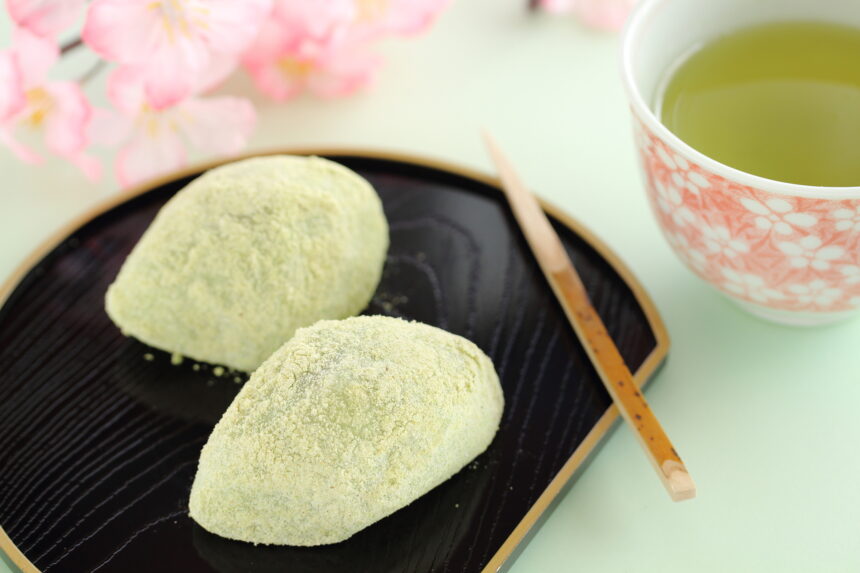
What is “Uguisumochi”? Which season is it?

Japanese confectionery

What is “Uguisumochi”? Which season is it?(Uguisumochi)

red bean pastesoy flourspring

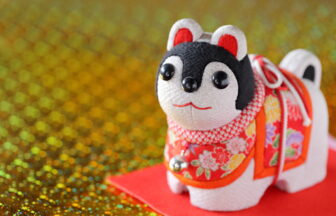
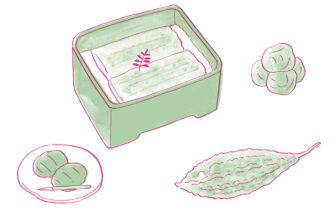
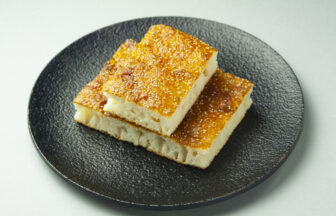
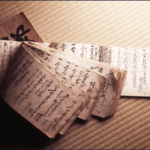
Mochi or gyuuhi (rice cake) filled with koshian (sweetened red bean paste), pointed at both ends, and covered with a light green kinako (soybean flour) called “ao kinako. As the name suggests, it is reminiscent of the shape and color of the wings of the Japanese bush warbler, a bird that heralds the arrival of spring. According to “Spider’s Thread Scroll,” an essay by Santo Kyozan, a late-Edo period playwright, “Uguisumochi” was widely popular as an early spring sweet along with sakura-mochi and others by the end of the Edo period.

新着・おすすめ情報

  1. Ryugenji Temple (Kameido, Tokyo)

  2. Kanto style and Kansai style (broiled eel)

  3. A Walk in Edo with Old Maps] No.4: Was the Yoshiwara brothel located in Ningyocho? A play by day, a brothel by night. A Journey to the Ruins of a Former Pleasure Spot

  4. 【第4回】「関東の蕎麦、関西のうどん」食べ方を見ればその人の出身地が分かる

  5. 麻布・赤坂・六本木

  6. Anyone can do it by themselves! Basic yukata dressing – men’s version

  7. part of the palace where important ceremonies were held

  8. What vegetables should not be used in “vegetarian cooking” without animal products?

  9. What is the story behind the “Edo fast food” that has been loved for 200 years? Komagata Dozeyu

  10. 【第14回】江戸蕎麦の流儀〜道具立て編〜

  11. Former Mikawashima sewage disposal pumping facility (Arakawa, Tokyo)

  12. The same manufacturing method since the establishment of the company. Interview with Satoru Nakamura, the 7th generation of Shirokiya Nakamura Denbei Shoten, who weaves Edo brooms using craftsmanship passed down from generation to generation .

  13. Points to keep in mind when going out on a rainy day. Handling of umbrellas, considerations on trains and visiting places, etc.

  14. Ruins of Kira Residence (Honjo Matsuzaka-cho Park)

  15. Shinobazunoike Pond Oratory, Kan-eiji Temple