Chidorigafuchi (fountainhead)

historic siteIidabashi/Kagurazaka

Chidorigafuchi (fountainhead)(Chidori-ga-fuchi)

cherry blossom viewingpicnictaking one’s children along (to an event, into a new marriage, etc.)walk

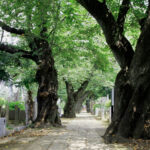
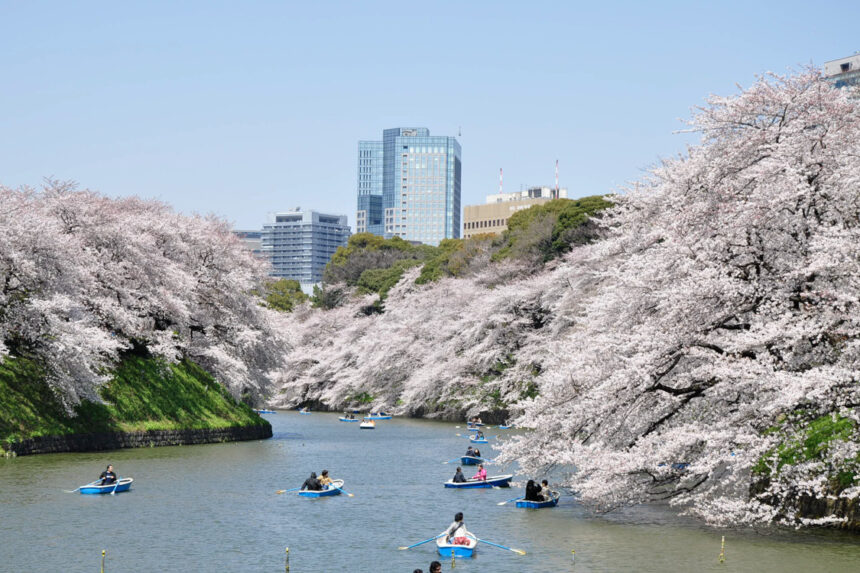
Chidorigafuchi is known as one of the best cherry blossom viewing spots in Tokyo. It is one of the moats of the Imperial Palace, and after the opening of Edo, it functioned as a dam to hold back the stream flowing from Kojimachi and to secure a source of water. It used to be connected to the adjacent Hanzo moat, but in 1900 it was reclaimed and divided into two parts. The origin of the name “Chidorigafuchi” is said to be due to the shape of the abyss, which is said to have been in the shape of a staggered bird, or because it was a gathering place for birds of the capital. In spring, about 260 cherry trees bloom along the banks, making it one of the best cherry blossom viewing spots in Tokyo. Chidorigafuchi Ryokudo, a 700-meter-long path along the moat and a boat launch are also available for visitors to enjoy the cherry blossoms up close.

Spot OutlineOutline

address (e.g. of house) 2 Sanbancho, Chiyoda-ku, Tokyo
Access 5 minutes from Kudanshita Subway Station, 5 minutes from Hanzomon Subway Station

phone nashi (Pyrus pyrifolia, esp. var. culta)
Business Hours all day
regular closing day without a holiday
External Links

Official Web Site

新着・おすすめ情報

  1. 徳丸北野神社(東京・板橋)

  2. Umezono, a long-established sweet shop in Asakusa. Brand is established through trust with customers and business partners.

  3. What is the origin of the term “chilled sake”? Words related to sake

  4. Imperial Palace

  5. (silk) crepe

  6. man’s formal divided skirt

  7. To make swords a part of our daily lives. The future of swords is the goal of Nihon Katana, a long-established sword specialty store.

  8. Nitta Shrine (Musashishinden, Tokyo)

  9. sweet yuzu-flavoured steamed dumpling

  10. What is the meaning behind the three colors of “Hishimochi”? Hina Doll Decorations

  11. Tokyo Station Hotel (Marunouchi, Tokyo)

  12. kasuri

  13. Zenkokuji Temple (Kagurazaka, Tokyo)

  14. When did “taru-shu” begin to be made? Words related to sake

  15. double-woven obi