

temple (Buddhist)Nihonbashi (bridge)
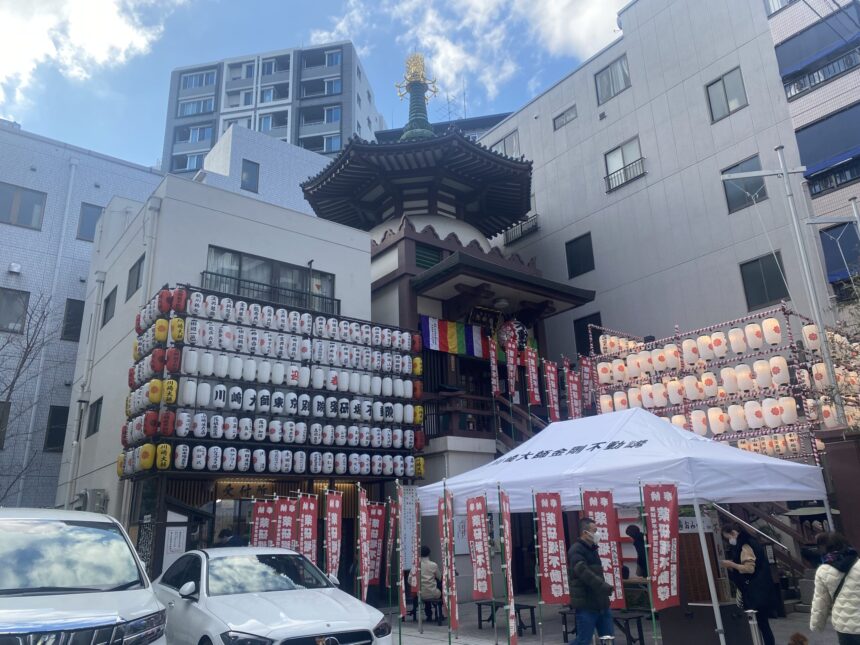
Yagenbori Fudoin (Nihonbashi, Tokyo)(Yagenbori-Fudoin)
ĀryācalanāthaKawasaki DaishiTokyo Betsuin
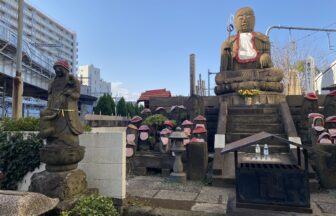
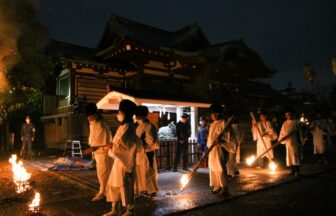
It is the Tokyo branch of Kawasaki Daishi, which has long been known as one of the three major fudo (Buddhist temples) in Edo along with Meguro and Mejiro. The main image of Fudo Myoo was enshrined at Negoroji Temple (Wakayama Prefecture) in ancient times, but when Hideyoshi Toyotomi’s forces invaded the temple in 1585, Daian Souzu, a priest of Negoroji Temple, went all the way down to protect the image from the fire of war, and it is said that the temple was built in 1591. In addition to the Satsuma Prayer, which involves the burning of gomagi wood to pray for good luck and to ward off evil spirits, the temple is also famous for its annual year-end market held in late December. On the 28th of every month, a fair and a dedicatory discourse are held.
Spot OutlineOutline
| address (e.g. of house) | 2-6-8 Higashi Nihonbashi, Chuo-ku, Tokyo |
|---|---|
| Access | 3 minutes walk from Higashi-Nihonbashi Subway Station, 5 minutes walk from Bakuro-Yokoyama Subway Station |
| phone | 03-3866-6220 |
| regular closing day | nashi (Pyrus pyrifolia, esp. var. culta) |
| External Links | |
| Founding and opening of business | 1591 (Tensho 19) |