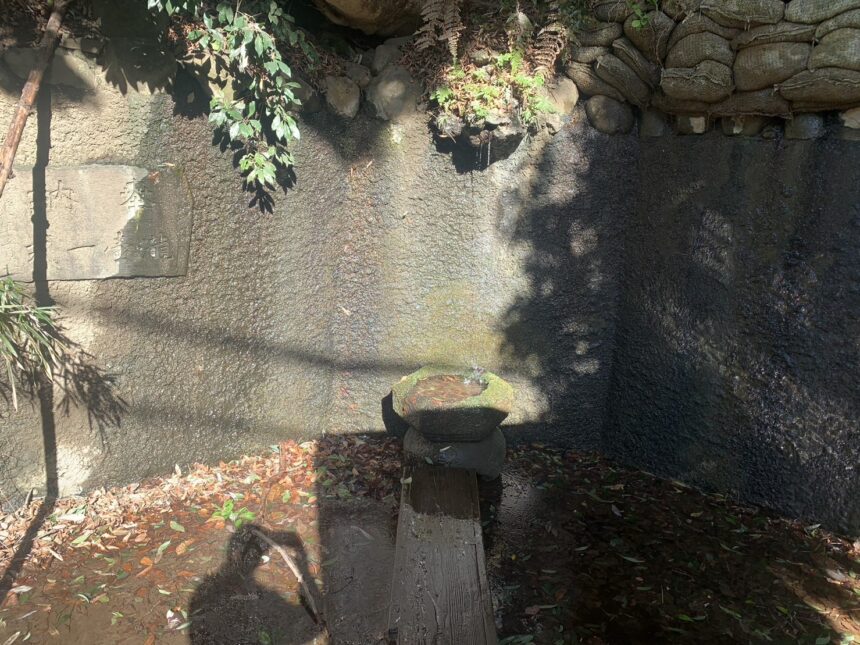
Akatsuka Fudo Falls (Takashimadaira, Tokyo)

Parks & Gardenshistoric siteIkebukuro/Akabane

Akatsuka Fudo Falls (Takashimadaira, Tokyo)(Akatsuka Fudo Fall)

Shugendoucultural property57 famous springs in Tokyowaterfall

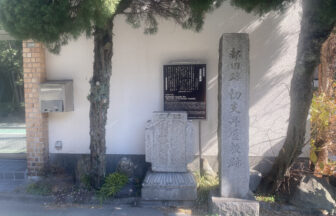
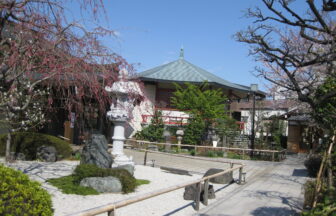
Akatsuka Fudo Falls, located in Itabashi Ward Fudo Falls Park, has been selected as one of the 57 best springs in Tokyo and was registered as a ward cultural asset in 2020. Two statues of Fudo Myoo are enshrined here, and it is said that the statues were enshrined by the Chiba family, lords of Akatsuka Castle, to pray for good fortune and protection of the land during their lifetime. In the middle of the Edo period (1603-1867), ascetic ascetics on their pilgrimages to Mt. In the old days, there was a purification hall in front of the waterfall basin, and the water never dried up. Although the amount of water has decreased, it is still gushing forth.

Spot OutlineOutline

address (e.g. of house) 8-11 Akatsuka, Itabashi-ku, Tokyo
Access Approximately 20 minutes walk from Shimoakatsuka Station and Narimasu Station on the Tobu Tojo Line

新着・おすすめ情報

  1. Kimuraya Sohonten, a long-established bakery that has inherited the beliefs of its predecessors and predecessors and continues to preserve its taste.

  2. Tokyo Literature Walk] No. 4: Cultural City of West Tokyo, from Seijo-Gakuen to Roka Koen

  3. sake specially produced without added alcohol or sugar

  4. Why do we need Bonbori? Decorating Hina Dolls

  5. The same manufacturing method since the establishment of the company. Interview with Satoru Nakamura, 7th generation owner of Shirokiya Nakamura Denbei Shoten, who weaves Edo brooms using craftsmanship passed down from generation to generation .

  6. Developing original materials with attention to detail, starting from the fabric. Shukusen, a long-established manufacturer of yukata loved by kabuki actors in the Edo period [Part 1

  7. How is doburoku made? Words related to sake

  8. Japanese yam (Dioscorea japonica)

  9. What is the origin of “May dolls” displayed on Dragon Boat Festival?

  10. Seiro soba (buckwheat noodles)

  11. oldest surviving traditional style of sake making

  12. Fukutoku Shrine Meibuki Inari (Nihonbashi, Tokyo)

  13. What is the origin of the term “chilled sake”? Words related to sake

  14. Umezono, a long-established sweet shop in Asakusa. Brand is established through trust with customers and business partners.

  15. Hie Shrine (in Kyoto)