various

Sake & Tea

(artistic portrait of a) lion(morohaku)

Japanese rice wine

A method of sake production in which white rice is used for both koji and kakemai. It is said that Nanto Morohaku was invented at Kofukuji Temple in Nara during the Muromachi period (1333-1573). Until the Edo period (1603-1867), katashira, a cloudy sake in which only the koji rice was polished, was the mainstream, and morohaku was considered the superior type of sake. Morohaku spread during the Edo period, and Itami Morohaku was established as a production method in present-day Itami City, Hyogo Prefecture. Itami City became famous as a representative production center of high-grade sake.

新着・おすすめ情報

  1. What to do on the far shore for ancestor memorial services? What to wear, what to bring, and what to do on the day of visitation.

  2. We don’t stick to tsukudani alone. They are also introducing Western flavors and expanding their sales channels. The Challenge of Shimbashi Tamakiya

  3. Yuri Shikaku] Toraya’s Yokan, a must-have for a mountain snack. How to enjoy Japanese sweets that reflect the changing of the seasons

  4. Edo-Tokyo Open-Air Architectural Museum (Koganei, Tokyo)

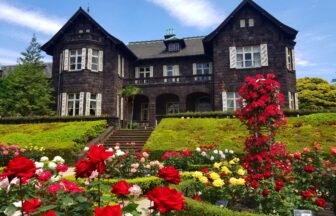
  5. Old Furukawa Garden (Komagome, Tokyo)

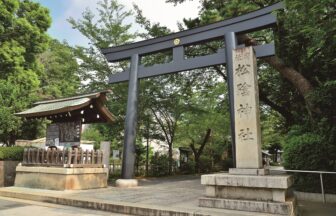
  6. Katori Shrine, Kameido, Tokyo

  7. Honmyoji Temple (Sugamo, Tokyo)

  8. A Walk in Edo with Old Maps] No. 2: Kyobashi and Ginza from the Edo Period to the Heisei Era Traced by Rivers

  9. What is the origin of the name “Kintsuba”? How is it written in kanji?

  10. Changing flavors and characteristics from generation to generation: the management strategy of the long-established “Tokiwando Thunder Stirrers’ Okoshi Honpo,” founded in 1816.

  11. Pushing aside the opposition of employees? The importance of reform, as seen by the long-established “Tokiwa-do Thunder Stirrers”.

  12. Sekiguchi Bashoan (Waseda, Tokyo)

  13. Nihonbashi (bridge)

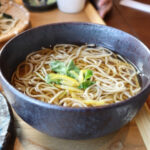
  14. What does “Sarashina (soba)” mean and where did it originate?

  15. gelidium jelly strips (made from agar-agar)