What is “Yanagawa Hot Pot”?

Eel, eel, conger eel, and doze eel

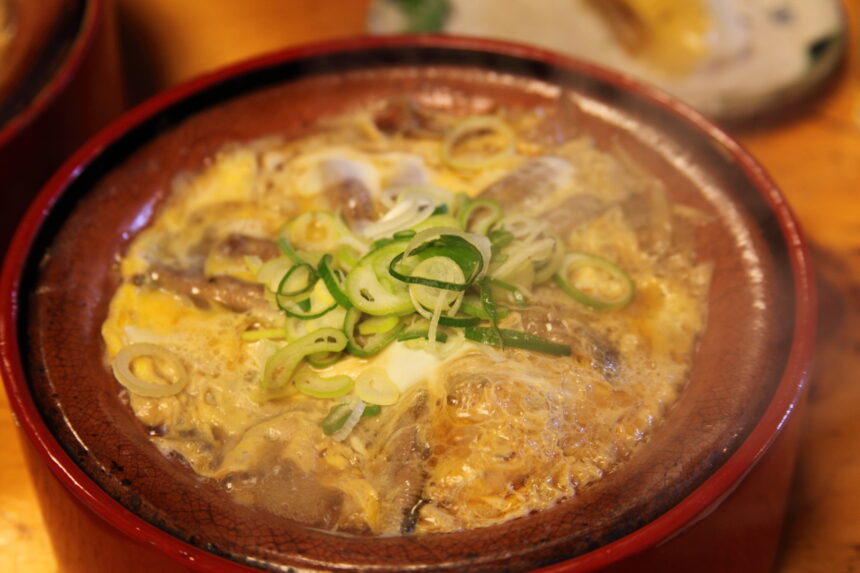
What is “Yanagawa Hot Pot”?(yanagawanabe/yanagawanabe)

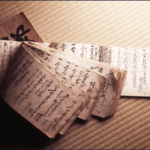
weather loach (Misgurnus anguillicaudatus)Manuscript of Morisada Manuscriptsold name of Tokyopot

In a shallow earthenware pot, lay out a layer of burdock root, arrange the loach in a radial pattern, add broth seasoned with soy sauce, sake, sugar, etc., simmer well, and cover with an egg. The loach is cut open back to back and the bones and head are removed. According to “Morisada Manuscript,” a book on customs and culture in the late Edo period (1603-1868), the name “dojo” is thought to have come from “Yanagawa,” the trade name of a store that began selling this dish in the Higashi Nihonbashi area of present-day Tokyo during the Tenpo period (1830-1844). Another theory is that the name was derived from the earthenware pots used, which were fired in kilns in the Yanagawa area of Kyushu.
新着・おすすめ情報

  1. Eagle Shrine

  2. Gansenen Park (Waseda, Tokyo)

  3. scabbard

  4. Ruins of Ooka Echizenmamori Tadasada’s villa

  5. What is kaiseki ryori? What is the difference between kaiseki ryori and kaiseki cuisine, and which is eaten at a tea ceremony?

  6. Customer information is written down in a notebook and shared with all staff. Ginza Mikawaya’s commitment to hospitality

  7. Itsukaichi Constitution Draft Monument (Akiruno, Tokyo)

  8. type of buckwheat noodles

  9. light crimson (dye)

  10. Old Furukawa Garden (Komagome, Tokyo)

  11. Matsui Sake Brewery once closed. A closer look at the creative sake brewing process at the revived brewery.

  12. pongee (soft thin cloth woven from raw silk)

  13. What is “Uguisumochi”? Which season is it?

  14. Developing original materials with attention to detail, starting from the fabric. Shukusen, a long-established yukata manufacturer loved by kabuki actors in the Edo period [Part 2

  15. Philosophical Hall Park (Araiyakushi, Tokyo)