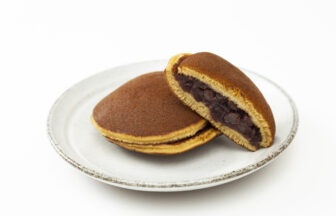
Before the Edo period, “Dedication confectionery” was a top-quality confectionery made with white sugar.

Japanese confectionery

Before the Edo period, “Dedication confectionery” was a type of confectionery made with white sugar.(Kenzyougashi/kenzyougashi)

A confectionery presented to the imperial family or court family. In the old days, white sugar was a precious commodity that could only be used by nobles, and after the arrival of sugar in the Muromachi period (1333-1573), it was used to refer to confections made with white sugar. Since the Meiji period (1868-1912), the term has come to refer to local confections selected by the Emperor as he traveled to various parts of Japan. All confections, including those made with azuki beans and wasanbon, are made in Japan and have an elegant and delicate appearance.

新着・おすすめ情報

  1. steamed fish-paste cake, sliced to decorate soup (type of kamaboko)

  2. Shirokiya Denbei, a long-established shop of all-natural, 99% handmade Edo-style brooms. Why has the tradition been preserved for nearly 200 years?

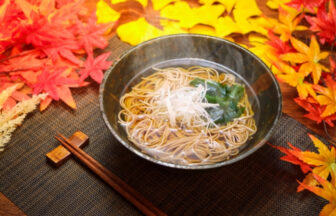
  3. The ninth generation of a long-established soba restaurant teaches how to boil and taste truly delicious soba noodles

  4. swallowing a great amount of tea or medicine

  5. Note that the contents of “soup” differ between kaiseki and kaiseki cuisine.

  6. The 2nd “Sake Samurai”s Tour of Tokyo’s Long-established Sake Breweries with Yuki Aoi

  7. Jiyu Gakuen Asutumu-kan (Ikebukuro, Tokyo)

  8. Nezu Shrine (Nezu, Tokyo)

  9. Setagaya Joshi Park (Setagaya, Tokyo)

  10. Enmeiji Temple, Jizo (a jizo that cuts off the head) / Kozukabara Penitentiary Site (Minami-Senju, Tokyo)

  11. Okunitama Shrine (Fuchu, Tokyo)

  12. Musashi Ontake Shrine (Ome, Tokyo)

  13. Eitaro Fuhonshop located at the foot of Nihonbashi Bridge. Traditional techniques and a desire to “create new wagashi

  14. soba cup

  15. Oiwa Inari Tamiya Shrine